
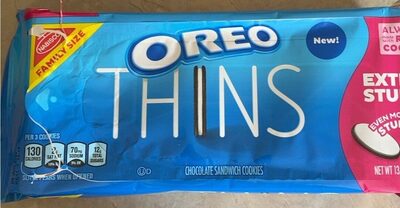
Is Thin oreos Halal?
Yes, Thin Oreos are generally considered Halal. Based on the ingredient list provided by the manufacturer, there are no animal-derived ingredients, such as lard or gelatin, and no alcohol used in the flavorings. This makes them a suitable option for those following a Halal diet, provided you check for cross-contamination warnings.
The Ingredient Breakdown
When determining if a packaged snack is Halal, we look for specific red flags: animal fats, alcohol-based flavorings, and non-Halal certified emulsifiers. Let's look at the core components of Thin Oreos.
The base of the cookie consists of Unbleached Enriched Flour (wheat) and Sugar. Both are plant-based and inherently Halal. The fat source is a blend of Palm Oil, Soybean Oil, and Canola Oil. Unlike some older cookie recipes that use lard (pork fat), these oils are vegetable-based, which is a major green flag for Halal compliance.
The chocolate flavor comes from Cocoa processed with Alkali. This process, known as dutching, uses an alkali solution to neutralize the acidity of the cocoa. While the word "alkali" might sound chemical, the substance used is typically potassium carbonate or sodium carbonate, which are inorganic salts and not alcohol. Therefore, it is permissible.
Finally, the emulsifier used is Soy Lecithin. Lecithin is a fat found in plants. While it can sometimes be derived from eggs, the ingredient list specifies Soy, making it a plant-based emulsifier. The Artificial Flavor is the only vague term, but in the US market, Oreo flavorings do not typically contain alcohol as a solvent.
Nutritional Value
While Thin Oreos pass the Halal test, they are still a treat designed for taste rather than health. A standard serving contains a significant amount of Sugar and High Fructose Corn Syrup, which contributes to the calorie count without providing satiety. The fat content comes primarily from Palm Oil, which is a saturated fat. While saturated fats are necessary for the body, the amount in processed cookies should be monitored. For those managing their weight or blood sugar levels, these cookies should be consumed in moderation. They fit into a diet as an occasional indulgence rather than a daily staple.
Frequently Asked Questions
Does Thin oreos contain dairy or gluten?
Is Thin oreos good for weight loss?
Where can I buy Thin oreos?
Is Thin oreos safe for kids?

Pro Tip
Always double-check the label. Manufacturers change ingredients frequently without notice!