
Is Thin Spaghetti Kosher?
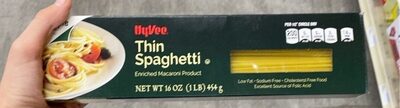
Yes, Thin Spaghetti is kosher. Based on the standard ingredients found in most major brands, this pasta contains no meat, dairy, or non-kosher additives, making it generally acceptable for a kosher diet. Let's dive into the specific ingredients and nutritional profile to understand exactly why this pantry staple passes the test.
The Ingredient Breakdown
When determining if a processed food is kosher, we look at the source of every ingredient and how it's processed. For standard Thin Spaghetti, the ingredient list is remarkably short and clean, which is great news for those keeping kosher.
The primary ingredient is Durum wheat semolina. Durum wheat is a wheat variety, and wheat is inherently kosher (pareve). However, for wheat to be considered strictly kosher for Passover, it must be monitored from harvest to ensure no contact with other grains or legumes. For year-round use, however, semolina is perfectly acceptable. The processing of pasta—mixing with water and drying—does not introduce any non-kosher elements.
The secondary ingredients are enriched vitamins: iron (ferrous sulfate) and B vitamins (niacin, thiamin mononitrate, riboflavin, folic acid). These are synthetic or mineral additives used to replace nutrients lost during processing. Ferrous sulfate is a mineral salt; niacin and the others are vitamins. None of these are derived from animal sources, meaning they are considered pareve (neutral). There are no hidden animal-based enzymes or glycerin here.
Finally, the absence of flavorings, colorings, or preservatives removes the most common sources of kosher violations (such as vanilla extract derived from non-kosher wine or red dyes derived from insects). Therefore, the verdict is a clear yes.
Nutritional Value
From a nutritional standpoint, Thin Spaghetti acts as a classic complex carbohydrate. A standard serving provides a significant amount of energy through calories derived almost entirely from carbohydrates (starch). Because it is made from refined semolina, it is lower in fiber than whole wheat varieties, but it is also lower in phytic acid, which can sometimes inhibit mineral absorption.
Regarding fat and sugar, plain dry thin spaghetti is virtually fat-free and contains no added sugars. This makes it an excellent base for a balanced meal, provided you pair it with a nutrient-dense sauce. The iron and B vitamins added during enrichment help support energy metabolism and red blood cell production. While it is calorie-dense, it fits well into most dietary limits when portion sizes are controlled.
Frequently Asked Questions
Does Thin Spaghetti contain dairy or gluten?
Is Thin Spaghetti good for weight loss?
Where can I buy Thin Spaghetti?
Is Thin Spaghetti safe for kids?
Pro Tip
Always double-check the label. Manufacturers change ingredients frequently without notice!