
Is Traditional Seitan Vegan?
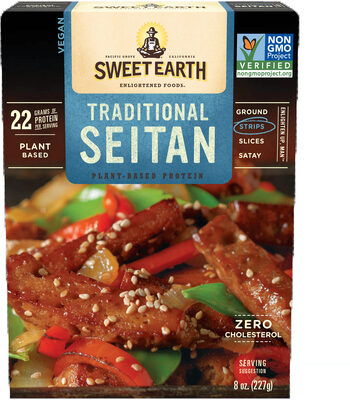
Yes, Traditional Seitan is completely vegan. This product relies on wheat gluten as its base, fortified with classic Asian seasonings like soy sauce, ginger, and garlic. There are no animal-derived ingredients or hidden processing agents used in this recipe.
The Ingredient Breakdown
When evaluating a meat substitute like Traditional Seitan, the primary concern is usually hidden animal products or flavor enhancers. Let's look at the specific components listed for this product.
The foundation of this seitan is WATER and VITAL WHEAT GLUTEN. Vital wheat gluten is the protein found in wheat. When hydrated and kneaded, it creates a chewy, meat-like texture. This is entirely plant-based and is the defining ingredient of seitan. It is important to note, however, that because it is derived from wheat, it is not suitable for those with Celiac disease or gluten intolerance.
For flavoring, the product uses NON-GMO NATURAL SOY SAUCE. The ingredients list confirms this is brewed from water, soybeans, wheat, and salt. Traditional soy sauce is naturally vegan. Some lower-quality brands might use bone char in the sugar or preservatives, but this specific inclusion appears clean. The addition of GINGER and GARLIC provides the aromatic punch expected in savory meat alternatives, and both are vegetables.
The final key ingredient is KOMBU. Kombu is a type of dried kelp (seaweed). It is strictly plant-based (marine vegetation). It is often used in vegan cooking to create a savory 'umami' flavor, mimicking the depth usually provided by meat stocks. Therefore, the entire ingredient profile is 100% plant-derived.
Nutritional Value
From a nutritional standpoint, Traditional Seitan serves as a high-protein, low-fat alternative to meat. Because the base is vital wheat gluten, the protein content is exceptionally high, making it a favorite among athletes and vegetarians looking to maintain muscle mass without consuming animal flesh.
Regarding calories and sugar, seitan is generally moderate. It is not a significant source of carbohydrates or sugar unless a sweetener has been added (which is not listed in the ingredients provided). It fits well into a whole-food, plant-based diet. However, because it is a processed isolate (wheat gluten), it should be balanced with whole vegetables and grains to ensure a complete amino acid profile and adequate fiber intake.
Frequently Asked Questions
Does Traditional Seitan contain dairy or gluten?
Is Traditional Seitan good for weight loss?
Where can I buy Traditional Seitan?
Is Traditional Seitan safe for kids?


Pro Tip
Always double-check the label. Manufacturers change ingredients frequently without notice!