
Is Tzatziki Cucumber Dressing Keto?
No, standard Tzatziki Cucumber Dressing is not considered keto-friendly. While it mimics the flavors of the traditional Greek dip, the commercial formulation relies heavily on added sugars and starches that can easily knock you out of ketosis. If you are following a strict ketogenic diet, this specific dressing is a hidden trap you should avoid.
The Ingredient Breakdown
As a food scientist, I look past the marketing claims and go straight to the formulation. Traditional tzatziki is a simple emulsion of yogurt, cucumber, garlic, and dill. However, this commercial Tzatziki Cucumber Dressing is a highly engineered product designed for shelf stability and cost reduction, and the ingredients reflect that.
The primary issue is the oil and water base. Instead of relying on the natural creaminess of yogurt, this dressing uses vegetable oil (soybean/canola) and water as the main structural components. To keep this mixture from separating, the manufacturer adds xanthan gum and polysorbate 60. While xanthan gum is generally acceptable in small amounts on keto, polysorbate 60 is an emulsifier that indicates a highly processed food product.
The most significant keto-violators are hidden in the flavorings. The ingredient list includes sugar explicitly, but also maltodextrin. Maltodextrin is a starch derivative often used as a thickener or filler. Despite sometimes having a lower glycemic index than sugar, maltodextrin is a carbohydrate that can spike blood glucose levels, which is exactly what the keto diet aims to prevent. It is often used to bulk up the 'natural yogurt flavor' powder without adding the cost of actual yogurt solids.
Finally, the preservation system is robust. Ingredients like sodium benzoate, potassium sorbate, and calcium disodium EDTA are included to prevent spoilage and oxidation of the oils. While these are FDA-approved, they signal a product that is far removed from the fresh, whole-food origins of authentic tzatziki.
Nutritional Value
From a nutritional standpoint, this dressing is problematic for the keto diet primarily due to carbohydrate content. A standard serving of this dressing typically contains 2 to 4 grams of net carbohydrates. While that number sounds low, it is high for a condiment that you might consume in quantities larger than a single tablespoon.
The 'sugar' listed in the ingredients contributes directly to the carb count. On keto, the daily limit is often 20 grams of net carbs; consuming a few tablespoons of this dressing could use up 10-20% of your daily allowance instantly, leaving little room for nutrient-dense vegetables or proteins.
Furthermore, the fat content is derived largely from soybean or canola oil. While keto is a high-fat diet, the quality of fat matters. These industrial seed oils are often highly processed and high in Omega-6 fatty acids, which can be pro-inflammatory. A truly healthy keto dressing would utilize fats from olive oil or avocado oil, not cheap vegetable oils. Therefore, this dressing fails on both the macro-nutrient balance and the ingredient quality front.
Frequently Asked Questions
Does Tzatziki Cucumber Dressing contain dairy or gluten?
Is Tzatziki Cucumber Dressing good for weight loss?
Where can I buy Tzatziki Cucumber Dressing?
Is Tzatziki Cucumber Dressing safe for kids?
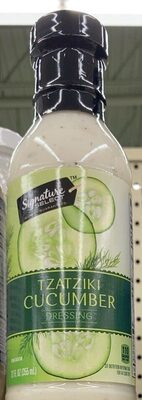
Tzatziki Cucumber Dressing
Keto Analysis
We recommend searching for certified Keto alternatives.
Pro Tip
Always double-check the label. Manufacturers change ingredients frequently without notice!