
Is Vegetable Halal?
Is Vegetable Halal? The direct answer is MAYBE. While the core ingredients like carrots, tomatoes, and corn are naturally halal, this specific product contains a 'natural flavor' and dried egg white, which requires further investigation to ensure compliance with Islamic dietary laws. This article breaks down exactly why this product is flagged and what you should look for.
The Ingredient Breakdown
When determining if a product like this vegetable medley is halal, we must look beyond the obvious produce. The base ingredients—water, tomato puree, carrots, celery, and corn—are all unequivocally halal. However, the complexity arises with the added flavorings and proteins.
The first flag is dried egg white. Eggs are generally halal, but in industrial food processing, there is a slight risk of fertilized eggs being used, though this is rare. The more significant concern for many halal consumers is the source of the natural flavor. Natural flavors are proprietary blends that can technically contain alcohol used as a solvent or trace amounts of animal derivatives to enhance the vegetable profile. Without a specific halal certification on the packaging, the exact source of this flavor remains unknown.
Additionally, ingredients like hydrolyzed corn protein and yeast extract are used to boost savory (umami) notes. While usually plant-derived, yeast extract can sometimes be processed with alcohol. Finally, modified food starch is typically corn-based and safe, but if it were derived from wheat, it would be a gluten concern rather than a halal one. Because of the ambiguity surrounding the 'natural flavor,' this product cannot be given a definitive 'Yes' without the manufacturer confirming the flavoring source is free from animal products and alcohol.
Nutritional Value
From a nutritional standpoint, this vegetable product is relatively balanced. It relies on water and tomato puree as a base, keeping the calorie count low. The inclusion of sugar and salt is standard for canned soups or vegetable mixes to preserve freshness and enhance taste, but those monitoring sodium intake should be aware that a single serving likely contains a moderate amount of sodium due to the tomato paste and salt.
The product provides a decent mix of carbohydrates from corn, potatoes, and pasta, and fiber from the variety of beans and vegetables. The potassium chloride acts as a salt substitute, which is a nice touch for heart health. Overall, it fits well into a standard diet, offering a convenient way to consume vegetables, though the added sugar and sodium keep it from being a 'superfood'.
Frequently Asked Questions
Does Vegetable contain dairy or gluten?
Is Vegetable good for weight loss?
Where can I buy Vegetable?
Is Vegetable safe for kids?
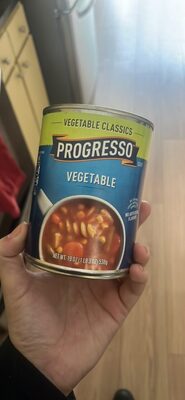
Vegetable
Halal Analysis
We recommend searching for certified Halal alternatives.
Pro Tip
Always double-check the label. Manufacturers change ingredients frequently without notice!