
Is Vitamin C 1000mg Gluten Free?
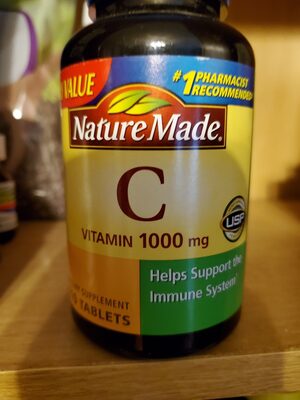
Yes, Vitamin C 1000mg is gluten-free. Based on a detailed analysis of its formulation, this supplement does not contain wheat, rye, barley, or any gluten-derived ingredients. It is a safe option for those managing celiac disease or gluten intolerance.
The Ingredient Breakdown
When evaluating any supplement for gluten content, we look beyond the active ingredient and focus on the "other ingredients" that form the tablet or capsule. For this Vitamin C 1000mg formulation, the ingredients list is composed of synthetic excipients and plant-derived fibers that are naturally free of gluten.
First, let's look at the structural components: Cellulose gel and Hypromellose. Cellulose gel is essentially purified plant cellulose (often from wood pulp or cotton). It acts as a binder to hold the tablet together. Hypromellose is a derivative of cellulose commonly used as a coating agent. Both are carbohydrate fibers that do not contain the gluten protein structure found in wheat.
The formulation also includes flow agents and lubricants: Magnesium stearate, Stearic acid, and Silicon dioxide. Magnesium stearate is a salt of stearic acid, which is typically derived from vegetable oils or animal fats. Stearic acid is a saturated fatty acid found in many foods. Silicon dioxide is a naturally occurring mineral used to prevent ingredients from sticking together. None of these are grains, meaning they are inherently gluten-free.
Finally, Polyethylene glycol (PEG) is often used as a binder or plasticizer in pharmaceuticals. It is a synthetic polymer, not a food product, and contains no gluten. While cross-contamination is always a theoretical risk in manufacturing, the absence of any grain-based ingredients significantly reduces this risk. The verdict remains that the formula itself is clean.
Nutritional Value
Vitamin C 1000mg is a high-potency supplement designed to boost immune function and collagen production. From a macronutrient perspective, this supplement is virtually free of calories, fat, and sugar. A standard tablet typically contains less than 5 calories, making it negligible in the context of a daily diet.
Because it lacks carbohydrates and sugars, it does not impact blood glucose levels significantly. This makes it suitable for individuals on ketogenic, low-carb, or diabetic diets. The primary nutritional value comes strictly from the 1000mg of Ascorbic Acid (Vitamin C), which is approximately 1111% of the Daily Value. It is a pure nutrient supplement rather than a food source.
Frequently Asked Questions
Does Vitamin C 1000mg contain dairy or gluten?
Is Vitamin C 1000mg good for weight loss?
Where can I buy Vitamin C 1000mg?
Is Vitamin C 1000mg safe for kids?
Pro Tip
Always double-check the label. Manufacturers change ingredients frequently without notice!