
Is Vitamin D Kosher?
The answer to whether Vitamin D is kosher is MAYBE. While the active ingredient, Vitamin D3, is generally considered kosher, the delivery method—specifically the gelatin capsule—requires careful scrutiny. This guide breaks down exactly which ingredients to watch for and how to ensure your supplement meets dietary laws.
The Ingredient Breakdown
When determining if a supplement is kosher, we must look beyond the vitamin itself and examine the inactive ingredients that hold it together. In the standard formulation of Vitamin D3 (cholecalciferol), the primary concern lies in the gelatin (bovine) used to create the softgel capsule.
Gelatin is a protein derived from animal collagen. For a gelatin capsule to be kosher, the animal source must be ritually slaughtered according to Jewish law. While the label specifies bovine (cow), this does not automatically guarantee it is kosher. The cow must have been slaughtered by a shochet and the meat must be free of specific defects. Without a reliable kosher certification symbol on the bottle, the bovine gelatin renders the product questionable.
The other ingredients listed—olive oil, glycerin, and water—are generally considered kosher. However, glycerin can sometimes be derived from animal fats or fermented soy, so strict kosher consumers look for certification to ensure it is vegetable-derived. The Vitamin D3 itself is typically sourced from lanolin (sheep's wool), which is generally considered kosher as it is not a food product and does not require slaughter, but the final certification depends on the processing facility.
Nutritional Value
From a nutritional standpoint, this specific Vitamin D formulation is quite clean. The primary carrier oil is olive oil, a staple of the Mediterranean diet known for heart-healthy monounsaturated fats. This is a superior choice compared to cheaper soybean or corn oils often found in generic supplements.
Regarding calories and macronutrients, softgels are negligible. You are typically looking at less than 5 calories per capsule, with less than 1 gram of fat. There is zero sugar and no carbohydrates, making this an excellent supplement for those on keto, diabetic, or low-calorie diets. It fits easily into any nutritional plan without impacting daily limits.
Frequently Asked Questions
Does Vitamin D contain dairy or gluten?
Is Vitamin D good for weight loss?
Where can I buy Vitamin D?
Is Vitamin D safe for kids?

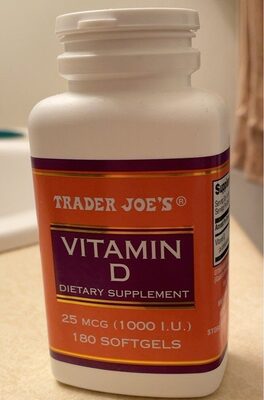
Vitamin D
Kosher Analysis
We recommend searching for certified Kosher alternatives.
Pro Tip
Always double-check the label. Manufacturers change ingredients frequently without notice!