
Is Vitamin D3 Halal?
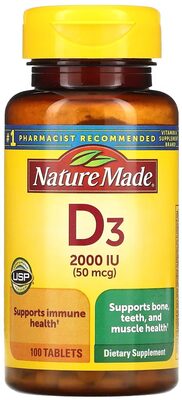
Based on the ingredient list provided, the answer is NO, Vitamin D3 is not considered halal. The primary reason is the inclusion of gelatin, a substance that frequently originates from pork or non-slaughtered animals. While the other ingredients like cellulose and maltodextrin are plant-derived, the presence of gelatin makes the supplement unsuitable for those adhering to strict halal dietary laws.
The Ingredient Breakdown
When evaluating a supplement for halal compliance, we must look beyond the active vitamin and scrutinize the excipients—the inactive ingredients that form the pill. In this specific formulation of Vitamin D3, the ingredients cellulose gel, maltodextrin, croscarmellose sodium, stearic acid, gelatin, and magnesium stearate are listed. The plant-based ingredients are generally safe; cellulose gel is derived from wood pulp and acts as a binder, while maltodextrin is usually sourced from corn or rice and serves as a filler. Croscarmellose sodium is a plant-derived disintegrant that helps the tablet break down in the stomach.
However, the formulation hits a major roadblock with gelatin. Gelatin is a protein obtained by boiling skin, tendons, ligaments, and/or bones with water. It is usually obtained from cows or pigs. In the pharmaceutical industry, gelatin is used to make the capsule that holds the ingredients or to coat the tablet. Without a specific halal certification on the bottle, you must assume the gelatin is either pork-based (strictly haram) or beef-based that was not slaughtered according to Islamic rites (also haram). Therefore, the presence of gelatin is the definitive factor that renders this Vitamin D3 non-halal.
Nutritional Value
From a nutritional standpoint, Vitamin D3 is a supplement, not a food source, so its caloric value is negligible. It does not contain significant amounts of sugar, fat, or carbohydrates that would impact weight management or daily caloric intake. The primary function of this pill is to deliver Vitamin D (cholecalciferol) to support bone health, immune function, and calcium absorption. Because the pill contains maltodextrin, there is a trace amount of carbohydrate, but it is so minimal that it fits easily into any diet, including keto or low-carb plans. The health benefits of correcting a Vitamin D deficiency usually outweigh the microscopic nutritional content of the pill itself. However, the health concern here is less about calories and more about the source of the ingredients.
Frequently Asked Questions
Does Vitamin D3 contain dairy or gluten?
Is Vitamin D3 good for weight loss?
Where can I buy Vitamin D3?
Is Vitamin D3 safe for kids?
Vitamin D3
Halal Analysis
We recommend searching for certified Halal alternatives.
Pro Tip
Always double-check the label. Manufacturers change ingredients frequently without notice!