
Is yogurt smoothie Keto?
No, a standard yogurt smoothie is not Keto-friendly. While they may seem like a healthy, fruit-based choice, these beverages are often loaded with hidden sugars and starches that can easily knock you out of ketosis. Let's break down exactly why this popular drink fails the keto test.
The Ingredient Breakdown
As a food scientist, I look past the marketing claims of "real fruit" and "live active cultures" to the actual composition of the product. When we analyze the ingredient list of a typical yogurt smoothie, several red flags immediately appear for anyone following a ketogenic diet.
The primary issue is the inclusion of SUGAR. Even though the product contains a high-intensity sweetener like STEVIA SWEETENER, manufacturers often add actual sugar to provide bulk and texture that artificial sweeteners cannot replicate alone. This added sugar contributes pure glucose, which spikes insulin and halts fat-burning.
Next, we see CORN STARCH-MODIFIED. This is a thickening agent derived from corn. While corn is a vegetable, its starch is a carbohydrate that converts almost entirely to glucose upon digestion. It is used here to give the smoothie a creamy, stable texture without adding expensive fruit solids or fat. For a keto dieter, this is a direct source of non-fiber carbs.
Perhaps the most deceptive ingredient is SOLUBLE CORN FIBER. While the word "fiber" sounds keto-friendly, soluble corn fiber is often a sweetener or bulking agent that can still impact blood sugar, albeit less than pure sugar. However, the real kicker is the presence of WHEAT BRAN and WHEAT GERM. These are added to boost the protein and fiber content marketing claims. Wheat is a grain and is strictly limited on keto due to its high carb content. Furthermore, the presence of PECTIN (a fruit-derived thickener) and WHEAT BRAN indicates a reliance on non-keto ingredients to achieve the desired consistency.
Nutritional Value
From a nutritional standpoint, the yogurt smoothie is a high-carbohydrate, low-fat beverage, which is the exact opposite of what a ketogenic diet requires. A standard serving typically contains between 18 to 25 grams of sugar per bottle. To stay in ketosis, most individuals aim to consume fewer than 20 to 30 grams of total carbs per day. Drinking just one of these smoothies would consume your entire daily carb allowance immediately.
Additionally, the fat content is negligible. The product uses LOW FAT MILK, meaning it lacks the healthy fats (like MCT oil or heavy cream) needed to fuel ketone production. The calorie count is usually moderate (around 150-180 calories), but these are "empty calories" from sugar and starch rather than nutrient-dense calories from fat and protein. It simply does not fit the macronutrient ratios required to maintain a state of nutritional ketosis.
Frequently Asked Questions
Does yogurt smoothie contain dairy or gluten?
Is yogurt smoothie good for weight loss?
Where can I buy yogurt smoothie?
Is yogurt smoothie safe for kids?


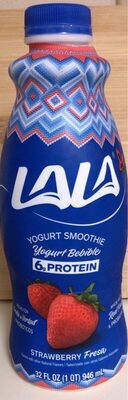
yogurt smoothie
Keto Analysis
We recommend searching for certified Keto alternatives.
Pro Tip
Always double-check the label. Manufacturers change ingredients frequently without notice!