Back to ArenaCAKEID.VERSUS
Mustard Showdown: A vs B
Brutal Head-to-Head

Mustard Showdown: A vs B

Two pantry staples go head-to-head: a sleek Dijon and a hearty Whole Grain mustard. With ingredients and nutrition data that pull in different directions, which one truly earns a place in your fridge and on your plate?

The Quick Verdict
"Based on ingredient quality and the absence of added sugar, Dijon wins on healthful simplicity, but Whole Grain offers a more robust flavor profile that can elevate dishes. The better balance depends on your priorities: lean ingredients and lower sugar versus bolder texture and taste."
Dijon (60%)Whole grain (40%)

Based on AI sentiment analysis

B
Contender A
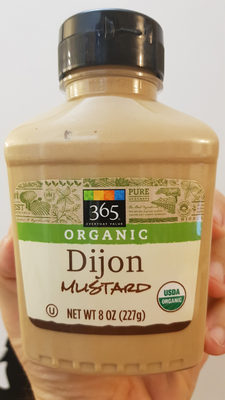
Dijon mustard

Dijon

Best For
Best for cooks seeking a clean-label, sugar-free mustard that can pair well with light proteins, salads, and dressings.
Health Watch
Main health concern: Moderate sodium from sea salt.
Watch out for:
See Deal

Chef's Hacks

  • Whisk Dijon into a light vinaigrette for salads to keep overall sugar low while adding bright acidity.
  • Use as a glaze for roasted vegetables to provide a clean, tangy flavor without overpowering the dish.
  • Stir into yogurt or sour cream to create a quick, low-sugar dipping sauce for vegetables or grilled meats.

Did You Know?

"Mustard seeds have been used as a medicinal spice for thousands of years, with records of mustard-based condiments dating back to ancient civilizations in the Mediterranean region."

The Showdown

Pros & Cons

Dijon

  • Organic ingredients are used (apple cider vinegar, mustard seed, spices) which supports a clean-label perception.
  • No added sugar in the ingredient list, aligning with sugar-conscious or low-sugar diets.
  • Versatile use in sauces, dressings, and marinades due to straightforward flavor profile.
  • Contains sea salt, which can contribute to sodium intake if consumed in large amounts or used liberally.
  • Lacks sweetness or depth that some dishes rely on for balance, potentially limiting flavor versatility in certain recipes.
  • Goes with a relatively classic mustard flavor, which may feel pedestrian in some culinary contexts.

Whole grain

  • Whole grain texture provides a rustic mouthfeel and visual appeal that can enhance dishes requiring more body.
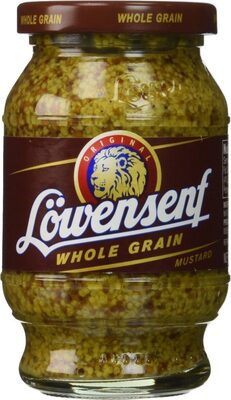
  • Presence of white wine (7%) and spices can deliver a more complex flavor during cooking and as a finishing condiment.
  • Sugar in the ingredient list offers a hint of sweetness that can balance tang and acidity in bold recipes.
  • Added sugar increases the total sugar content, which may be a drawback for those tracking sugar intake.
  • Wine/spirits-based components introduce alcohol-derived flavors that may not suit all palates or all recipes.
  • Nutrition data appears inconsistent or incomplete, complicating reliable macro comparisons.

Flavor Profile

Flavor & Texture

Dijon mustard presents a bright, sharp tang with a clean, crisp finish typical of streamlined Dijon forms. Its texture is smooth and homogeneous, allowing it to seamlessly emulsify into vinaigrettes and sauces without introducing grit or resistance. On the palate, it tends to deliver a quick, clean bite that lingers with a mildly pungent spiciness: precise and direct rather than lingering, which makes it ideal for quick flavor boosts in dressings, marinades, and glazes. In contrast, Whole Grain mustard brings a substantial mouthfeel due to visible seeds and grains. This creates a textured, bumpy sensation that can add interest to cold preparations like sandwiches or cheese boards and to warm dishes where texture matters as a textural counterpoint to creamy components. The flavor of Whole Grain is more rustic and robust, offering a blend of mild heat, peppery notes, and spiced warmth that can stand up to meat dishes, gravies, and mustard-based sauces. The aftertaste of Dijon tends to be brisk and clean, whereas Whole Grain leaves a lingering, nuanced peppery finish with a hint of sweetness from potential grain-toasted notes. Overall, Dijon scores high for versatility and seamless integration, while Whole Grain earns praise for its texture and depth, though its intensity can dominate delicate preparations if not used judiciously. The mouthfeel differences are substantial enough to affect dish composition, and both can play unique roles depending on recipe goals, whether you aim for a sharp precision or a textured, bold savor.

Ingredient Quality

Dijon’s ingredient list reads as a lean, organic-friendly formula: Organic apple cider vinegar, water, organic mustard seed, sea salt, and organic spices. This aligns with consumer preferences for clean labels and minimal processing, where the emphasis is on straightforward, recognizable ingredients. The organic designation for the vinegar and mustard seed adds a premium perception, potentially justifying a price premium for label-conscious buyers. Moreover, the absence of added sugars or artificial preservatives reinforces the claim of a purer product. On the other hand, Whole Grain mustard includes Spirit vinegar, mustard seed, white wine (7%), sugar, salt, and spices. The inclusion of sugar as well as wine introduces more complexity to the flavor profile but also adds calories and a detectable sweetness that can alter the balance in lighter dishes. The presence of spirit vinegar and wine means a higher acidity and potential alcohol-derived sensations, which can either enhance or clash with specific foods depending on the pairing. From a sustainability and nutritional transparency perspective, Dijon’s ingredient list offers fewer potential variables (no added sugar, no alcohol) that could complicate dietary targets or dietary restrictions. In contrast, Whole Grain’s ingredients provide more flavor-building components but at the cost of added sugar and alcoholic content, which may not align with all health goals. When evaluating ingredient quality, Dijon is the safer choice for those seeking minimal processing and sugar-free options, while Whole Grain mustard gives chefs more flavor-backing via texture and a touch of sweetness, which can be leveraged in more assertive culinary applications. It is important for consumers to consider whether they prioritize clean-label simplicity or a richer, more nuanced flavor and texture in their mustard of choice.

Nutritional Value

The nutrition data available for these products presents a challenging comparison due to incomplete and inconsistent entries. Dijon mustard shows zero values across several macro categories (calcium, carbohydrates, cholesterol, energy, etc.), which strongly suggests either missing data or a reporting error rather than indicating truly zero nutrition across the board. This makes it impractical to draw precise macro-level conclusions about sugar, protein, fiber, or sodium for Dijon from the provided numbers alone. In contrast, Whole Grain mustard presents a more concrete energy figure: energy-kcal values of 200 per 100g and 200 kcal per serving with an accompanying energy figure of 837 (units unclear, but likely kJ or another energy metric). It also lists fat as 0 g and fiber as 0 g, with partial carbohydrate data missing. These entries imply that, on a per-gram basis, Whole Grain mustard is energy-dense relative to Dijon, likely due to its added sugar and the presence of wine/spirits influencing caloric content. However, the lack of complete carbohydrate and fiber data for B complicates any final call on whether it is higher in satiety-promoting fiber or net-carbohydrate impact. Given the data gaps, a prudent conclusion is that Dijon offers a cleaner, low-visibility nutrient profile with minimal processing, while Whole Grain must be evaluated with caution due to incomplete nutrition data and the potential impact of added sugar and alcohol-related calories. If health priorities center on reducing added sugars and preserving a clean macro profile, Dijon appears preferable; if the goal is flavor complexity and a textured mouthfeel that can positively influence satiety in certain preparations, Whole Grain may be more appealing, provided portion sizes are controlled and sugar intake is monitored.

Value Verdict

From a value standpoint, Dijon offers a simpler ingredient list with lower sugar content and potentially fewer calories, making it more attractive for health-minded shoppers. Whole Grain provides depth and texture, which can justify a premium for cooks who prioritize flavor complexity in specialty recipes. Without price data, the value assessment favors Dijon for everyday use, while Whole Grain may be worth the extra cost in dishes where its texture and sweetness enhance the overall experience.

A Better Alternative?

Stone-ground mustard (as a naturally textured alternative with minimal processing and without added sugar).

If both A and B are disappointing, our experts recommend this healthier swap.

Make it a Meal

Try pairing the winner with Herb-roasted chicken with Dijon glaze

"The bright acidity of Dijon complements the herbaceous notes of roasted chicken, while the glaze provides a thin, appealing sheen that enhances moisture and flavor without overwhelming the dish."

Buy Herb-roasted chicken with Dijon glaze

Final Conclusion

In this Dijon versus Whole Grain mustard comparison, the battle hinges on what you value most in a condiment. Dijon offers a lean, clean-label option with no added sugar and organic ingredients, appealing to health-conscious consumers who want reliable performance across a range of dishes without adding extra sweetness or alcohol-derived flavors. Whole Grain mustard, conversely, delivers character through its textured mouthfeel and a more developed flavor profile, driven by the presence of sugar and wine-based components. This makes it a compelling choice for cooking that benefits from depth, complexity, and a rustic touch, especially in sandwiches, sauces, and meat dishes where a pronounced mustard presence is welcome. However, the nutrition data inconsistencies for Whole Grain and the higher sugar content pose questions for those tracking calories or sugar. For a pantry staple used daily in a wide array of recipes, Dijon is the safer, more versatile pick; for chef-level flavor goals and recipes that thrive on texture, Whole Grain can shine when used thoughtfully and in moderation. Ultimately, the decision should align with your dietary targets, cooking style, and taste preferences, recognizing that both products offer distinct advantages that can complement different culinary contexts.

Share the Verdict

Help your friends eat smarter.

Frequently Asked Questions

Is Dijon truly sugar-free based on the data?

Yes, based on the ingredient list provided, Dijon mustard contains Organic apple cider vinegar, water, organic mustard seed, sea salt, and organic spices, with no added sugar listed. However, always check the label in case of reformulations.

Which mustard is better for a low-sodium diet?

Dijon appears to be the lower-sodium option given its simple ingredient list, though exact sodium values are not provided. If sodium content is critical, verify the nutrition facts on the package for precise amounts.

C
Contender B
Whole grain mustard

Whole grain

Best For
Best for cooks who want a textured, bold mustard with more punch and a touch of sweetness to balance rich dishes.
Health Watch
Main health concern: Added sugar and alcohol content from wine, contributing to higher caloric and sugar load.
Watch out for:
See Deal

Chef's Hacks

  • Spread on a rustic sandwich with thin-sliced meats to exploit its robust texture and sweetness balance.
  • Deglaze a pan with Whole Grain mustard for a quick pan sauce that pairs well with chicken or pork.
  • Mix into a marinade for sausages or steak to introduce depth, spiciness, and a hint of sweetness.

Did You Know?

"Whole grain mustard contains intact mustard seeds, which can release different flavor compounds over time as the seeds absorb moisture, leading to evolving taste and texture in prepared dishes."