Back to ArenaCAKEID.VERSUS
Gatorlyte vs Gatorade Energy Bar
Brutal Head-to-Head

Gatorlyte vs Gatorade Energy Bar

Both Gatorlyte Rapid Rehydration and the Gatorade Energy Bar aim to replenish vital nutrients and energy. However, they serve distinct purposes that appeal to different fitness enthusiasts.

The Quick Verdict
"In terms of hydration and quick rehydration, Gatorlyte takes the lead, whereas the Gatorade Energy Bar excels in providing sustained energy. Ultimately, the choice depends on whether you need to hydrate or fuel your body."
Gatorlyte (40%)Gatorade Energy Bar (60%)

Based on AI sentiment analysis

B
Contender A
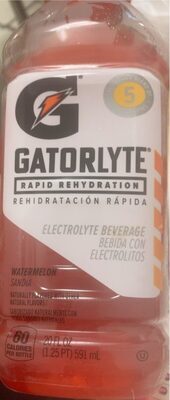
Gatorlyte Rapid Rehydration

Gatorlyte

Best For
Best for athletes or individuals engaging in high-intensity activities requiring immediate hydration because of its electrolyte balance.
Health Watch
High sodium content may be concerning for those monitoring their salt intake.
Watch out for:
See Deal

Chef's Hacks

  • Ideal for post-exercise recovery to quickly replenish fluids and electrolytes.
  • Perfect for hydration before or after outdoor activities like hiking.
  • A good choice during endurance sports like marathons or triathlons to replace lost fluids.

Did You Know?

"Electrolytes, such as sodium and potassium found in Gatorlyte, are essential for numerous bodily functions, including muscle contractions and nerve signaling."

The Showdown

Pros & Cons

Gatorlyte

  • Offers rapid hydration, which is crucial during or after intense workouts.
  • Lower in calories compared to conventional energy bars, making it a lighter choice.
  • Contains electrolytes for effective rehydration, vital for athletes.
  • Higher sodium content, which might not be suitable for individuals managing salt intake.
  • Contains artificial flavoring and stevia extract, which some consumers may wish to avoid.
  • Limited nutritional profile since it's primarily focused on hydration.

Gatorade Energy Bar

  • Rich in protein, providing a more balanced macronutrient profile for recovery.
  • Contains whole grains and natural ingredients, appealing to health-conscious consumers.
  • Higher energy content makes it suitable for prolonged activities.
  • Higher in sugars, which can lead to energy spikes and crashes.
  • The presence of various artificial components and sweeteners detracts from its health claims.
  • More calories than Gatorlyte, making it less ideal for light hydration.

Flavor Profile

Flavor & Texture

Gatorlyte offers a smooth, almost watery consistency that is immediately refreshing, ideal for quenching thirst during grueling workouts. The flavor is mild with a hint of sweetness from the added sugar, and the inclusion of citric acid gives it a slightly tart edge that balances well with the overall profile. The main taste note is a general sweetness without much complexity, catering to anyone seeking straightforward hydration. In contrast, the Gatorade Energy Bar has a chewy texture, augmented by the peanut butter and oats, providing a satisfying mouthfeel. The initial flavor experience melds the nuttiness of the peanut butter with subtle sweetness from corn syrup and added sugars, creating a rich and comforting palate. There's a lingering aftertaste from the sugar content, which some may find overly sweet. Overall, the taste and texture serve well to fulfill their specific roles—hydration or sustained energy—while being enjoyable in their distinct ways.

Ingredient Quality

Gatorlyte's ingredient list features a combination of basic hydration components, primarily water, sugar, and electrolytes that generally function in replenishing lost fluids. However, the presence of additives like citric acid and natural flavors raises questions regarding the desired healthiness, as they often mask the inherent taste of the drink while providing limited benefits. The most notable concern is the inclusion of artificial components such as modified food starch and glycerol esters, which, while functional, aren't deemed necessary for a rehydration product. On the other hand, the Gatorade Energy Bar showcases a diverse array of ingredients emphasizing whole grains and protein. The use of whole grain rolled oats and whey protein crisp reflects a commitment to providing nutritious options. However, the inclusion of corn syrup, numerous sugars, and artificial flavors detracts from an otherwise wholesome approach. Additionally, the bar contains fats from palm and natural peanut butter, which, while calorically dense, contribute to the mixed health perceptions. Both products have positive and negative components within their ingredient lists, yet Gatorade Energy Bar stands out with a more substantial nutritional offering.

Nutritional Value

When analyzing the nutritional aspects of Gatorlyte and the Gatorade Energy Bar, it’s clear that they serve different purposes, impacting their overall health benefits. Gatorlyte delivers 60 calories per serving, with 14g of carbohydrates and a significant sodium content of 490mg, designed mostly for rehydration rather than sustenance. This electrolyte balance is critical during intense workouts, but high sodium may pose risks for those needing to moderate their intake. Comparatively, the Gatorade Energy Bar serves up a hefty 231 calories, with nearly double the carbohydrate count at around 38g, which includes sugars that can provide quick energy spikes. What stands out is its noteworthy protein content, beneficial for recovery post-exercise, but it also comes with an increased sugar load. Ultimately, for quick hydration, Gatorlyte is a better choice, while the Gatorade Energy Bar is more suitable if energy and nutrition during extended physical activity are the goals.

Value Verdict

Considering the costs of both products, Gatorate Energy Bar offers more nutritional density and sustained energy due to its protein content and variety of ingredients, making it a worthwhile investment for serious athletes. Conversely, Gatorlyte serves its purpose as a hydration component, but its lower calorie count and functionality make it less valuable for those seeking a comprehensive snack or full meal replacement.

A Better Alternative?

Coconut water offers natural electrolytes and hydration without added sugars or artificial ingredients, making it a healthier choice for hydration.

If both A and B are disappointing, our experts recommend this healthier swap.

Make it a Meal

Try pairing the winner with A banana

"Bananas are a great pairing due to their natural carbohydrates, potassium, and mild sweetness, complementing the rehydration effects of Gatorlyte while providing energy pre/post-exercise."

Buy A banana

Final Conclusion

In this nutritional battle, while Gatorlyte proves admirable for rapid hydration, especially suited for high-intensity athletes in need of quick electrolyte replenishment, it falls short concerning overall nutrition and values. The Gatorade Energy Bar emerges as a more well-rounded option, offering protein and a heartier snack that helps fuel endurance and recovery in one compact bite. Ultimately, while each product can fit into a fitness regimen uniquely, individuals should consider their specific needs—hydration or fueling—before making a choice. Gatorlyte is ideal for quick hydration bursts, whereas the Gatorade Energy Bar stands out as a better overall value for those desiring added nutrition.

Share the Verdict

Help your friends eat smarter.

Frequently Asked Questions

Can I use Gatorlyte instead of water?

Gatorlyte is designed for rehydration during or after intense activities and should not fully replace standard water intake for everyday hydration.

Is the Gatorade Energy Bar suitable for weight loss?

While the Gatorade Energy Bar can be part of a weight-loss plan, its sugar content should be monitored, and it is best suited for those needing energy or protein within their diet.

A
Contender B
GATORADE ENERGY BAR PEANUT BUTTER 2.1 oz

Gatorade Energy Bar

Best For
Best for individuals looking for a convenient, protein-rich snack to fuel their workouts or busy lifestyles.
Health Watch
High sugar levels can lead to quick energy spikes followed by crashes, affecting performance.
Watch out for:
See Deal

Chef's Hacks

  • Great as a pre-workout snack for a quick energy boost without a heavy meal.
  • A convenient option for a post-workout recovery snack due to its protein content.
  • Can be utilized as a portable on-the-go option for busy days.

Did You Know?

"The history of energy bars can be traced back to early 20th century, with athletes looking for compact sources of nutrition during training and competition."