
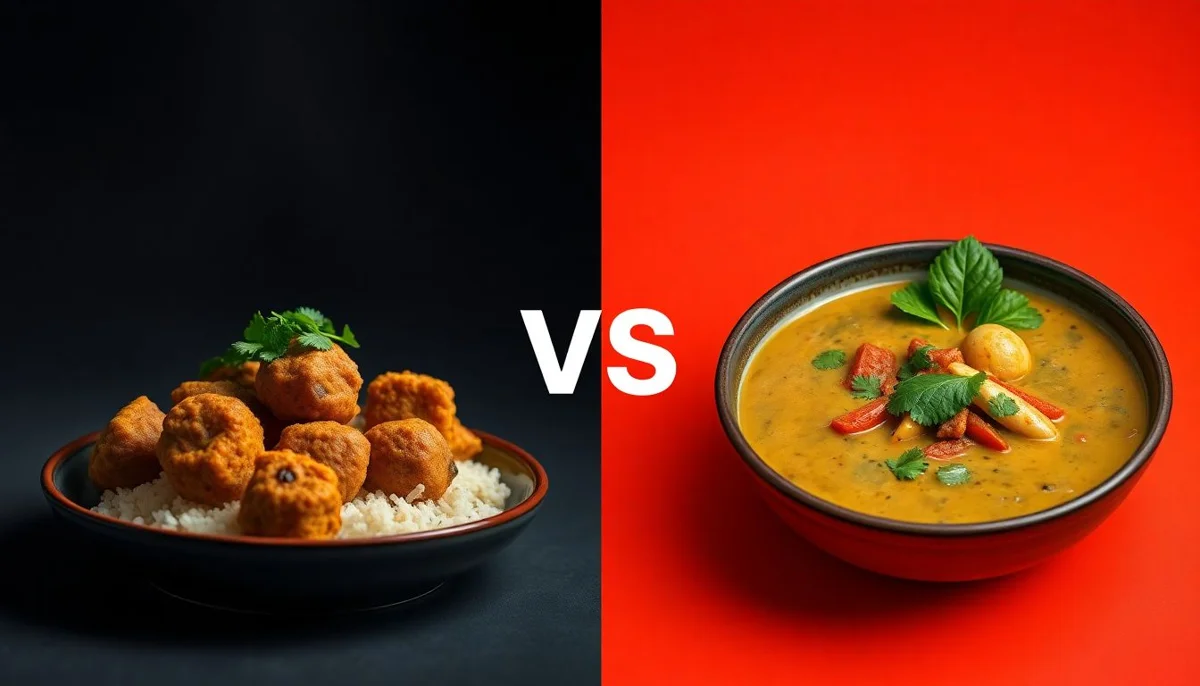
Kofta Mix vs Thai Green Curry
One is a concentrated spice blend built for layering savory, warm flavors; the other is a ready-to-eat composed meal that delivers coconut creaminess, vegetables and jasmine rice. Choosing between them depends on whether you want seasoning versatility or a complete, convenience-focused dinner.
Based on AI sentiment analysis
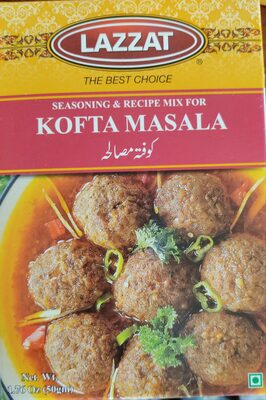
Kofta Masala
Chef's Hacks
- As a wet kofta marinade: mix the kofta masala with minced meat or mashed chickpeas, an egg or binder, and a tablespoon of oil to make spiced meatballs or vegetarian koftas that you can pan-roast or bake.
- Spiced yogurt dip: fold the kofta masala into plain yogurt with a squeeze of lemon to create a quick raita-style sauce that brightens grilled vegetables, kebabs or sandwiches.
- Vegetable rub: combine the blend with olive oil and use it as a rub for roasting cauliflower, eggplant, or potato wedges—roasting helps the warm spices and aromatics bloom and coat the vegetables.
Did You Know?
"Many of the spices in kofta mixes — such as cumin, coriander and cardamom — have been used for millennia in South Asian cooking and were historically traded along the spice routes; their combined volatile oils not only flavor food but were traditionally prized for digestive and preservative properties."
The Showdown
Pros & Cons
Kofta Masala
- Pure spice-focused ingredient list: the Kofta Masala contains recognizable whole spices (cumin, coriander, turmeric, cardamom, cinnamon, clove, nutmeg, black pepper, ginger, garlic) which delivers complex, layered flavor without artificial additives.
- Highly versatile and economical: a small amount seasons large quantities of meat, legumes or vegetables and lets you control salt and oil at the point of cooking unlike a pre-composed ready meal.
- Lower caloric burden and no added sugars or vegetable oils: as a dry mix it contributes negligible macronutrients on its own, making it simple to integrate into calorie-controlled cooking.
- Salt is listed first, indicating a high proportion of sodium in the finished mix; if used liberally this can rapidly increase dietary sodium intake and harm people monitoring blood pressure.
- As a seasoning it is not a complete food—on its own it provides flavor but no protein, carbohydrates or fats, so you must add whole foods to make a balanced meal.
- NOVA group = 3 suggests some processing (e.g., grinding, blending, salt addition), so while ingredients are natural, the product is still a processed culinary ingredient rather than a fresh whole food.
Thai Green Curry Bowl
- Complete ready-to-eat meal containing cooked jasmine rice, tofu sheets for plant protein, multiple vegetables (carrot, eggplant) and coconut milk/cream to provide a mix of macronutrients in a single package.
- Aromatic, layered green curry paste (lemongrass, galangal, lime peel, green chili, coriander seed) provides a vivid, restaurant-style flavor profile with fresh herb and citrus notes that pair well with the creamy coconut base.
- Convenience and satiety: 66 g carbohydrates per serving (as provided) mean it will keep you full and is an easy, quick meal for time-pressed consumers.
- Contains added sugars (3 g per serving) and processed components such as maltodextrin in the vegetable powder blend and soybean oil which dilute whole-food quality and add refined carbohydrates and industrial fats.
- Ingredients like coconut cream/milk increase saturated fat content (common in coconut products), which can be a concern for those watching LDL cholesterol, though exact saturated fat figures were not supplied.
- Sodium risk: the green curry paste, vegetable powder blend and explicit 'salt' in multiple components suggest the ready meal may be moderate-to-high in sodium, an important factor for those managing blood pressure.
Flavor Profile
Flavor & Texture
Ingredient Quality
Nutritional Value
Value Verdict
A Better Alternative?
Make-your-own curry bowl: cook plain jasmine or brown rice, sauté fresh vegetables and add a homemade green curry made from fresh herbs, lime, garlic, galangal and a controlled amount of coconut milk. This is healthier because you control the amount of coconut fat and salt, avoid maltodextrin and added sugars, and can increase vegetables and lean proteins to improve nutrient density.
If both A and B are disappointing, our experts recommend this healthier swap.
Make it a Meal
Try pairing the winner with Plain Greek yogurt and fresh cucumber salad (raita) for Kofta; Fresh lime wedges and steamed baby bok choy for Thai curry
"Kofta Masala's warm, aromatic spices and salty profile are cooled and balanced by the tangy creaminess of a yogurt-cucumber raita, which moderates heat and adds a fresh textural contrast. The Thai Green Curry benefits from a citrus accent and a simple green vegetable: lime brightens the rich coconut base and cuts through saturated-fat creaminess, while steamed baby bok choy adds crisp-fresh vegetal fiber that contrasts the curry's silky mouthfeel and increases the meal's micronutrient content. Both pairings improve overall balance by adding acidity, cooling elements and extra vegetables."
Buy Plain Greek yogurt and fresh cucumber salad (raita) for Kofta; Fresh lime wedges and steamed baby bok choy for Thai curryFinal Conclusion
These two products are fundamentally different tools in the kitchen: the Kofta Masala Mix is a concentrated, largely whole-spice formulation that gives you culinary control, phytochemical benefits from spices like turmeric and coriander, and economical seasoning power, but it is sodium-dense and not a meal by itself. The Thai Green Curry bowl is a convenient whole-meal package that supplies carbohydrates, plant protein from tofu, and vegetable content with a lush coconut-based sauce and bold aromatic paste; however, it contains added sugar, processed fillers like maltodextrin and refined oils, and likely a notable saturated fat and sodium load. If your priority is ingredient purity, flexibility and low added-sugar exposure, the Kofta Masala wins: it lets you build meals to your nutrition goals and keeps additives minimal. If your priority is immediate satiety, broad flavor and an out-of-the-box dinner with rice and protein included, the Thai Green Curry is the tastier, more complete option. For most health-oriented shoppers, the best approach is to keep both: use the kofta mix to cook clean, controlled meals at home and reserve the prepared Thai bowl for occasions when convenience or craving outweigh the desire for minimal processing. Ultimately, the Kofta Mix is the smarter pantry purchase for long-term value and ingredient transparency, while the Thai bowl provides a gratifying, quick meal experience but with trade-offs in processing and added ingredients.
Share the Verdict
Help your friends eat smarter.
Frequently Asked Questions
Is the Kofta Masala Mix high in sodium?
Yes — because salt is listed as the first ingredient, sodium is likely a major component of the mix. That doesn’t mean you must avoid it entirely, but you should use smaller amounts or reduce additional salt in the recipe if you are concerned about blood pressure or overall sodium intake.
Is the Thai Green Curry suitable for people with allergies?
The product contains soy (tofu sheets) and coconut, both of which are declared in the ingredient list. Individuals with soy or coconut allergies should avoid this product. Additionally, the presence of multiple processed ingredients means cross-contact risks could exist; always check the packaged allergen statements and consult the manufacturer if you have severe allergies.



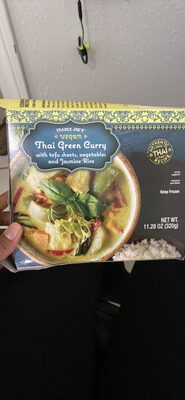
Thai Green Curry Bowl
Chef's Hacks
- Meal-straight: heat and eat as a complete quick dinner—serve as-is for a satisfying single-plate meal rich in carbs, plant protein and vegetables.
- Bowl upgrade: add fresh steamed greens (spinach, bok choy) and a drizzle of lime to increase fiber, micronutrients and acidity to cut through the coconut richness.
- Protein boost: for extra protein and texture, fold in pan-seared shrimp, shredded rotisserie chicken or extra cubes of firm tofu and finish with fresh basil and chopped chilies.
Did You Know?
"Green curry is a relatively modern Thai curry variant that became popular in Thailand during the 20th century; its characteristic green color comes from fresh green chilies and herbs (such as cilantro stems and green peppercorns) rather than aging red chilies, which gives it a brighter, herbaceous profile."