
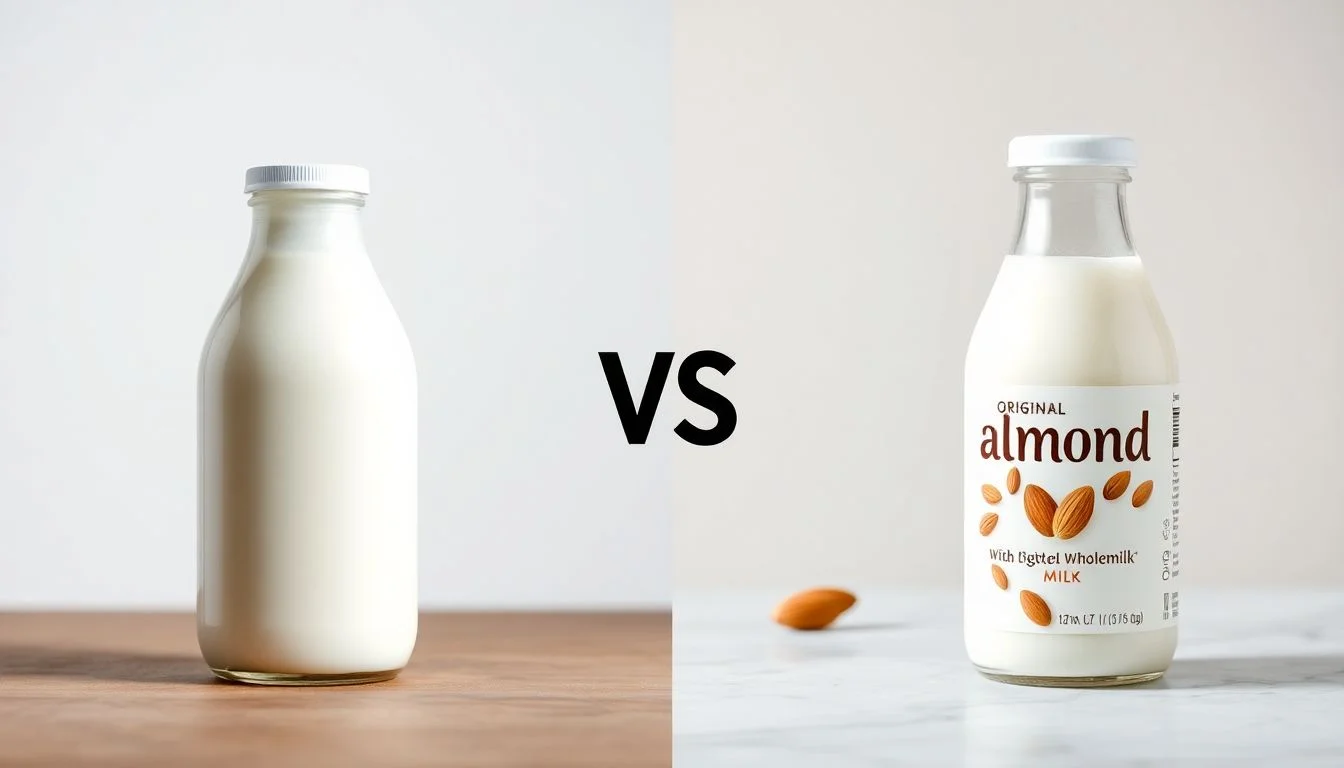
Whole Milk vs Original Almondmilk
Whole Milk and Original Almondmilk cater to different needs, but both can find a place in your fridge. Whether you’re looking for creamy richness or a lighter alternative, this comparison highlights what each offers.
Based on AI sentiment analysis
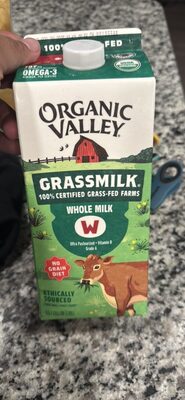
Whole Milk
Chef's Hacks
- Perfect for creamy sauces
- Great in coffee or tea
- Ideal for baking rich desserts
Did You Know?
"Whole Milk is a staple in many households, often praised for its versatility and rich flavor. It’s also a good source of calcium, which is essential for strong bones."
The Showdown
Pros & Cons
Whole Milk
- Rich and creamy texture
- Good source of Vitamin D
- Versatile for cooking and baking
- Higher in calories
- Contains lactose
- More saturated fat
Original Almondmilk
- Low in calories
- Dairy-free option
- Good for smoothies and cereals
- Lower protein content
- Milder flavor
- Contains additives
Flavor Profile
Flavor & Texture
Ingredient Quality
Nutritional Value
Value Verdict
A Better Alternative?
Oat milk is a great alternative for those seeking a creamy, dairy-free option without many additives.
If both A and B are disappointing, our experts recommend this healthier swap.
Make it a Meal
Try pairing the winner with Granola
"Whole Milk adds creaminess, while Almondmilk provides a lighter, nutty flavor."
Buy GranolaFinal Conclusion
In the end, your choice between Whole Milk and Original Almondmilk should reflect your dietary needs and flavor preferences. Whole Milk shines with its rich taste and nutrient content, appealing to those who enjoy traditional dairy. On the flip side, Original Almondmilk provides a lighter, dairy-free option that fits well into a low-calorie diet. Consider how you plan to use each, and you’ll find the right match for your kitchen.
Share the Verdict
Help your friends eat smarter.
Frequently Asked Questions
Is Whole Milk suitable for lactose-intolerant individuals?
No, Whole Milk contains lactose, which can be a concern for those with lactose intolerance.
Can Original Almondmilk be used in baking?
Yes, but it may alter the texture and flavor compared to dairy milk.
Does Whole Milk contain added vitamins?
Yes, it is often fortified with Vitamin D.
Is Original Almondmilk a good source of protein?
No, it has a lower protein content compared to dairy milk.


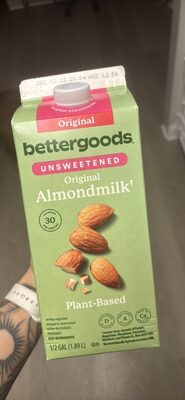
Original Almondmilk
Chef's Hacks
- Blend into smoothies
- Use in cereal as a milk substitute
- Add to coffee for a lighter option
Did You Know?
"Almondmilk has surged in popularity as a dairy alternative, especially among those with lactose intolerance or dietary restrictions. It’s often fortified with vitamins and minerals to enhance its nutritional profile."