Back to ArenaCAKEID.VERSUS
Wild Ahi Tuna vs Pink Salmon Comparison
Brutal Head-to-Head

Wild Ahi Tuna vs Pink Salmon Comparison

Two oceanic delights take center stage: Wild Ahi Yellowfin Tuna and Pink Salmon. Which of these nutrient-rich fish offers more benefits to health enthusiasts and culinary adventurers alike?

The Quick Verdict
"After a thorough analysis, Wild Ahi Tuna takes the lead with its higher protein content and lower sodium levels, making it a superior choice for health-conscious consumers. However, Pink Salmon holds its ground with its simplicity and flavor."
Ahi Tuna (60%)Pink Salmon (40%)

Based on AI sentiment analysis

A
Contender A
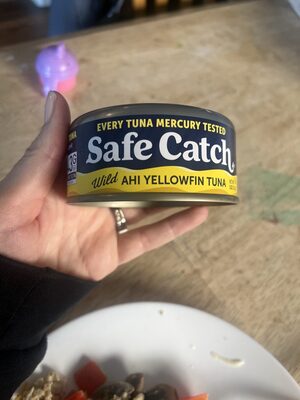
Wild Ahi Yellowfin Tuna

Ahi Tuna

Best For
Best for fitness enthusiasts and health-conscious consumers because of its high protein content and lower sodium levels.
Health Watch
Main health concern is sustainability related to overfishing.
Watch out for:
See Deal

Chef's Hacks

  • Use in poke bowls for a fresh, healthy meal.
  • Sear and serve over a bed of sautéed greens for a gourmet experience.
  • Incorporate into sushi rolls combined with avocados and sesame.

Did You Know?

"Wild Ahi Tuna is often used in high-end sushi and sashimi dishes and is recognized for its rich flavor and buttery texture, making it a coveted ingredient in culinary traditions worldwide."

The Showdown

Pros & Cons

Ahi Tuna

  • Exceptional protein content at 26g per serving supports muscle growth.
  • Lower sodium levels make it more heart-friendly.
  • Rich in essential fatty acids beneficial for brain health.
  • Limited calcium content may not support bone health effectively.
  • Requires specific preparation methods to maximize flavor.
  • Sourcing can affect sustainability practices.

Pink Salmon

  • Minimal ingredients ensure a clean label and fewer additives.
  • Slightly higher calcium content supports bone health.
  • Well-known flavor that appeals to a broad audience.
  • Less protein at only 20g per serving compared to Ahi Tuna.
  • Higher sodium levels can be a concern for hypertensive individuals.
  • Limited flavor profile alongside heavier reliance on salt.

Flavor Profile

Flavor & Texture

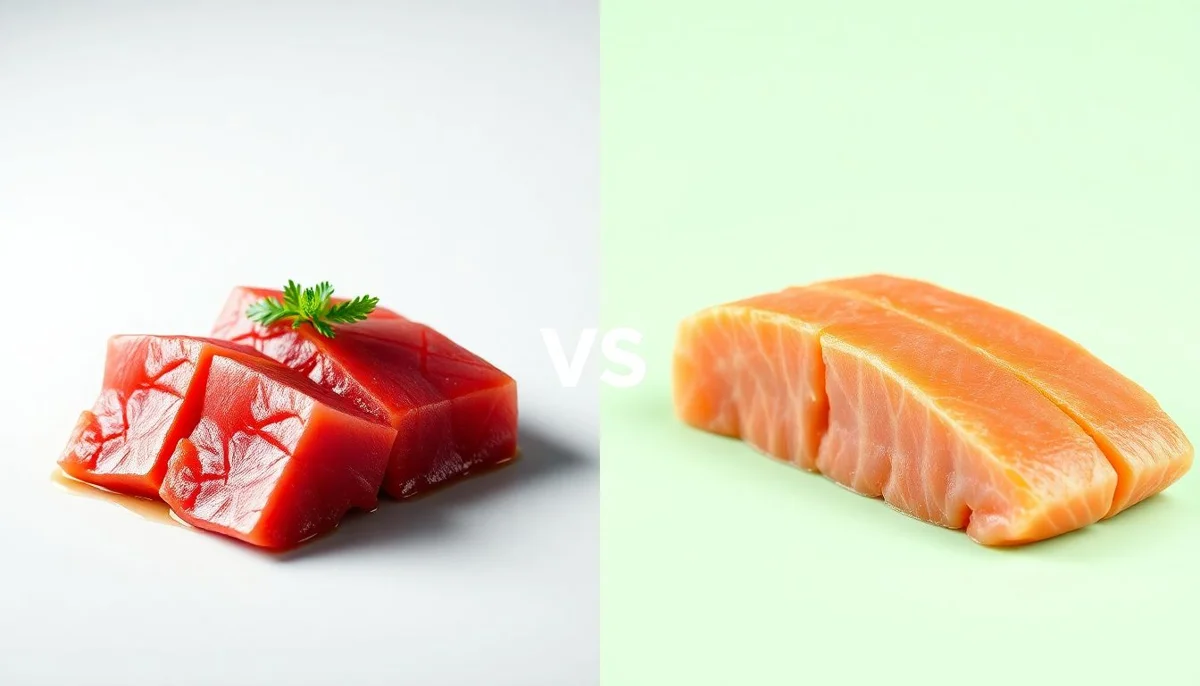
When it comes to flavor and texture, the Wild Ahi Yellowfin Tuna presents a rich, meaty mouthfeel that is both firm and buttery, allowing for a variety of culinary applications ranging from searing to sushi-grade preparations. Its subtle oceanic notes are accentuated by a clean finish that leaves a lingering umami sensation on the palate. In contrast, Pink Salmon offers a softer texture, characterized by its flakiness and slightly oily richness – a natural flavor that’s often enhanced by a pinch of salt, which can overshadow its genuine taste. The profile tends to be sweeter with a more pronounced fish essence, appealing to those who favor a more robust seafood experience. Ultimately, while Ahi Tuna's flavor evokes sophistication with its delicate balance, Pink Salmon resonates comfort and familiarity, making each an adventure in its own right.

Ingredient Quality

Analyzing ingredient quality reveals significant insights into both products. Wild Ahi Tuna is composed primarily of tuna, with negligible additives or preservatives, which speaks to its freshness and quality sourced from the Pacific Ocean. However, sourcing practices are crucial to consider for sustainable consumption due to the strain on yellowfin populations. Conversely, Pink Salmon primarily consists of salmon and salt, ensuring a highly straightforward ingredient profile. The simplicity can be an attractive feature, as fewer ingredients often indicate less processing. Nevertheless, the inclusion of salt necessitates caution for individuals monitoring sodium intake. In essence, while both products boast high-quality primary ingredients, the difference lies in the sourcing and sustainability practices associated with each type of fish.

Nutritional Value

In a nutritional showdown, Ahi Tuna excels in protein content, clocking in at an impressive 26g of protein per 3oz serving, translating to a robust 52% of the recommended daily value. When assessing Pink Salmon, its protein content, while respectable at 20g, falls short by comparison. Ahi Tuna also showcases lower sodium levels, which is a crucial consideration for individuals aiming to maintain healthy blood pressure levels; it features minimal sodium content, while Pink Salmon, affected by its salt addition, poses concerns for sodium-sensitive consumers. Each fish is equal in added sugars and carbohydrates, both boasting roughly zero in these areas. Hence, on the scales of healthfulness and nutritional benefits, Wild Ahi Tuna presents a compelling argument for those prioritizing higher protein and lower sodium.

Value Verdict

In terms of value for money, Wild Ahi Tuna, while often priced higher, offers greater nutritional benefits. Its remarkable protein content and lower sodium levels can justify the cost for health enthusiasts, while Pink Salmon provides decent quality at a more budget-friendly price, making it suitable for everyday meals. Ultimately, choosing the right product comes down to individual dietary needs and financial considerations.

A Better Alternative?

Sardines are an excellent alternative due to their high omega-3 content, sustainability, and rich flavor profile, making them a nutritious choice that offers similar health benefits with better environmental impact.

If both A and B are disappointing, our experts recommend this healthier swap.

Make it a Meal

Try pairing the winner with Avocado

"Avocado complements both the rich, buttery texture of Ahi Tuna and the soft sweetness of Pink Salmon, enhancing the overall mouthfeel while providing healthy fats that round out the dish nutritionally."

Buy Avocado

Final Conclusion

Weighing both nutritional and flavor components, Wild Ahi Yellowfin Tuna emerges as the superior choice for those prioritizing health and protein-dense foods. Its myriad advantages, from sustainability to low sodium levels, make it a formidable player in the fish category. On the flip side, Pink Salmon charms with its familiarity and straightforward ingredient list, making it a go-to for families. Both have their unique merits and audiences; thus, the choice ultimately reflects personal taste and health priorities. Whether you lean towards the protein powerhouse of Ahi Tuna or the comfort of Pink Salmon, innovations in culinary practices can ensure that both fit well in a balanced diet.

Share the Verdict

Help your friends eat smarter.

Frequently Asked Questions

Is Ahi Tuna better for my diet than Pink Salmon?

Yes, Ahi Tuna offers more protein and lower sodium levels, making it a better choice for muscle building and heart health.

Can I consume Pink Salmon if I'm concerned about sodium intake?

While it’s possible to consume Pink Salmon, it is important to monitor overall sodium intake due to its added salt content, especially if you are following a low-sodium diet.
B
Contender B
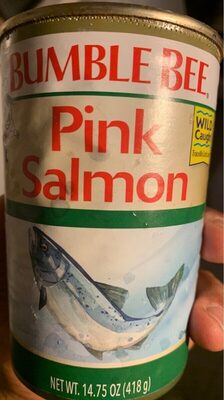
Pink salmon

Pink Salmon

Best For
Ideal for families and casual meals due to its familiar flavor and simple ingredient list.
Health Watch
Main health concern is elevated sodium levels due to added salt.
Watch out for:
See Deal

Chef's Hacks

  • Flake over a fresh garden salad for added protein.
  • Utilize as a filling in wraps or sandwiches for a quick lunch option.
  • Pair with roasted vegetables for a well-rounded dinner.

Did You Know?

"Pink Salmon is one of the most commercially important species of salmon, it is often canned due to its abundance, making it a staple in many households across the globe."