Back to ArenaCAKEID.VERSUS
Tuna vs Salmon: Which is Healthier?
Brutal Head-to-Head

Tuna vs Salmon: Which is Healthier?

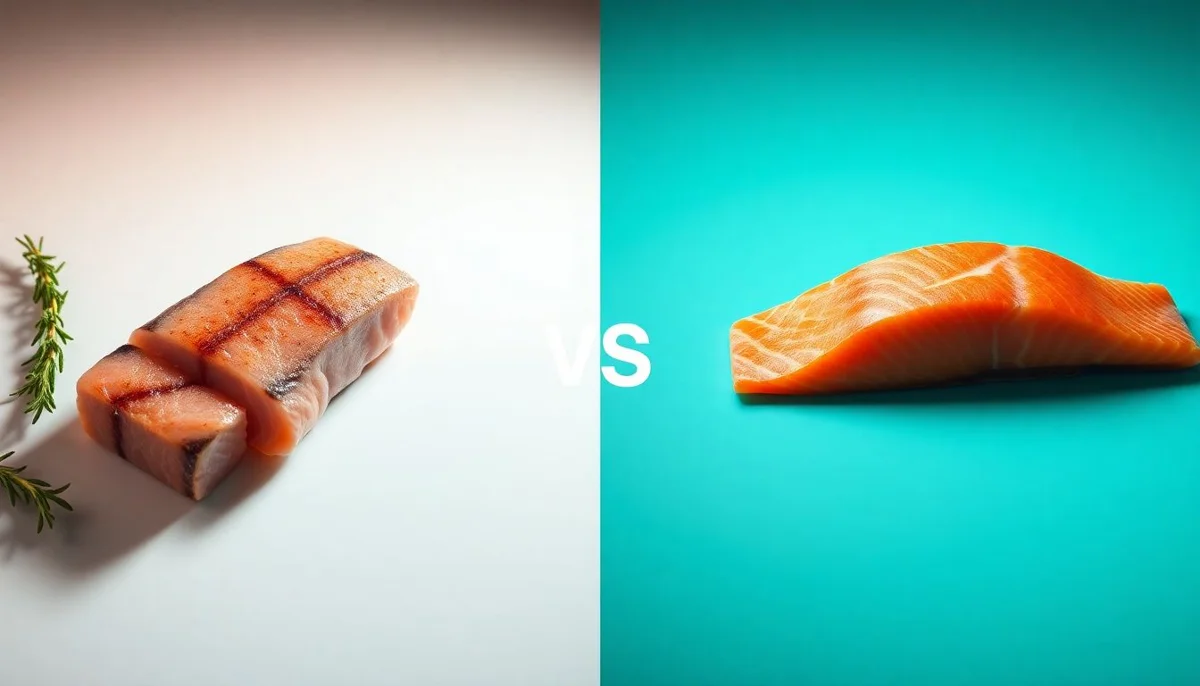
When diving into the depths of canned seafood, two contenders rise to the top: tuna and salmon. Both are packed with beneficial nutrients, but which one offers superior health benefits?

The Quick Verdict
"Product B, the Wild Caught Alaskan Pink Salmon, edges out the Wild Caught Light Tuna in terms of nutritional value and flavor complexity. While both options are nutritious, the salmon provides a richer profile that may appeal more to health-conscious consumers."
Tuna (45%)Salmon (55%)

Based on AI sentiment analysis

B
Contender A
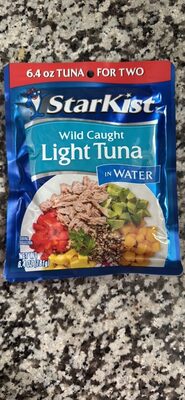
Wild Caught Light Tuna in Water

Tuna

Best For
Best for fitness enthusiasts looking for low-calorie, high-protein meals because it offers a leaner source of nourishment.
Health Watch
Lower omega-3 content and potential mercury exposure issues.
Watch out for:
See Deal

Chef's Hacks

  • Mixed into a fresh salad for a protein-packed lunch.
  • Used as a filling for wraps with fresh vegetables and sauces.
  • Incorporated into pasta dishes to enhance flavor and nutrition.

Did You Know?

"Canned tuna began as a method to preserve fish during times of war, evolving into a staple in many households."

The Showdown

Pros & Cons

Tuna

  • High in protein with low calories, making it a lean option for weight management and muscle building.
  • Contains essential omega-3 fatty acids, promoting heart health and brain function.
  • Versatile ingredient that pairs well in salads, sandwiches, or as a protein topping.
  • Limited flavor complexity compared to salmon, which may lead to a monotonous taste.
  • Lower in total fat content, which might not provide enough satiety for some.
  • Sustainability issues with certain tuna fisheries affect its environmental profile.

Salmon

  • Rich flavor profile due to the salmon's natural fats, offering a delightful mouthfeel.
  • Higher omega-3 content per serving, significantly benefiting cardiovascular health.
  • More nutrients overall, including vitamin D and selenium, contributing to overall well-being.
  • Generally, higher in calories and fat, which could be a concern for strict dieters.
  • May be less available or more expensive compared to standard canned tuna.
  • Concerns over mercury levels and sustainability in some salmon sourcing.

Flavor Profile

Flavor & Texture

The flavor and texture of Wild Caught Light Tuna can be characterized as mild and slightly fishy, which can make it less intriguing for the gourmet palate. When consumed, it has a firm texture, but the mouthfeel does not boast much complexity. The aftertaste is clean, but it can lack the depth that many consumers seek in a fish product. In contrast, the Wild Caught Alaskan Pink Salmon possesses a buttery richness that lends it a far superior flavor profile. The salmon's fat content gives it a tender, flaky texture that practically melts in the mouth. Upon tasting, the initial burst of umami flavors followed by a subtle ocean salinity creates a satisfying experience that lingers pleasantly, making it a more enjoyable option for recipes that highlight fish as a central ingredient. Overall, salmon seems to engage a wider range of taste buds and offers a lavish experience compared to tuna.

Ingredient Quality

The ingredient list for Wild Caught Light Tuna consists of light tuna, vegetable broth, water, and salt. While the inclusion of vegetable broth gives it an appealing flavor, the reliance on the broth can raise concerns if it contains additives or flavor enhancers that are less desirable for health-conscious consumers. The tuna itself, being wild caught, typically means a better environmental footprint but still poses risks for mercury exposure, which is prevalent in larger fish species. On the other hand, Wild Caught Alaskan Pink Salmon offers simplicity with its ingredient composition: pink salmon, water, and salt without any unnecessary additives. This shows a commitment to maintaining purity and quality, as well as the likelihood of minimal processing, making the salmon a potentially healthier choice. Both options utilize water as a primary liquid, yet the salmon inherently seems to provide better health benefits due to its natural fatty acids and nutrients without extra processing.

Nutritional Value

When it comes to nutrition, both Wild Caught Light Tuna and Wild Caught Alaskan Pink Salmon present strong arguments, but they cater to slightly different nutritional needs. The tuna is known for its higher protein content with relatively low calories, making it particularly appealing for those on a calorie-restricted diet or looking to build muscle. Additionally, it contains no carbohydrates, thus supporting low-carb diet efforts. However, the tuna only offers a modest amount of omega-3 fatty acids compared to salmon. Conversely, the salmon not only brings in higher omega-3s crucial for heart health but also provides additional dietary components such as vitamin D and selenium. While the salmon has higher cholesterol levels compared to tuna (0.06g vs. 0.04g), the overall profile demonstrates more benefits from its quality fats and vitamins, making it the winner in a direct nutritional comparison.

Value Verdict

While Wild Caught Light Tuna may appeal to those looking for a budget option, the slight increase in price for Wild Caught Alaskan Pink Salmon is justified by its richer taste, superior nutrition, and overall satisfaction it provides. Investing in salmon means investing in higher quality nutrients, thus offering better long-term health benefits.

A Better Alternative?

A healthier alternative could be sardines, known for their omega-3 richness, lower mercury levels, and higher calcium content, making them an excellent choice for bone health.

If both A and B are disappointing, our experts recommend this healthier swap.

Make it a Meal

Try pairing the winner with Cucumber and Dill

"The refreshing, crisp texture of cucumber combined with the aromatic and slightly tangy flavor of dill beautifully enhances both tuna and salmon, creating a balanced and sophisticated dish."

Buy Cucumber and Dill

Final Conclusion

In this detailed comparison between Wild Caught Light Tuna and Wild Caught Alaskan Pink Salmon, the latter emerges clearly as the more beneficial choice. Its impressive combination of high-quality ingredients and a superior nutritional profile means that it not only delights the palate with rich flavors but also provides substantial health benefits including omega-3 fatty acids, vitamin D, and numerous other nutrients that support overall wellness. While both products can play valuable roles in a balanced diet, the salmon significantly outshines the tuna in terms of flavor, nutrition, and culinary versatility, making it an ideal option for those seeking out healthier meal choices.

Share the Verdict

Help your friends eat smarter.

Frequently Asked Questions

Is canned tuna or canned salmon better for you?

It largely depends on personal dietary needs, but canned salmon generally offers more healthy fats and nutrients compared to canned tuna.

Can I eat canned fish every day?

While consuming canned fish can be part of a healthy diet, moderation is key due to potential mercury exposure, especially from larger fish like tuna.
A
Contender B
Wild Caught Alaskan Pink Salmon in water

Salmon

Best For
Best for flavor seekers and health-conscious consumers because it provides rich nutrients and a decadent taste.
Health Watch
Higher cholesterol levels may concern those monitoring heart health.
See Deal

Chef's Hacks

  • Served as a classic salmon salad with herbs and Greek yogurt.
  • Flaked into a frittata or omelet for added richness.
  • Paired with vegetables and grains for a nutrient-dense bowl.

Did You Know?

"Salmon has been a vital part of sustenance for Indigenous peoples of the Pacific Northwest for thousands of years and symbolizes prosperity and abundance."