
Is grain free cereal Vegan?
The short answer is MAYBE. While grain free cereal is packed with plant-based ingredients like chickpeas and pea protein, there is one sneaky culprit that often disqualifies it from a strict vegan diet: the sugar. Let's dive into the ingredient list to see exactly where this product stands.
The Ingredient Breakdown
When analyzing a grain free cereal, the base ingredients are usually a slam dunk for vegans. In this specific blend, we see Chickpea and Tapioca used to create the crunchy texture. These are excellent, nutrient-dense plant sources that replace traditional wheat or corn. Additionally, Pea Protein is a staple in vegan diets, providing a complete amino acid profile without the need for animal products. It acts as a binder and a satiating agent, keeping you full longer.
However, the plot thickens when we reach Organic Cane Sugar. This is the most common reason a seemingly healthy product fails the vegan test. In the United States, a significant portion of cane sugar is processed using bone char—charred animal bones—used as a filter to whiten the sugar and remove impurities. While technically no bone particles remain in the final product, the processing method renders it non-vegan. Unless the label specifically states 'Unrefined' or 'Certified Organic' (which ensures non-bone char processing), strict vegans usually avoid it.
Finally, we have Natural Flavors and Monk Fruit. Monk fruit is a plant-based sweetener, but Natural Flavors is a gray area. This proprietary ingredient can technically contain animal derivatives (like dairy or honey) used to carry the flavor, though it is less likely in a cocoa-flavored product. Without manufacturer transparency, it remains a minor flag.
Nutritional Value
From a nutritional standpoint, grain free cereals are designed to be lower in carbohydrates and higher in protein than their oat-based counterparts. The inclusion of Pea Protein significantly boosts the protein count, making this cereal a viable option for those looking to maintain muscle mass or manage blood sugar levels. Because it uses Tapioca rather than refined flour, the glycemic index is generally lower, though tapioca is still a starch that should be consumed in moderation.
The main nutritional downside here is the Organic Cane Sugar. While 'organic' implies no synthetic pesticides, it does not mean low sugar. If you are monitoring your caloric intake or trying to reduce added sugars, this cereal could be a pitfall. A serving size might look small, but the sugar content can add up quickly, potentially spiking insulin levels just like a conventional sugary cereal. It fits a low-carb diet, but it may not fit a low-sugar diet.
Frequently Asked Questions
Does grain free cereal contain dairy or gluten?
Is grain free cereal good for weight loss?
Where can I buy grain free cereal?
Is grain free cereal safe for kids?
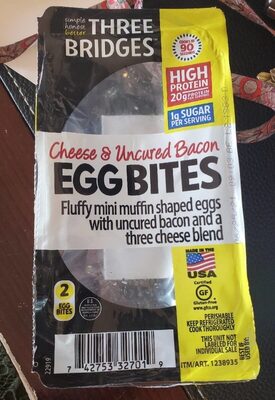
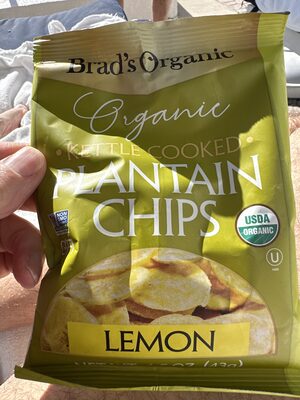
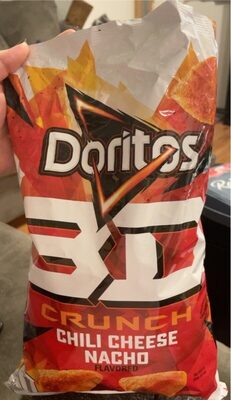
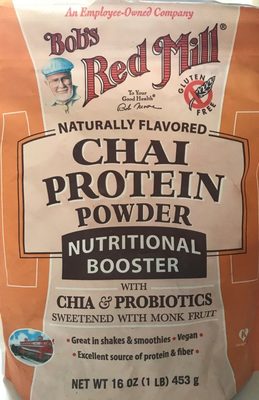
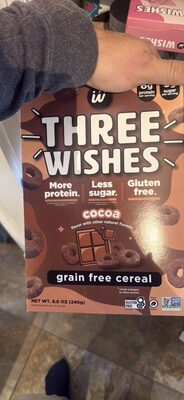
grain free cereal
Vegan Analysis
We recommend searching for certified Vegan alternatives.
Pro Tip
Always double-check the label. Manufacturers change ingredients frequently without notice!