
Is Organic Plant Protein Vegan?
The short answer is: **MAYBE**. While this product is built on a foundation of organic fruits and vegetables, strict vegans need to look closer. The inclusion of certain processed ingredients and sugars creates a gray area that depends entirely on your personal dietary standards.
The Ingredient Breakdown
As a food scientist, I look beyond the marketing claims to the molecular level of ingredients. When we dissect this Organic Plant Protein blend, we see a mix of whole foods and processed additives. Let's look at the key players.
First, the base ingredients are excellent. Organic Coconut Milk and Organic Inulin (a prebiotic fiber) are fully plant-based and generally considered healthy. The Organic Fruit and Vegetable Blend—containing apple, orange, carrot, tomato, broccoli, and shiitake mushroom—is a fantastic addition for micronutrients. These are the 'clean' components.
However, the flags arise with the sweeteners and flavorings. Organic Coconut Sugar is technically plant-derived, but it is still a refined sugar. For strict vegans, particularly those avoiding processed sugars due to bone char filtration practices in the industry, this is a point of contention. Furthermore, Organic Stevia Extract and Organic Luo Han Guo Extract are high-intensity sweeteners. While they come from plants, they undergo significant chemical processing to isolate the sweet compounds.
Finally, we have Natural Blueberry Muffin Flavor and Organic Acacia Gum. Acacia gum is a natural resin, perfectly vegan. The term 'Natural Flavor' is the wildcard. While it implies it comes from natural sources (like blueberries), the processing agents used to create that flavor are rarely disclosed. In 99% of cases, natural flavors are vegan, but in the strictest sense, they remain an unknown variable.
Nutritional Value
From a nutritional standpoint, this product is designed to be palatable, which often comes at the cost of sugar content. The presence of Organic Coconut Sugar adds empty calories alongside the beneficial fiber from Organic Inulin. If you are monitoring your glycemic index or trying to lose weight, the added sugars are a significant drawback.
Regarding protein density, the label provided does not specify the protein yield per serving, which is a red flag for a product labeled as a 'protein' supplement. Without a high gram count (typically 20g+), this product functions more as a 'greens' powder with a sugar spike than a muscle-building supplement. It fits a diet focused on micronutrients, but it may not fit strict low-sugar or keto vegan diets due to the carb load.
Frequently Asked Questions
Does Organic Plant Protein contain dairy or gluten?
Is Organic Plant Protein good for weight loss?
Where can I buy Organic Plant Protein?
Is Organic Plant Protein safe for kids?
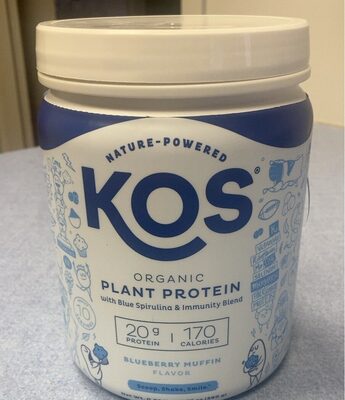
Organic Plant Protein
Vegan Analysis
We recommend searching for certified Vegan alternatives.
Pro Tip
Always double-check the label. Manufacturers change ingredients frequently without notice!