
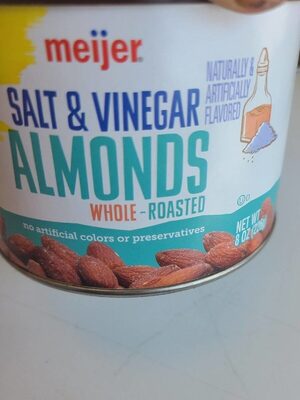
Is Salt & vinegar flavored whole roasted almonds Kosher?
Yes, Salt & vinegar flavored whole roasted almonds are generally considered Kosher. While the seasoning blend contains complex ingredients like sodium diacetate and lactose, there are no animal-derived derivatives or wine-based additives that would typically violate Kosher laws. This article investigates the specific ingredients to confirm the verdict.
The Ingredient Breakdown
To determine the Kosher status of these almonds, we must look beyond the basic label and analyze the specific chemical composition of the seasoning. The primary ingredients are Almonds, a seasoning blend, and vegetable oil. Almonds are inherently Kosher (Pareve), but the flavoring requires scrutiny.
The seasoning contains sodium diacetate, malic acid, and dextrose. Sodium diacetate is a salt of acetic acid (vinegar) and is typically produced synthetically or from fermentation, neither of which involves non-Kosher animal products. Malic acid provides the sour 'bite' and is derived from fruits or synthesized, both acceptable. Dextrose is a corn-derived sugar and is considered Pareve.
The most critical ingredient to analyze here is lactose. Lactose is a milk sugar. In a Kosher context, any dairy ingredient must come from a Kosher-certified source and cannot be mixed with meat. Since almonds are a nut (often grouped with Pareve or meat in stricter traditions), the presence of lactose technically makes the product Dairy. However, because the product is processed on a line that likely handles nuts and oils, it would be classified as 'Dairy Equipment' (DE) or 'Dairy' (D), rather than being non-Kosher entirely. Provided the lactose is from a Kosher source, the product remains permissible to eat, just not with meat meals.
Finally, the vegetable oil (peanut and/or soy) is naturally Kosher. The only remaining risk is natural flavors, which can sometimes hide non-Kosher wine derivatives or animal enzymes, but in standard mass-market savory snacks, these are usually plant-derived. Without a specific certification, we rely on the ingredient list, which shows no obvious red flags.
Nutritional Value
While Kosher status is the primary focus, the nutritional profile of Salt & vinegar almonds is worth noting. Almonds are a nutrient-dense powerhouse, packed with monounsaturated fats, protein, and Vitamin E. However, the addition of the seasoning blend alters the profile slightly. The inclusion of dextrose and lactose adds a small amount of simple carbohydrates and sugar, which isn't present in raw almonds.
Regarding dietary fit, these almonds are generally low-carb and keto-friendly in moderation, as the net carb count from the small amount of added sugar is negligible. They are gluten-free by nature, though cross-contamination is always a possibility in facilities that process wheat. For those watching sodium intake, the added salt and sodium diacetate contribute to the total sodium content, so portion control is advised for individuals with hypertension.
Frequently Asked Questions
Does Salt & vinegar flavored whole roasted almonds contain dairy or gluten?
Is Salt & vinegar flavored whole roasted almonds good for weight loss?
Where can I buy Salt & vinegar flavored whole roasted almonds?
Is Salt & vinegar flavored whole roasted almonds safe for kids?




Pro Tip
Always double-check the label. Manufacturers change ingredients frequently without notice!