
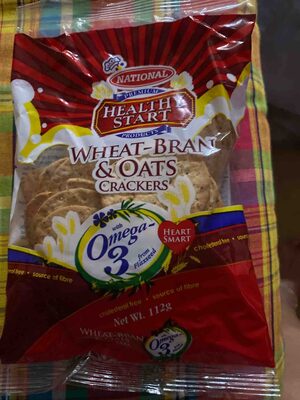
Is Wheat-bran & Oats Crackers Halal?
Yes, Wheat-bran & Oats Crackers are Halal. Based on a detailed analysis of the ingredient list, there are no animal-derived ingredients, alcohol, or controversial additives that would violate Islamic dietary laws. This makes them a safe and compliant snack for those seeking Halal-certified foods.
The Ingredient Breakdown
When determining if a processed snack like these crackers is Halal, we must look beyond the main grains. The complexity usually lies in the processing aids and additives. Let's look at the specific ingredients provided for this product.
The base of the cracker consists of wheat flour, whole wheat flour, and rolled oats. These are plant-based grains and are inherently Halal. However, a common concern with oats is cross-contamination. While oats themselves are safe, they are frequently processed in facilities that handle wheat, leading to gluten issues, but this does not affect the Halal status unless a specific grain is forbidden (which wheat and oats are not).
Next, we examine the chemical additives. The product uses a blend of sodium bicarbonate, sodium acid pyrophosphate, and monocalcium phosphate. These are standard chemical leavening agents used to give the cracker its crunch and lift. They are inorganic salts and are completely Halal. The ingredient ammonium bicarbonate is also present; despite containing the word 'ammonia,' this is a synthetic chemical salt (often called 'hartshorn' in baking) and is permissible in Islam.
Perhaps the most scrutinized ingredient is sodium metabisulphite. This is a preservative used to maintain freshness and prevent browning. It is a synthetic chemical, not derived from animals or fermentation, so it poses no Halal issues. Similarly, enzymes are used to improve dough texture. In modern industrial baking, these enzymes (such as amylase) are almost exclusively produced via microbial fermentation (fungi/bacteria) in a lab setting, making them Halal. Porcine (pig) enzymes are rarely, if ever, used in such mass-produced crackers.
Finally, the emulsifier (soy lecithin) and vegetable oil are derived from plants (soy, canola, palm). While palm oil has ethical debates, it is chemically Halal. There are no hidden animal fats or dairy derivatives in this specific formulation.
Nutritional Value
While the Halal status is confirmed, the nutritional profile is equally important for a health-conscious diet. These crackers rely heavily on wheat flour and vegetable oil, meaning they are primarily a source of carbohydrates and fats. The inclusion of bran, flaxseed, and whole wheat flour adds dietary fiber, which aids digestion and helps regulate blood sugar levels.
The sugar content is relatively low compared to sweet biscuits, but it is present. For those strictly monitoring sugar intake, this is a minor factor. The vegetable oil content contributes to the calorie density; while these are not 'low fat,' the use of oils like canola provides some unsaturated fats. Overall, these crackers fit well into a balanced diet as a savory snack alternative to potato chips, provided portion sizes are managed.
Frequently Asked Questions
Does Wheat-bran & Oats Crackers contain dairy or gluten?
Is Wheat-bran & Oats Crackers good for weight loss?
Where can I buy Wheat-bran & Oats Crackers?
Is Wheat-bran & Oats Crackers safe for kids?
Pro Tip
Always double-check the label. Manufacturers change ingredients frequently without notice!