
Is WHITE COOKING WINE Vegan?
The answer to whether WHITE COOKING WINE is vegan is MAYBE. While the core ingredients appear plant-derived, the inclusion of 'natural flavor' creates a gray area that requires a closer look at the manufacturing process. In this article, we will dissect the label to determine if this pantry staple aligns with a strict vegan lifestyle.
The Ingredient Breakdown
When analyzing a product like WHITE COOKING WINE, the vegan status usually comes down to the filtration process and specific additives. Let's look at the specific ingredients found in the standard profile: Wine, salt, natural flavor, potassium sorbate, and potassium metabisulfite.
The base ingredient, Wine, is naturally vegan. However, many wines (both white and red) are clarified or 'fined' using animal-derived products such as egg whites, casein (milk protein), or isinglass (fish bladder protein). Since the label simply lists 'Wine' without specifying the filtration method, the strictest vegans often avoid wines that do not explicitly state they are vegan-friendly.
The ingredient Natural Flavor is the most significant red flag in this product. The term 'natural flavor' can legally contain animal derivatives depending on the manufacturer's proprietary formula. It is often used to enhance the mouthfeel or aroma, and without transparency from the brand, it is impossible to verify if it is derived from plants or animals.
Fortunately, the preservatives Potassium Sorbate and Potassium Metabisulfite are synthetic or mineral-based and are considered vegan. These are used to prevent spoilage and oxidation, ensuring the product has a long shelf life without the need for animal-based preservatives.
Nutritional Value
WHITE COOKING WINE is generally considered a low-calorie ingredient, which makes it popular in diet-conscious cooking. A standard tablespoon typically contains only about 3 to 5 calories, making the caloric impact on a meal negligible.
Regarding macronutrients, this product is virtually fat-free and contains less than 1 gram of carbohydrates per serving. The sodium content is the primary nutritional concern; because cooking wine is salted (usually around 200mg per tablespoon) to make it non-potable, it can contribute significantly to your daily sodium intake if used in large quantities. For those on a low-sodium diet, this is an ingredient to measure carefully.
Frequently Asked Questions
Does WHITE COOKING WINE contain dairy or gluten?
Is WHITE COOKING WINE good for weight loss?
Where can I buy WHITE COOKING WINE?
Is WHITE COOKING WINE safe for kids?

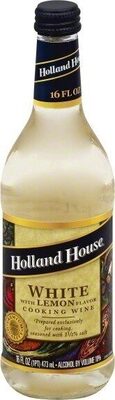
WHITE COOKING WINE
Vegan Analysis
We recommend searching for certified Vegan alternatives.
Pro Tip
Always double-check the label. Manufacturers change ingredients frequently without notice!