
USA-first hubs
Jump to FDA-based guides that help shoppers understand labels and avoid major allergens.
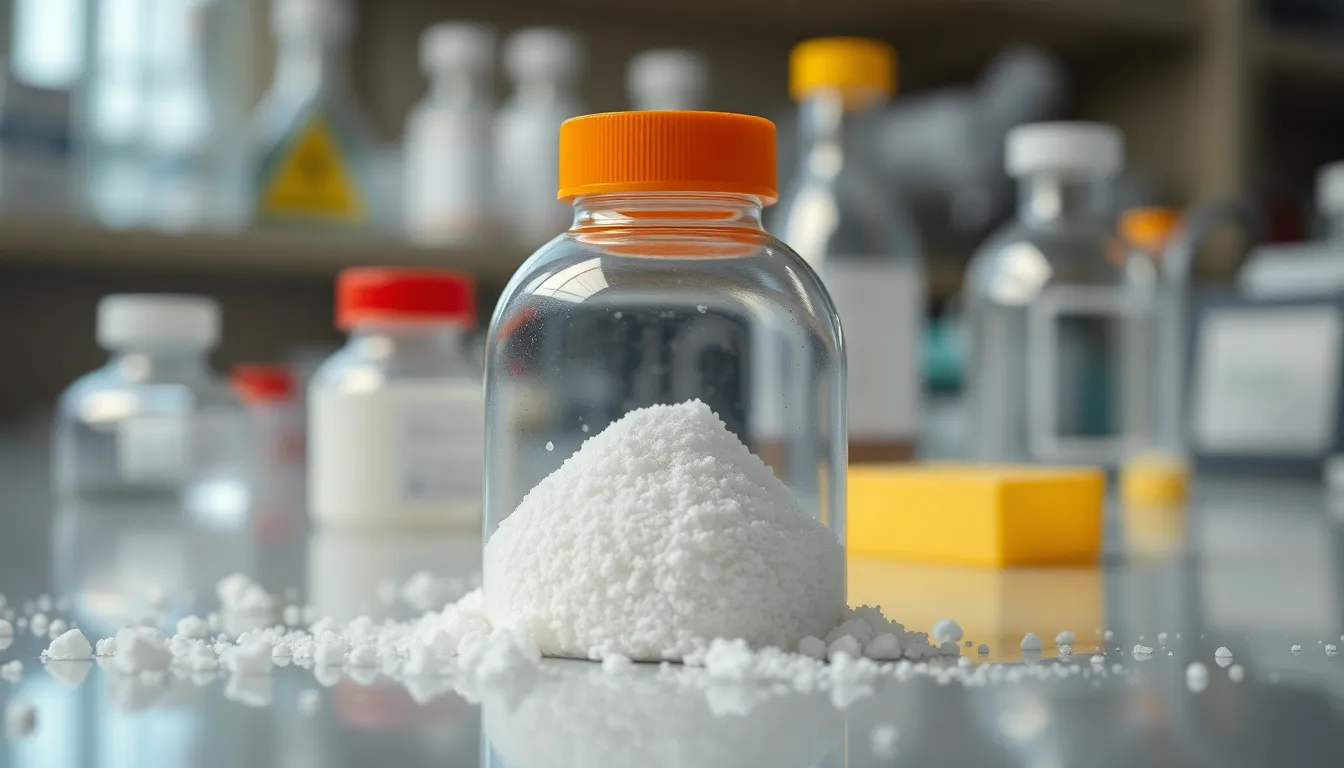
Acesulfame Potassium
Quick Verdict
Acesulfame potassium, a popular sweetener, is a go-to for those seeking a sugar substitute without the calories.
Sweetness Without the Guilt
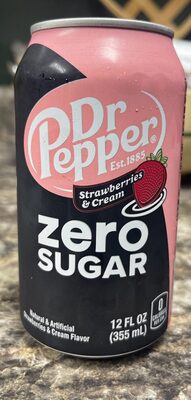
Imagine enjoying your favorite dessert without the sugar rush. Acesulfame potassium, or Ace-K, is a synthetic sweetener that offers a sweetness intensity 200 times that of sugar. It’s commonly found in products like sugar-free candies and drinks, making it a staple for those monitoring their caloric intake. With its ability to mimic the taste of sugar, it helps satisfy cravings without the calories.
The Science Behind the Sweetness
Acesulfame potassium works by tricking your taste buds into perceiving sweetness. It’s often used in combination with other sweeteners to enhance flavor profiles. Real food sources don’t naturally contain Ace-K, as it’s produced synthetically. However, it plays a crucial role in the formulation of many low-calorie and sugar-free products, allowing food manufacturers to cater to health-conscious consumers.
Navigating Safety and Usage
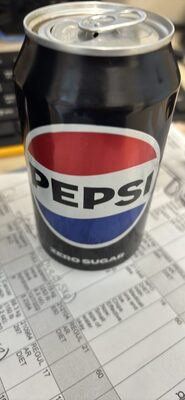
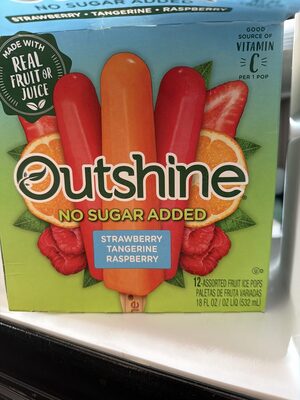
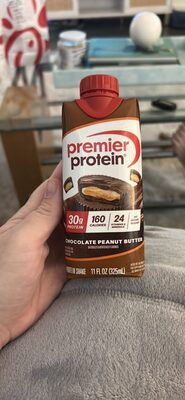
Regulatory bodies around the world have deemed acesulfame potassium safe for consumption. With an acceptable daily intake (ADI) set at 15 mg per kg of body weight, it’s essential for consumers to be mindful of their intake. Ace-K can be found in over 1,000 products, including beverages and baked goods, making it a common choice for those looking to reduce sugar without sacrificing taste.
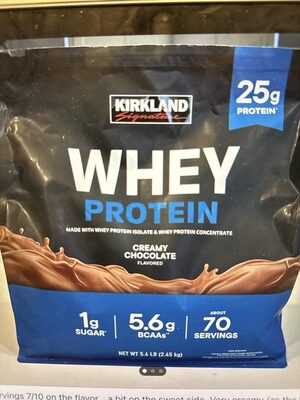
Found in 1098 Products

Common Questions
Scientific References
Risk Score
- Stevia
- Sucralose