
USA-first hubs
Jump to FDA-based guides that help shoppers understand labels and avoid major allergens.
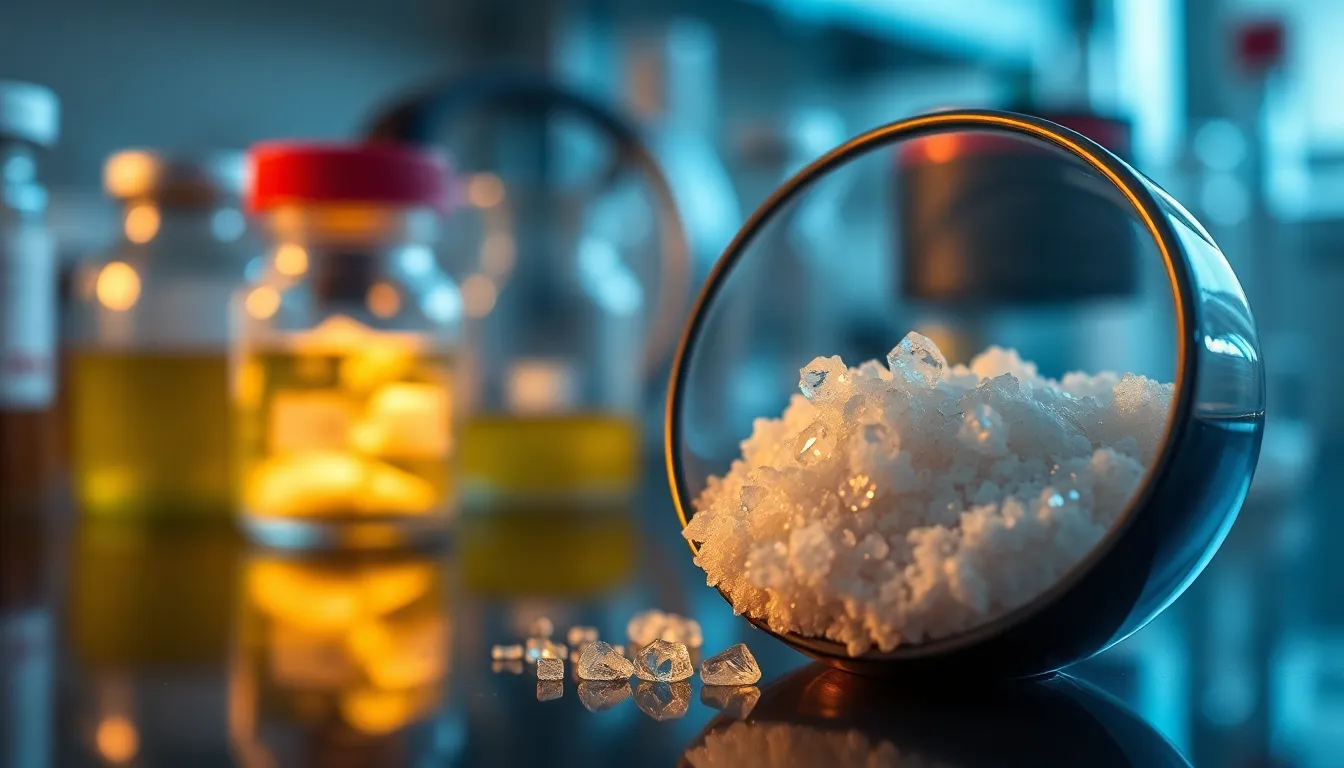
Aspartame
Quick Verdict
A tiny molecule with a big footprint: how a lab accident grew into a sugar-free staple and a story about real-food building blocks, safety checks, and everyday choices.
A Spark in the Lab to a Shelf Full of Sweets
In 1965, a gleam of curiosity plus a lab accident yielded aspartame. James M. Schlatter, a chemist, tasted a compound he was testing and found it sweet. Aspartame is a dipeptide—phenylalanine plus aspartic acid—capped with a methyl ester. Today it sits on the grocery-store shelf in roughly 491 products, whispering sweetness without the calories. Its magic isn’t a mystery; it borrows from real foods that supply its building blocks: milk, cheese, eggs, meat, soy, beans, and grains. So a lab breakthrough becomes a kitchen shortcut, letting everyday treats stay familiar yet lighter on the waistline.
Tiny Molecule, Big Sweetness
Aspartame is extraordinarily sweet—about 180 to 200 times sweeter than sugar—so only a tiny amount is needed. When you swallow it, your body splits it into familiar guests: phenylalanine and aspartic acid, plus a dash of methanol. Because only minuscule quantities are used, the calorie contribution is negligible. This means your cup of coffee or yogurt can taste like dessert without a heavy sugar load. And yet the atoms behind the sweetness aren’t exotic; they echo flavors found in real foods, including dairy, eggs, fish, and legumes. The result is a lab-born shortcut that slips into our daily routine with a quiet, steady sweetness.
Safety, PKU, and the Real World
Experts across agencies agree: aspartame is safe for the general population at approved levels. Yet caution is warranted for people with phenylketonuria (PKU), who must avoid it because of phenylalanine. The official ADI sits around 50 mg/kg/day in the U.S., with 40 mg/kg/day used in EU/JECFA guidance. Real-world intake—think chewing gum, yogurts, and diet beverages—tends to stay well under these limits. For many, choosing a different sweetener—stevia or monk fruit—feels right. The ‘found in 491 products’ label reminds us that sweetness travels far, but the safety story remains nuanced and personal, shaped by health, taste, and daily choices.
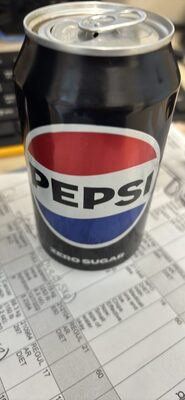
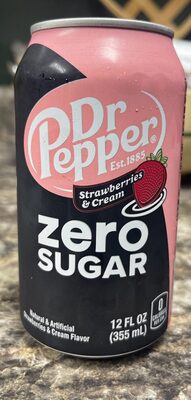
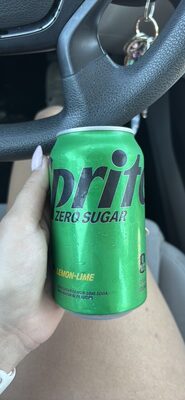
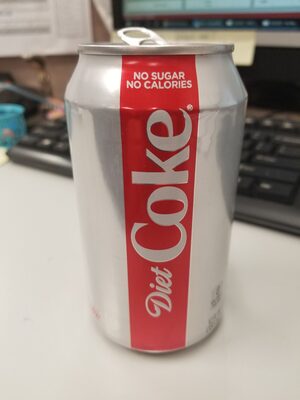
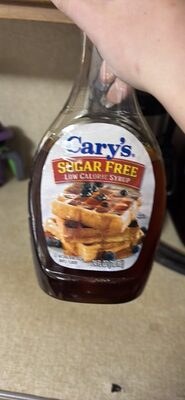
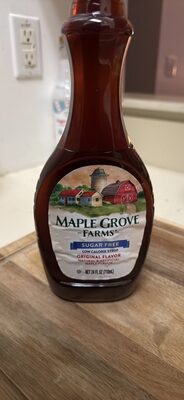
Found in 491 Products
Common Questions
Risk Score
- Stevia
- Monk fruit (luo han guo)
- Erythritol