
USA-first hubs
Jump to FDA-based guides that help shoppers understand labels and avoid major allergens.
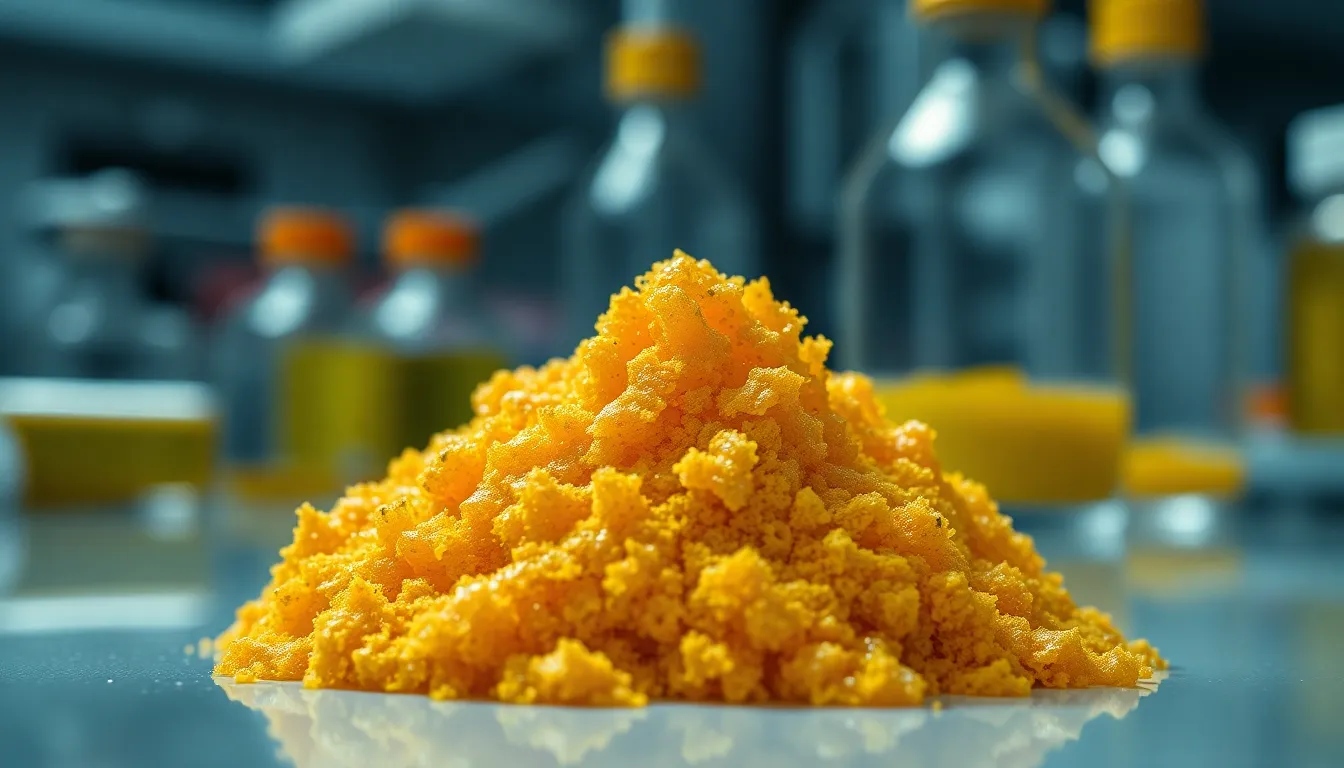
Autolyzed Yeast Extract
Quick Verdict
A savory storyteller hiding in plain sight, autolyzed yeast extract boosts umami by releasing glutamates from ordinary yeast—bridging real foods with modern convenience.
Origin Story: The Quiet Fire Beneath Umami
On the lab bench and in the kitchen, autolyzed yeast extract began as a quiet question about depth of flavor. Bakers and brewers know yeast as a friend that makes dough rise and beer sparkle. Autolysis is the chef’s trick: letting the yeast self-digest to release amino acids and peptides that carry the savory, umami whisper we crave. The result is a small, amber spoonful tucked into soups, gravies, and snack mixes, providing savor without fish sauce lists or heavy salt. Real food sources illustrate the idea: a slow simmer of miso broth, a Parmesan rind in a pot, a splash of soy sauce in a glaze, a smear of Marmite on toast. The science serves the kitchen, and the cook owns the flavor.
From Pantry to Plate: Real World Applications
In the kitchen, autolyzed yeast extract is a quiet power. Chefs use it to coax umami into canned soups, prepared sauces, and crunchy snacks, without muting the natural sweetness of ingredients. It acts like a concentrated flavor enhancer: a small teaspoon here, a pinch there, releasing savory notes that echo real foods. Think of it as the intensified cousin of miso broth, a touch of soy sauce in a stir-fry, or a sprinkle of nutritional yeast in a dairy-free sauce. Home cooks recognize it as a pantry helper that makes tomato sauces glossier, gravies silkier, and snacks punchier. When you taste the dish, you’re tasting the honesty of real foods, amplified but not overwhelmed.
Safety, Sourcing & Myths: What to Know
Safety, sourcing, and myths are worth teasing apart. Autolyzed yeast extract is derived from Saccharomyces cerevisiae and is used as a natural flavor enhancer, delivering glutamates that heighten savoriness. Most people can enjoy it safely; vegan and gluten-conscious shoppers should still check labels for cross-contact or extra ingredients. In real food terms, it’s the savory juice unlocked from everyday staples—miso, soy sauce, parmesan rind—that intensifies a recipe. If a dish calls for salt and depth, a small amount can replace hours of simmering. Read labels, respect sensitivities, and celebrate how science and simple ingredients connect in the modern kitchen.
Found in 432 Products




Common Questions
Scientific References
Risk Score
- Miso paste
- Nutritional yeast
- Soy sauce
- Mushroom powder