
USA-first hubs
Jump to FDA-based guides that help shoppers understand labels and avoid major allergens.
Biotin
Quick Verdict
A tiny vitamin with outsized impact, biotin quietly fuels metabolism and beauty. Found in real foods and tucked into countless products, this B7 vitamin works behind the scenes to turn meals into energy and keep hair, skin, and nails resilient.
Tiny But Mighty: Biotin in Everyday Life
On a rainy morning, a kitchen editor stirs a pot of oats and watches a grandmother’s recipe for energy. Biotin never steals the show, but it keeps the scene running: helping the chef’s eggs, mushrooms, and almonds unlock the fuel inside every bite. In the world of consumer products, biotin hides in 599 items, whispering to the body's enzymes. REAL FOOD SOURCES are front and center here: eggs with their bright yolk, almonds scattered over warm oats, spinach glistening with olive oil, and salmon seared to a caramel gold. The story is simple: tiny biotin tucks into coenzymes, turning meals into energy—quiet, essential, almost invisible in plain sight.
Metabolic Magic: What Biotin Does in Your Cells
In the body’s backstage, biotin acts as a cofactor for carboxylase enzymes that attach carbon dioxide to vital molecules. Without it, fats, carbohydrates, and amino acids stall; with it, cells build fatty acids for membranes, convert food into glucose, and generate usable energy. Picture a backstage crew of tiny, tireless staff moving code through metabolic doors. Foods provide biotin, but your gut and liver prepare it for use. Real Food Sources include liver, eggs, nuts, and mushrooms; a drizzle of olive oil helps absorption and delivery. The takeaway is practical: a balanced diet supports these essential processes every day, quietly keeping energy steady.
Daily Dose and Safety: How Much Biotin Do You Need?
Here’s the practical map: adults have an AI of 30 mcg per day. Most people meet this through real foods; many turn to supplements for hair or nail concerns, commonly 5,000–10,000 mcg daily. That high-dose trend is widespread, but not necessary for the average person. Biotin is generally safe; adverse reactions are rare, and there is no clearly established upper limit. Cautions: very high intakes can interfere with certain lab tests, so medical guidance is wise if considering megadoses. Emphasize biotin-rich foods like liver, egg yolk, almonds, walnuts, mushrooms, salmon, avocado, and oats to keep a natural balance intact.
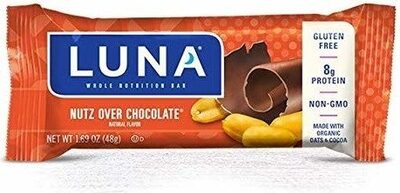
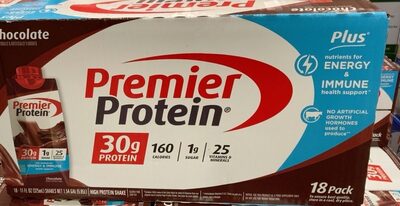
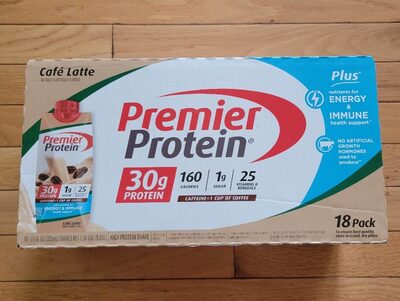
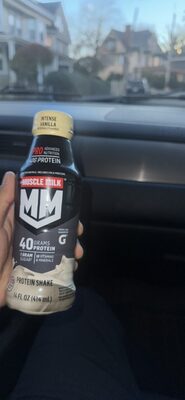
Found in 599 Products


Common Questions
Scientific References
Risk Score
- Other B vitamins (B9/folate, B12)
- Vitamin B-Complex preparations