
USA-first hubs
Jump to FDA-based guides that help shoppers understand labels and avoid major allergens.
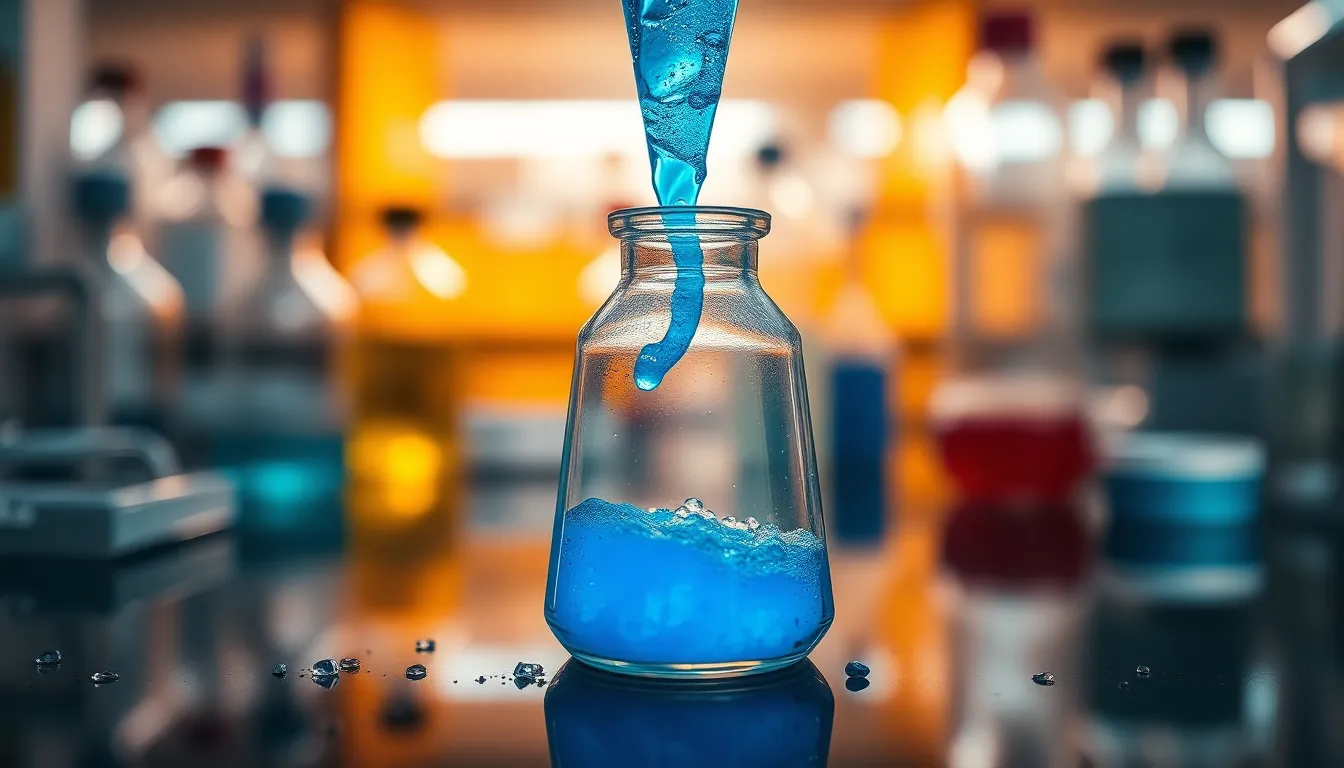
Brilliant Blue
Quick Verdict
Brilliant Blue, a vibrant synthetic dye, adds a pop of color to various food products while sparking curiosity about its origins and safety.
The Color of Fun
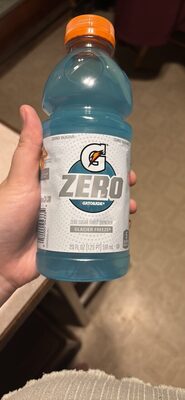
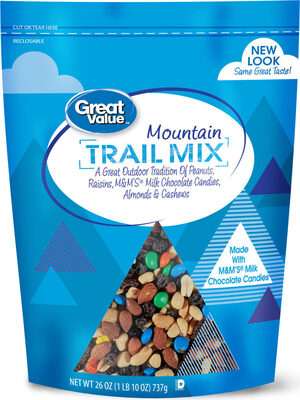
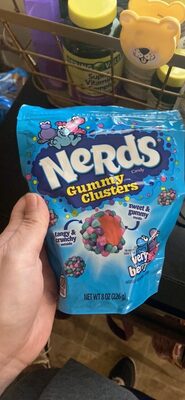
Imagine biting into a juicy candy and experiencing a burst of vibrant blue! Brilliant Blue, also known as Blue 1, is the synthetic dye that brings such joy to your taste buds. Found in over 1,173 products, including sodas and gelatin desserts, this eye-catching color is derived from coal tar, a byproduct of the petroleum industry. In its quest to color our food, Brilliant Blue has become a staple in the food industry, making treats more appealing to both kids and adults alike.
Caution in Consumption
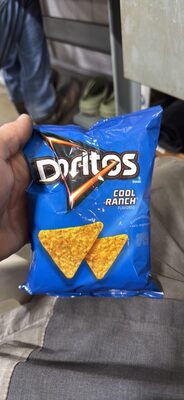
While Brilliant Blue adds visual allure to our favorite snacks, it's essential to consume it mindfully. Regulatory bodies have deemed it safe for use, but some individuals may experience sensitivities to synthetic dyes. The recommended daily limit is 6 mg per kg of body weight, so moderation is key. Foods like candies and beverages often contain this dye, making it easy to exceed that limit without realizing it. Always check labels if you're concerned about your intake!
Natural Alternatives
For those seeking a more natural route, alternatives like spirulina and beet juice offer vibrant colors without synthetic additives. Spirulina, a blue-green algae, can impart a lovely hue to smoothies and desserts, while beet juice provides a rich red shade perfect for baked goods. These natural options not only color our foods but also add nutritional benefits, making them a great choice for health-conscious consumers. Why not experiment with these alternatives in your next culinary creation?
Found in 1173 Products

Common Questions
Scientific References
Risk Score
- Spirulina
- Beet Juice