
USA-first hubs
Jump to FDA-based guides that help shoppers understand labels and avoid major allergens.
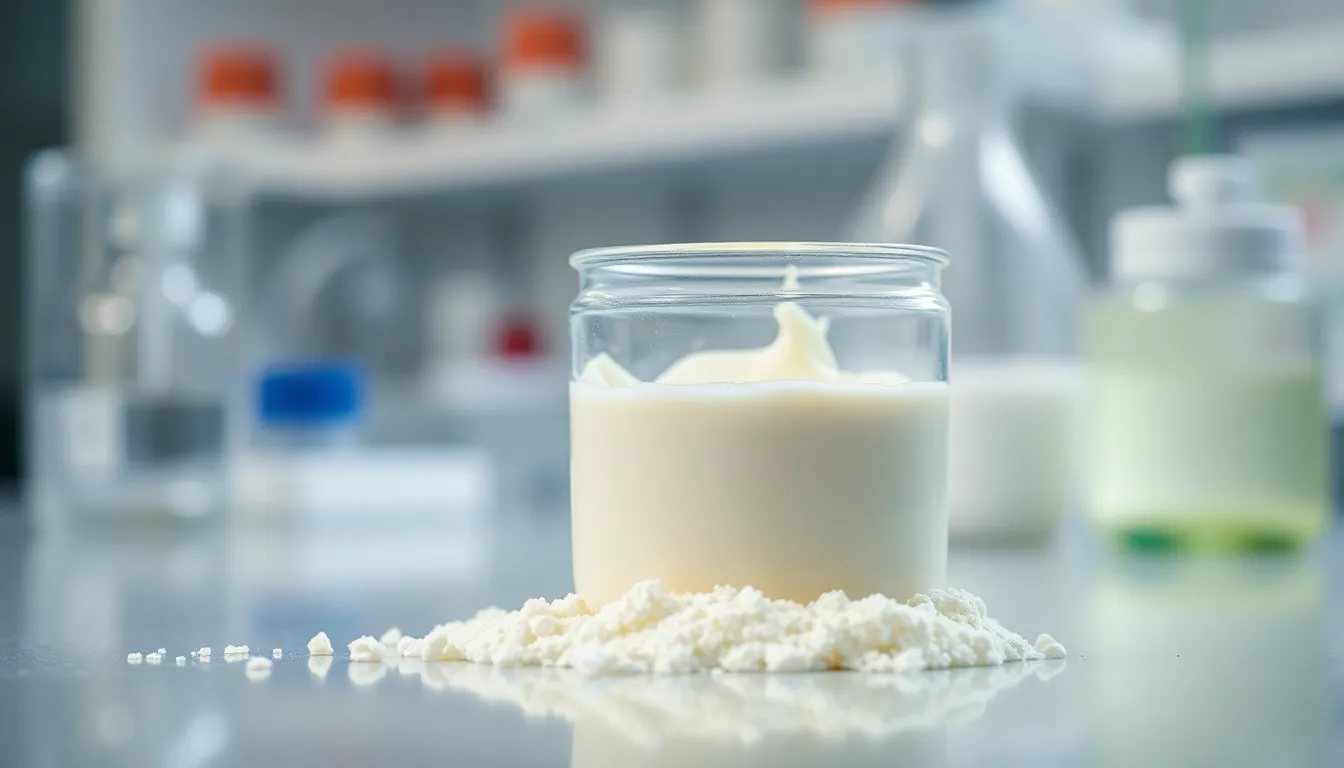
Buttermilk
Quick Verdict
Buttermilk: The creamy delight that nourishes both body and soul!
A Sip of Tradition
Once a staple in kitchens around the world, buttermilk has a rich history rooted in fermentation. Originating from the process of churning butter, this creamy liquid has transformed over centuries into a versatile ingredient. In India, you’ll find lassi, a refreshing yogurt-based drink, while in the Southern United States, buttermilk biscuits and pancakes are beloved breakfast staples. It’s not just a flavor enhancer; it’s a bridge connecting cultures through food.
Nutritional Powerhouse
Packed with probiotics, buttermilk is a boon for gut health. A single cup offers calcium, vitamins B12 and D, and riboflavin, making it an excellent addition to a balanced diet. This tangy beverage not only supports digestion but also contributes to stronger bones and a healthy immune system. Incorporating buttermilk into your meals can elevate your health while tantalizing your taste buds.
Creative Culinary Uses
Buttermilk is a culinary chameleon, seamlessly blending into various dishes. From marinating chicken for a juicy, tender bite to enriching baked goods with moisture, its uses are endless. Try it in salad dressings for a creamy twist or in smoothies for a nutritional boost. The possibilities are as vast as your imagination, ensuring that buttermilk remains a kitchen essential for both novice and seasoned cooks.
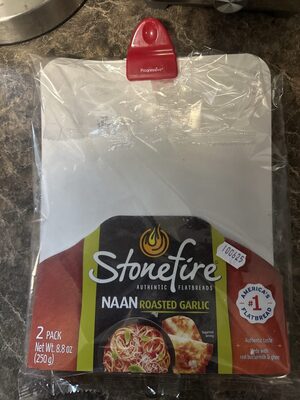
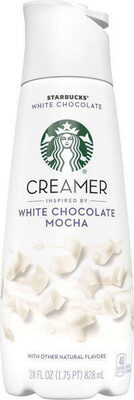
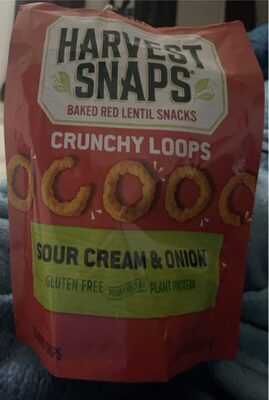
Found in 1236 Products

Common Questions
Scientific References
Risk Score
- Coconut Milk
- Almond Milk