
USA-first hubs
Jump to FDA-based guides that help shoppers understand labels and avoid major allergens.
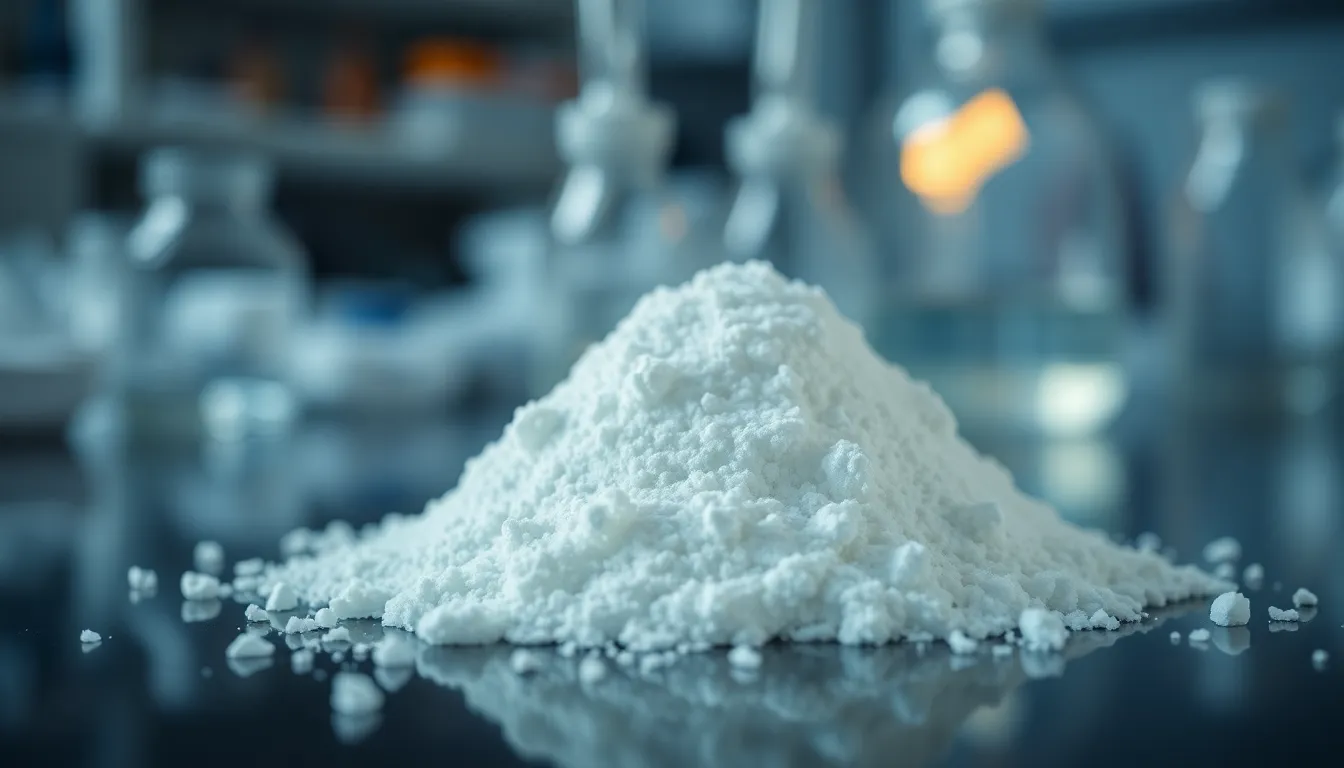
Calcium Chloride
Quick Verdict
Calcium chloride: a versatile compound that enhances food safety and texture, bridging the gap between nature and modern preservation techniques.
The Unsung Hero of Food Preservation
Calcium chloride, often overshadowed by its more famous relatives, plays a vital role in food preservation. Found in various pickled vegetables and canned goods, this compound strengthens the firmness of produce while preventing spoilage. Imagine biting into a crisp pickle—thanks to calcium chloride, that satisfying crunch is preserved. While it's synthetically produced, its function mirrors natural minerals found in foods like kale and broccoli, which also contribute to enhancing texture.
Beyond the Kitchen: Industrial Applications
Beyond culinary uses, calcium chloride serves as a de-icing agent on icy roads and is vital in the production of plastics and brine solutions. Its versatility highlights how a single compound can bridge different industries. Even in the agricultural world, it's used to improve soil structure and promote plant growth, showcasing its essential role in both food and non-food applications. It’s a reminder of how interconnected our food systems truly are.
Safety and Considerations
While calcium chloride is deemed safe for most people, caution is advised for those with specific health concerns. It’s important to monitor intake, especially in children, as excessive consumption can lead to gastrointestinal discomfort. Always check food labels to understand how much calcium chloride is present. In moderation, it enhances our food experience without compromising safety, making it a helpful ally in both home and industrial kitchens.
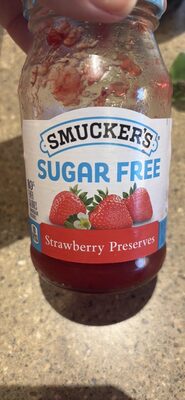
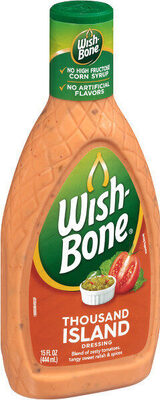
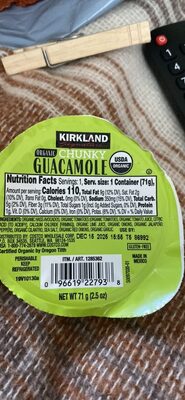
Found in 1164 Products


Common Questions
Scientific References
Risk Score
- Sea Salt
- Sodium Bicarbonate