
USA-first hubs
Jump to FDA-based guides that help shoppers understand labels and avoid major allergens.
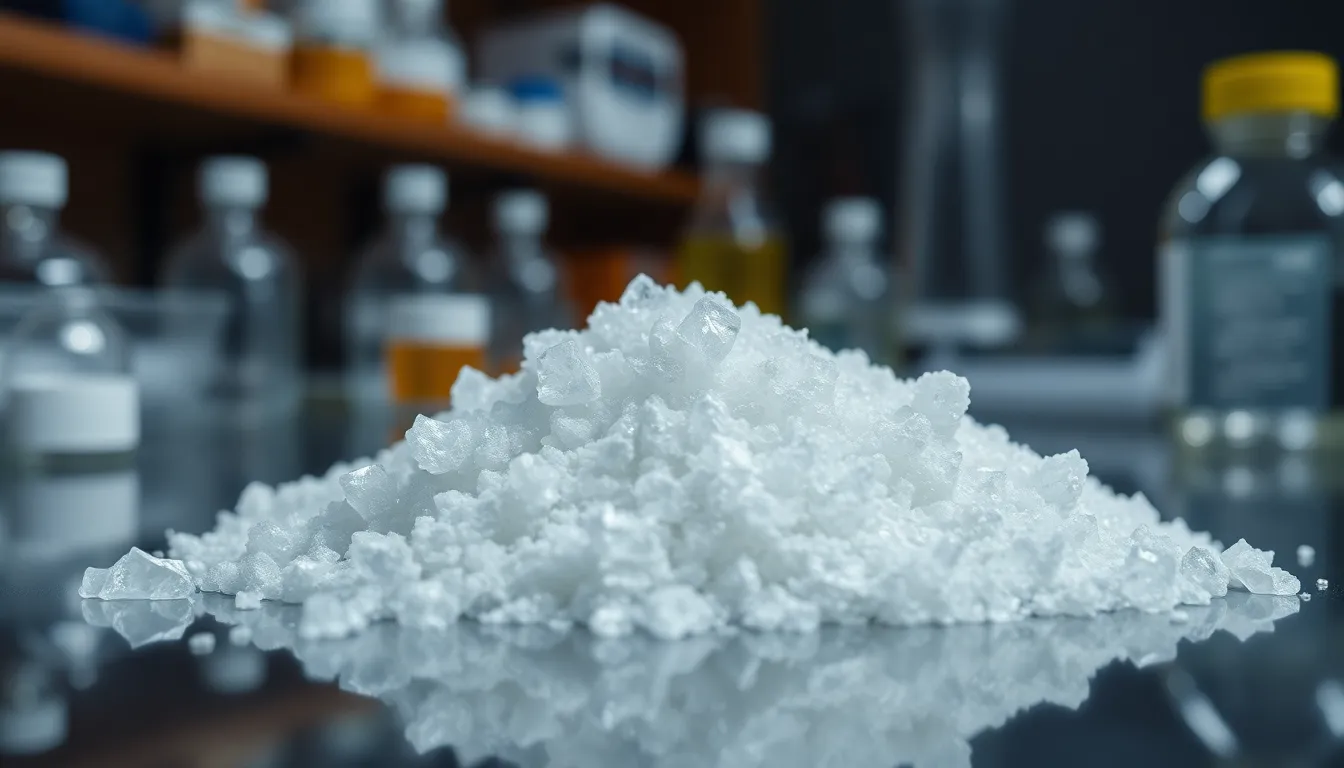
Calcium Propionate
Quick Verdict
Calcium propionate, a widely used food preservative, keeps your favorite baked goods fresh and mold-free.
The Baked Good Guardian
Imagine biting into a slice of fresh bread, free from mold and staleness. Calcium propionate is the unsung hero that makes this possible, acting as a powerful preservative in a variety of baked goods. Found in over 992 products, it ensures that your loaf stays deliciously soft and safe to eat. Derived from propanoic acid, this compound is naturally present in certain cheeses and fermented foods, bridging the gap between nature and modern food preservation.
A Dash of Science
With a phonetic pronunciation of 'kal-see-um pro-pi-oh-nate', calcium propionate functions primarily as a mold inhibitor. By preventing the growth of unwanted fungi, it significantly extends the shelf life of bread and pastries. This synthetic compound is recognized as safe by food regulatory bodies, including the FDA, ensuring that consumers can enjoy their favorite treats without worry. Its effectiveness at concentrations as low as 0.1% makes it a cost-efficient choice for manufacturers.
Beyond the Bakery
While most commonly associated with baked goods, calcium propionate's utility doesn't end there. This versatile preservative also finds its way into processed cheeses and other dairy products, enhancing their longevity. As consumers become more health-conscious, the demand for safe and effective preservatives like calcium propionate continues to grow. So, the next time you savor a slice of bread, remember the science that keeps it fresh and flavorful!
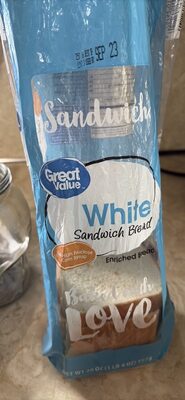
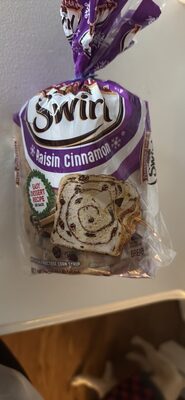
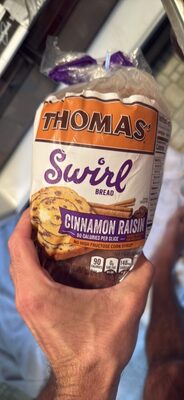
Found in 992 Products
Common Questions
Scientific References
Risk Score
- Sodium Propionate
- Potassium Sorbate