
USA-first hubs
Jump to FDA-based guides that help shoppers understand labels and avoid major allergens.
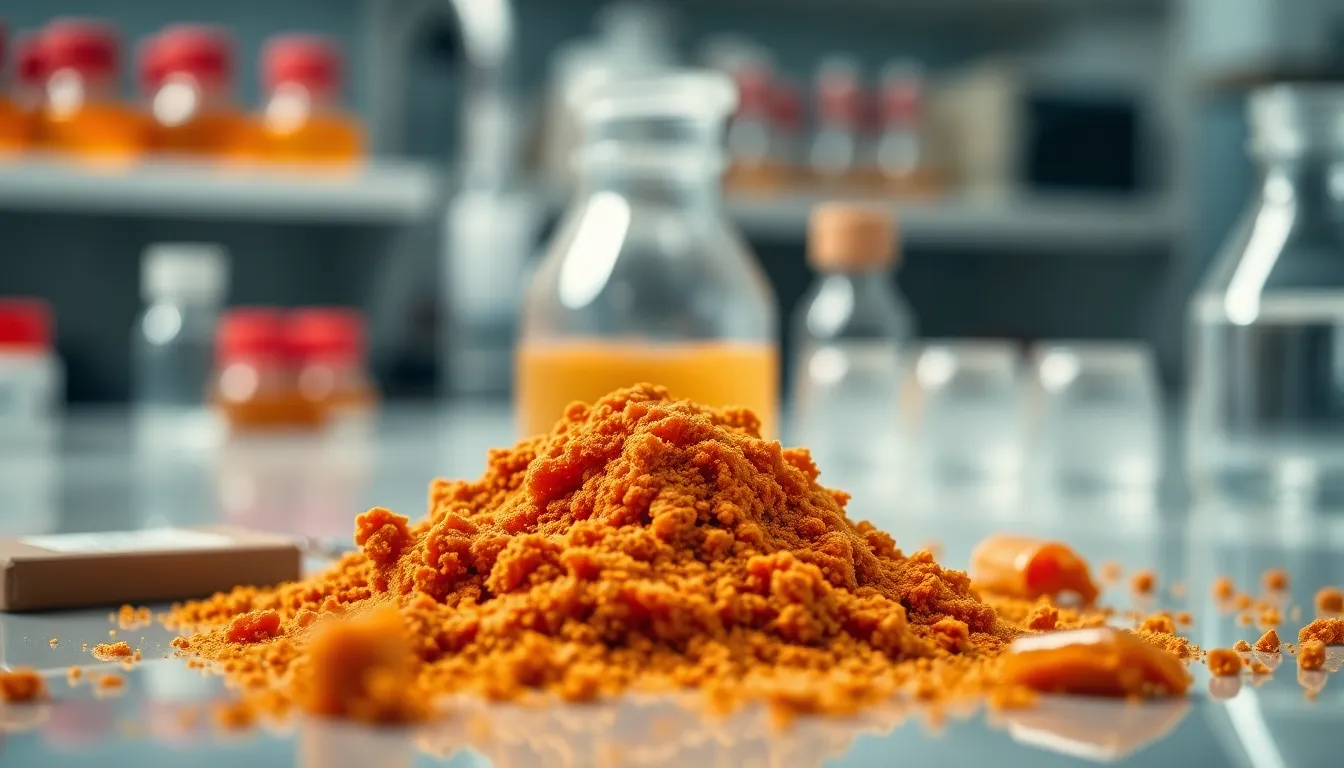
Caramel Color
Quick Verdict
Caramel color is the enchanting ingredient that transforms ordinary foods into visually captivating delights.
A Sweet History
Caramel color has a rich history, dating back to ancient times when people discovered that heating sugar could create a delightful amber hue. Traditionally made from sugar, today’s caramel color often comes from various sources, including corn syrup and molasses. Found in everything from sodas to sauces, this versatile colorant gives foods a warm, inviting appearance, making them more appealing to the eye.
From Kitchen to Industry
In the modern kitchen, caramel color plays a crucial role in food production. Beyond enhancing the visual appeal, it also adds a subtle flavor profile reminiscent of toasted sugar. You can find it in a variety of products, including bread, beer, and even desserts. Interestingly, the process of creating caramel color can involve heating sugars with acids or alkalis, resulting in a range of shades and flavors that can transform culinary creations.
The Color of Caution
While caramel color is widely used and generally recognized as safe, some consumers express concern over its potential health effects. Research suggests that certain types of caramel color may contain 4-MEI, a compound linked to health risks in large quantities. However, regulatory bodies deem it safe in moderation. As with many food additives, moderation is key, and opting for natural alternatives can be a wise choice for the health-conscious.
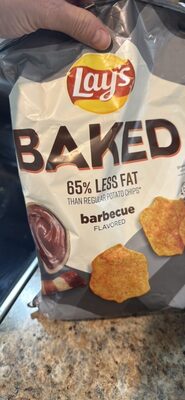
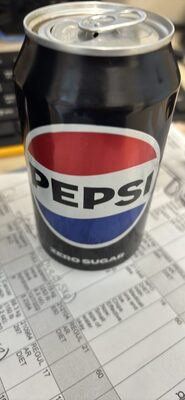
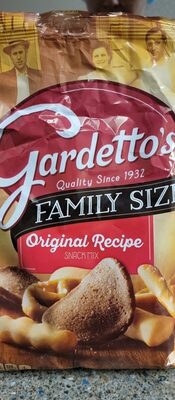
Found in 2313 Products
Common Questions
Scientific References
Risk Score
- Beet Juice
- Turmeric Extract