
USA-first hubs
Jump to FDA-based guides that help shoppers understand labels and avoid major allergens.
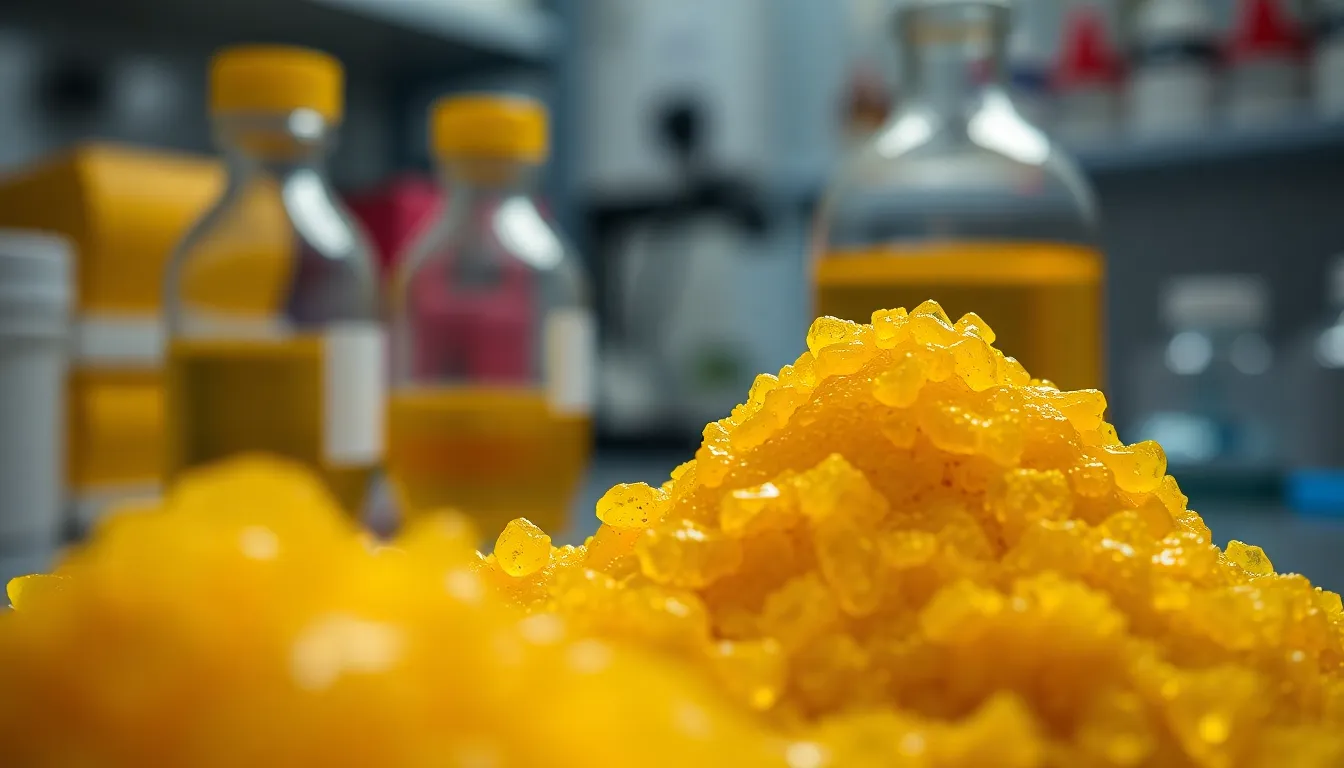
Carnauba Wax
Quick Verdict
A sun-kissed shield from the wax palm: carnauba wax is a natural, edible gloss that outfits fruit, candy, and capsules with a shimmering yet subtle sheen. Its journey from tropical leaves to grocery-store shine reads like a nature-to-table parable—quiet, grounded, and surprisingly sturdy.
Origin of the Gleam: The Palm That Keeps Its Promise
In the sunlit plains of Brazil, a hardy palm known as Copernicia prunifera stores a secret in its fronds: a natural wax that hardens into a protective shell. Harvesters carefully extract and refine this wax until it shines like pale gold. The tale from leaf to lunchbox is a quiet epic of patience and precision. Carnauba wax isn’t a flashy ingredient; it’s a practical one, born from a plant that endures dry seasons and heavy rain. In kitchens and markets, that resilience becomes a gentle guardian—granting real foods a durable gloss while preserving texture. The journey from tropical leaf to everyday bite is a small miracle of nature’s design.
Shine Without Shouting: Real Food Uses
Carnauba wax wears its badge where glossy beauty matters. You’ll find it as a edible glaze on apples, pears, and other fruits, giving them a crisp appearance that invites bite without altering flavor. It also coats chocolates, candies, and baked goods, helping surfaces resist moisture and maintain that fresh-looking sparkle. In some cases, it even coats capsules and tablets, protecting contents with a neutral sheen. The real-food connection is clear: this plant-derived film is designed to be tasteless and faintly protective, letting the natural goodness of the food speak for itself while preserving appearance on crowded shelves.
Safety, Sourcing, and Smart Substitutes
Carnauba wax is considered safe at the tiny amounts used for glazing, and it aligns with vegan and gluten-free labeling. As with any ingredient, readers should check labels if allergies or sensitivities exist. For those seeking vegan-friendly alternatives, options like candelilla wax, rice bran wax, or sunflower wax offer similar glossing properties without animal-derived sources. When enjoying produce or confections, remember the coating is a functional finish, not a flavor enhancer. If you want to know more, seek products that disclose sourcing practices and stay curious about how a plant-sourced glaze quietly supports freshness and appeal.
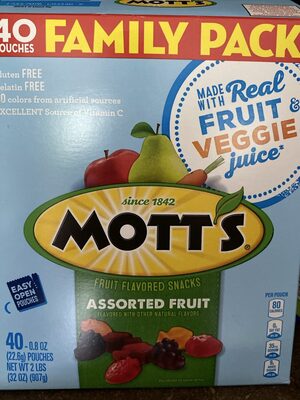
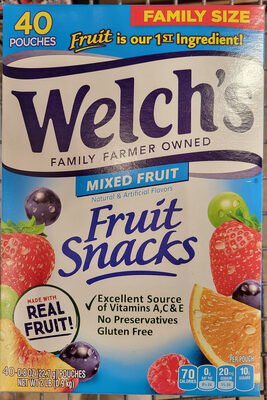
Found in 658 Products
Common Questions
Risk Score
- Candelilla Wax
- Rice Bran Wax
- Sunflower Wax