
USA-first hubs
Jump to FDA-based guides that help shoppers understand labels and avoid major allergens.
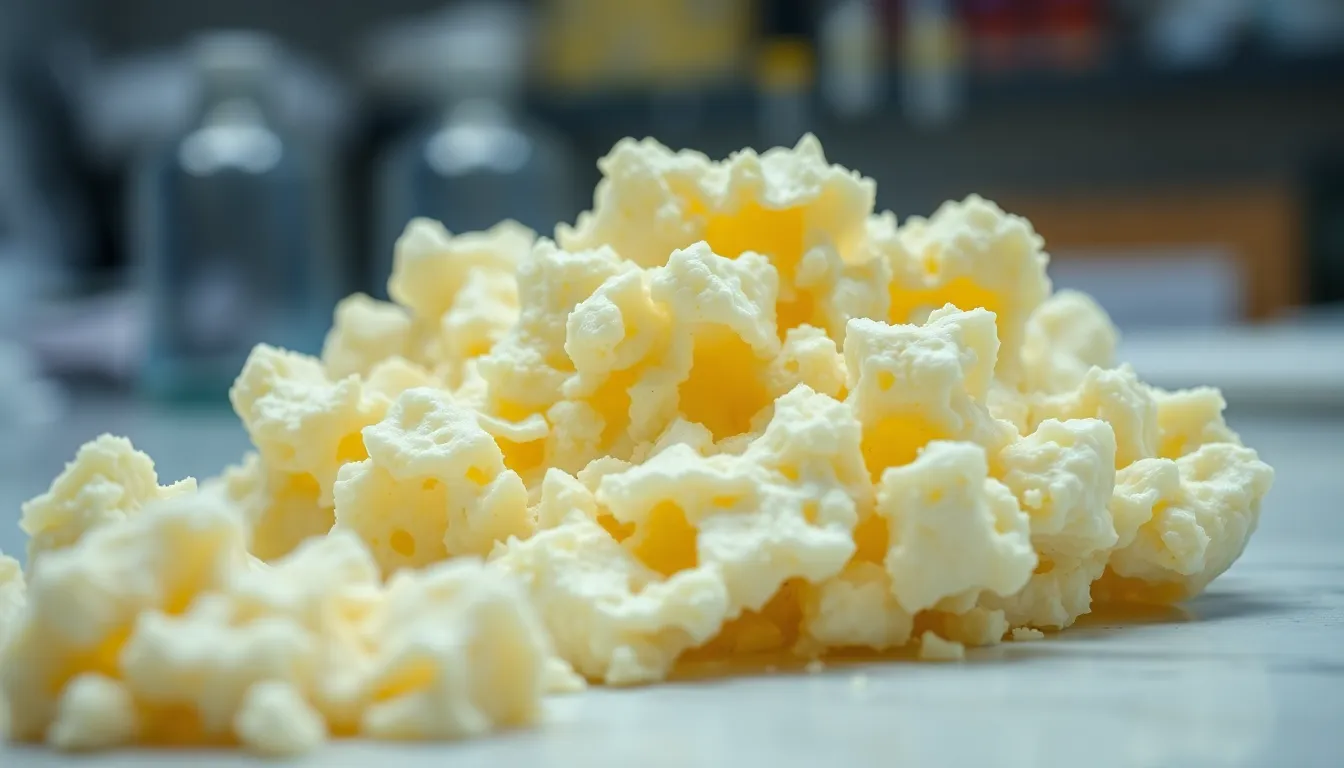
Cheese Cultures
Quick Verdict
Unlock the secret behind every delicious cheese bite with cheese cultures, the tiny heroes transforming milk into culinary masterpieces.
The Art of Fermentation
Cheese cultures are the unsung heroes in the world of dairy. These microscopic bacteria, such as Lactococcus lactis, work tirelessly to ferment lactose into lactic acid, creating the tangy flavor profile we adore. Imagine a cheese board adorned with aged Gouda or creamy Brie, each bite a testament to the magic of these cultures. Sourced from natural milk, these cultures have been used for centuries, turning humble ingredients into gourmet delights.
From Farm to Table
Cheese cultures thrive in diverse environments, from the lush pastures of Wisconsin to the artisanal cheese caves of France. They are responsible for the distinctive textures and flavors of various cheeses, like the sharpness of blue cheese or the smoothness of mozzarella. With every cheese wheel, these cultures tell a story of heritage and craftsmanship, deeply rooted in traditions passed down through generations. Each slice of cheese carries a legacy of local milk and the unique cultures that define it.
Safety and Sustainability
When it comes to cheese cultures, safety is paramount. These cultures are generally recognized as safe (GRAS) and are a staple in many beloved cheese recipes. However, those with dairy allergies should exercise caution. As the demand for plant-based diets rises, alternative cheese cultures, derived from nuts or soy, are gaining popularity, offering a dairy-free option without compromising on flavor. The future of cheese is evolving, but the role of cultures remains indispensable in creating delightful dairy experiences.
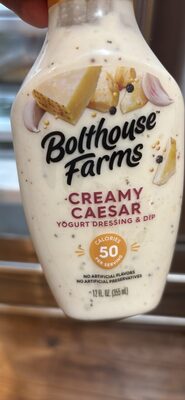
Found in 1531 Products

Common Questions
Scientific References
Risk Score
- Plant-based cultures
- Probiotic powders