
USA-first hubs
Jump to FDA-based guides that help shoppers understand labels and avoid major allergens.
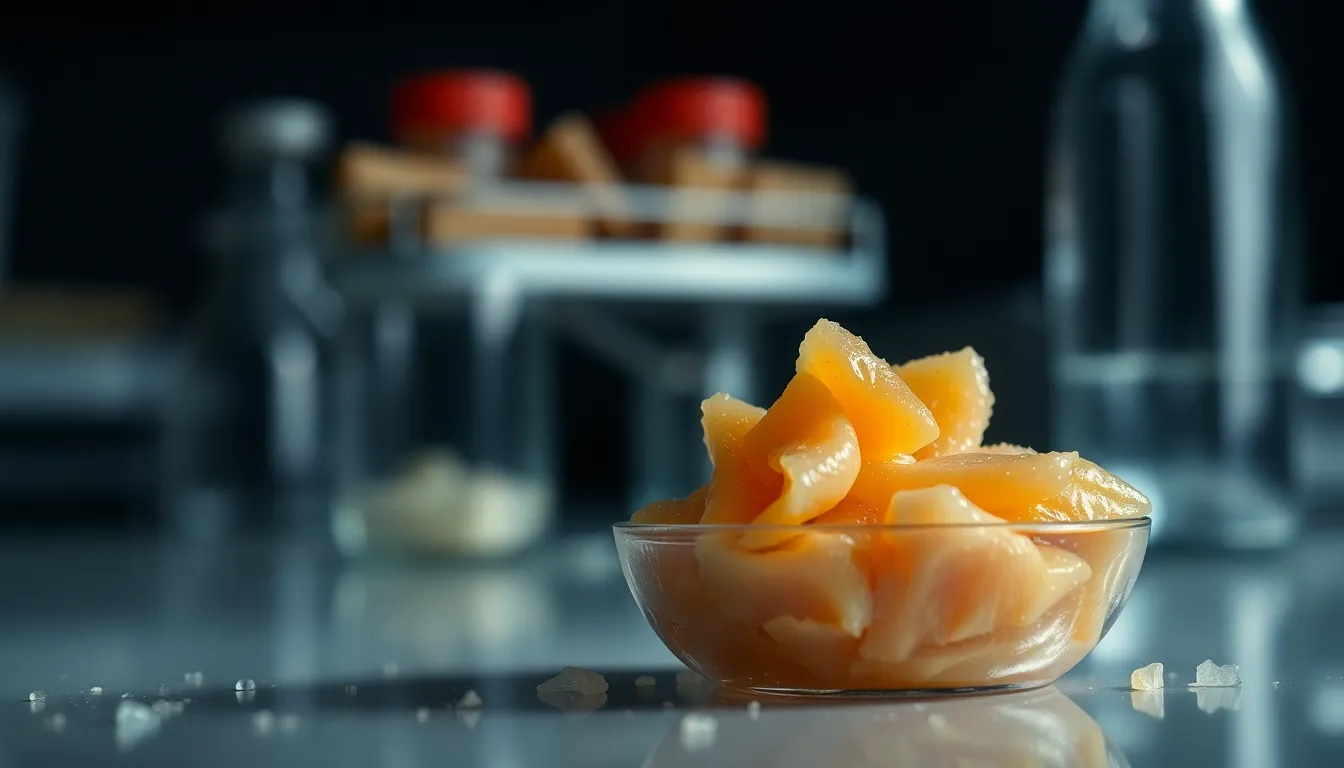
Chicken Fat
Quick Verdict
A warm, kitchen-tested profile of chicken fat that threads history, flavor, and real-world cooking into a single pan-ready story.
Origin Story: From Coop to Confident Fry
On the farm, in the heart of the kitchen, chicken fat has long carried flavor before it carried health headlines. In many homes, the fat from a roasting chicken becomes something more than grease: a memory in shimmering gold. The story begins when a cook saves the drippings, renders them over low heat, and strains out bitterness to reveal a silky, savory treasure. It travels from the pan to the pot, from soup to potatoes, a small but faithful ally in the art of reducing waste and elevating taste. This is not a modern shortcut, but a tradition—an everyday ritual of turning scraps into nourishment. REAL FOOD SOURCES—chicken skin, roast drippings, and home-rendered fat—frame the narrative.
Flavor, Function & REAL FOOD SOURCES
Flavor is the quiet star of chicken fat. When melted, it releases a gentle, poultry-sweet aroma, a canvas that carries garlic, herbs, and roasted vegetables into a dish. Nutrition-wise, it offers energy and fat-soluble vitamins modestly, when enjoyed in moderation. Real food sources like home-rendered schmaltz, or a conserved drippings from a roasted bird, can replace processed oils in some recipes, adding depth rather than relying solely on bottled flavor enhancers. It functions as a cooking fat that tolerates gentle browning and helps emulsify pan sauces. For those seeking lighter options, mix a small amount with olive oil or choose leaner proteins; but when the aim is comfort and tradition, chicken fat remains a beloved ally.
From Pan to Plate: Modern Uses & Safety
Today, home cooks and chefs sometimes rediscover Schmaltz as a way to honor tradition without sacrificing health. The key is moderation, storage, and method: render slowly, strain, and keep in a tightly sealed container in the fridge for up to a month, or freeze for longer. It has a moderate smoke point, better for medium-heat sautés rather than high-heat searing. Use it to finish potatoes, sauté onions, or enrich matzo ball soup—each bite carries a story. Contemporary kitchens also offer olive oil, ghee, or butter as alternatives. The lesson: chicken fat can be a flavorful tool when used as part of a balanced, real-food approach.
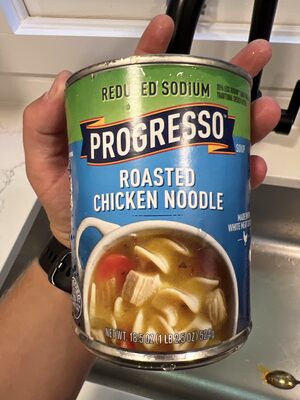
Found in 476 Products
Common Questions
Risk Score
- Olive oil
- Butter
- Duck fat