
USA-first hubs
Jump to FDA-based guides that help shoppers understand labels and avoid major allergens.
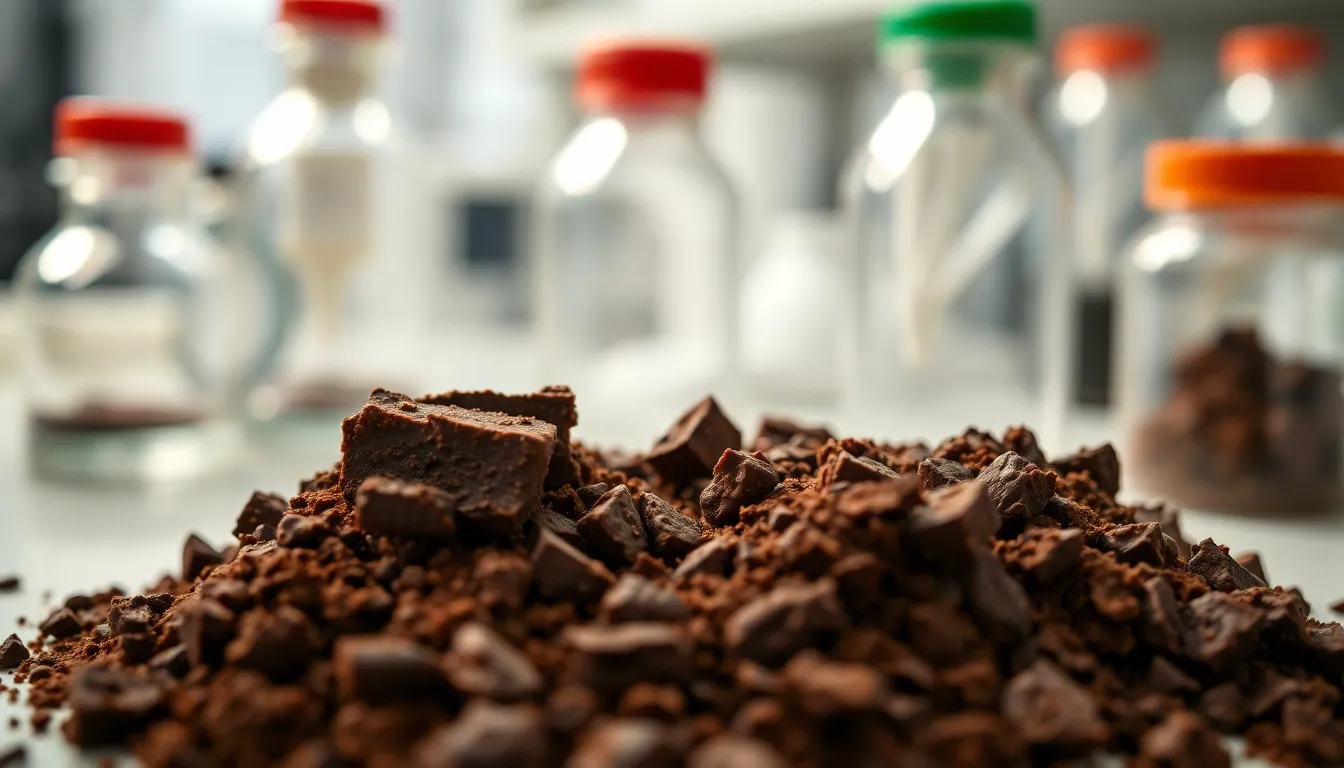
Cocoa Processed with Alkali
Quick Verdict
Discover the rich, dark world of cocoa processed with alkali—a beloved ingredient that elevates chocolate's flavor profile while sparking debates about health.
The Art of Alkalization
Cocoa processed with alkali, or Dutch cocoa, is a transformative ingredient. The Dutch discovered this method in the 19th century, treating cocoa beans with an alkaline solution to neutralize acidity. This process results in a smoother, darker cocoa powder, perfect for baking rich chocolate cakes or making velvety hot cocoa. Brands like Ghirardelli and Hershey's utilize this method in their products, bringing a taste of luxury to everyday treats.
A Flavorful Debate
While cocoa processed with alkali offers a deep flavor, its nutritional profile sparks discussion among health enthusiasts. Some argue that alkalization reduces beneficial antioxidants present in raw cocoa. However, its smooth texture and enhanced taste make it a favorite for desserts. Think of the luscious brownies or a cup of hot cocoa enjoyed on a winter evening—comfort food at its finest, crafted with this unique cocoa.
Balancing Enjoyment and Health
In moderation, cocoa processed with alkali can fit into a balanced diet. While it's a delightful ingredient in chocolate bars and baked goods, it's essential to be mindful of sugar and calorie content. Pairing it with healthier ingredients, such as whole grains or plant-based milks, can create indulgent yet nutritious treats. Enjoying a tablespoon or two in a recipe allows you to savor chocolate's rich allure without overindulging.
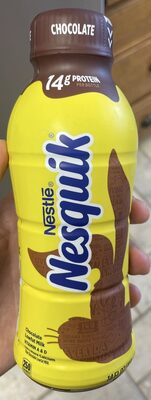
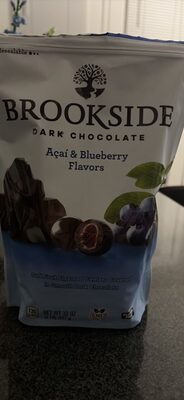
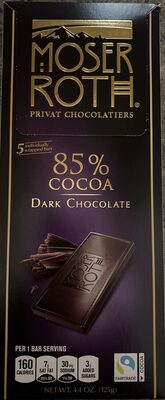
Found in 671 Products



Common Questions
Scientific References
Risk Score
- Raw Cocoa Powder
- Carob Powder