
USA-first hubs
Jump to FDA-based guides that help shoppers understand labels and avoid major allergens.
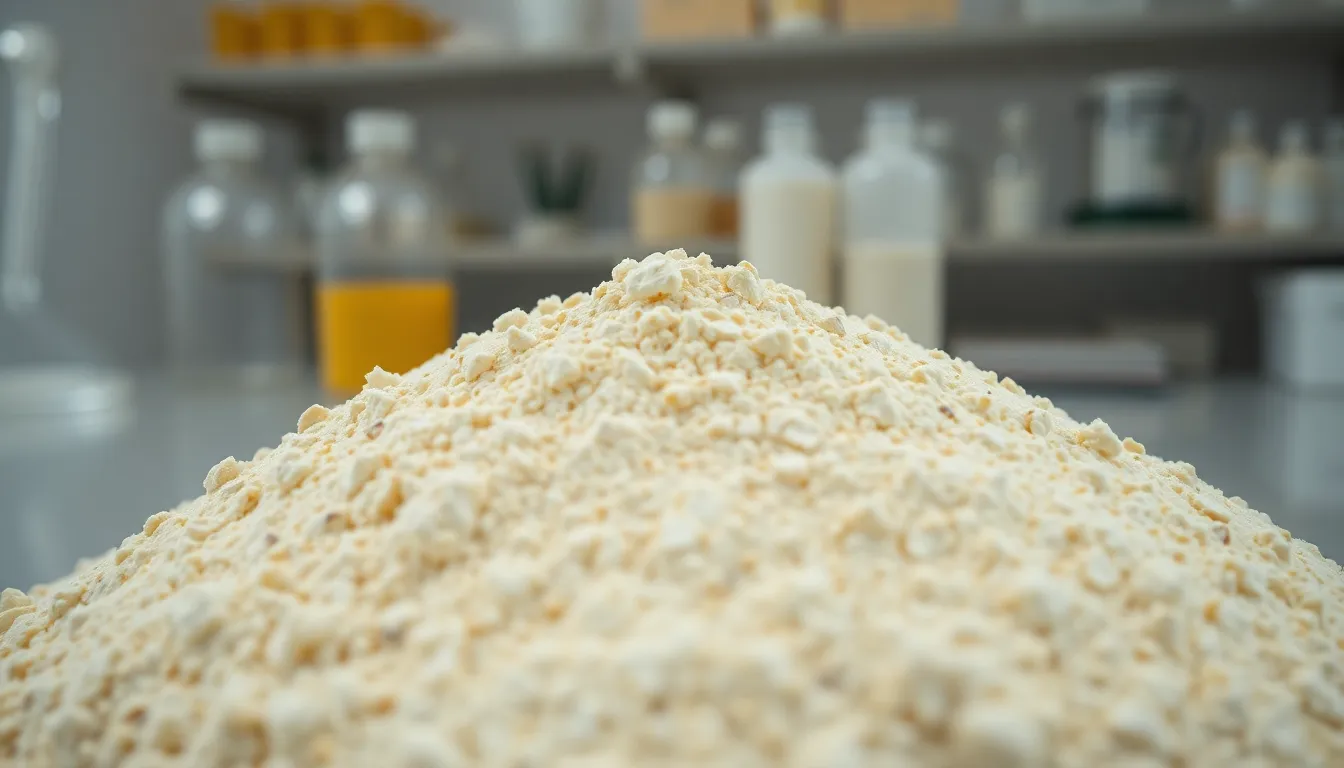
Corn Flour
Quick Verdict
From field to pantry, this gluten-free staple transforms real corn into countless comforting meals, tying farm soil to family tables.
From Ear to Pantry: The Corn Flour Chronicle
On a sunlit afternoon, a farmer harvests golden ears of Zea mays, the kernels humming with starch and sweetness. In the mill, the ears tumble into stone grinders, and the air fills with the gentle, wheaty scent of a different grain entirely. What emerges is corn flour: a pale, familiar powder born of real food, not a lab’s invention. This flour travels to kitchens where grandmothers teach young cooks to make tortillas, polenta, and skillet breads, showing how a single kernel can become the backbone of both humble soups and celebratory desserts. Its journey—from field to family table—embodies the quiet magic of traditional, honest ingredients.
Real Food Sources & Family Pantry Staples
Though corn flour is a pure product, it borrows its energy from nearby real foods. The maize plant feeds on soil, sun, and rain; its kernels become masa harina for tortillas, cornmeal for breading, and polenta for comforting meals. In the pantry, corn flour pairs with beans, chiles, avocados, and tomatoes—true food sources you’d recognize on a plate. When you read a label, you’re looking at a powder that preserves the flavor of corn's sweetness: a naturally gluten-free option that still carries the grain's delicate starch. In a world of ultra-processed ingredients, corn flour remains a bridge between farm fields and flavorful, real-food meals.
Kitchen Alchemy: Uses, Texture, and Health
Inside bowls and skillets, corn flour thickens soups, binds batters, and lends a gentle sweetness to baking. It’s a gluten-free friend for those avoiding wheat, though cross-contamination in mills means the warning label matters. In the home kitchen, a typical use is thickening with 1-2 tablespoons per cup of liquid; for baking, corn flour can feature in gluten-free blends, often alongside other flours and binders to replicate structure. When stored sealed in a cool, dry place, corn flour stays fresh for months. In daily life, real food is the star: corn flour happily works with beans, peppers, and corn on the cob. A pinch can brighten soups or tenderize fritters.
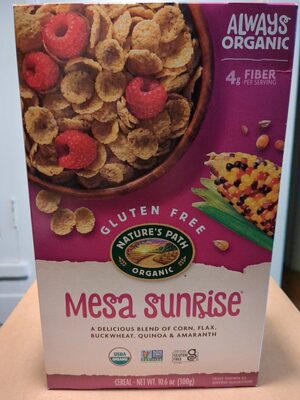
Found in 1218 Products
Common Questions
Risk Score
- Almond flour
- Rice flour
- Corn starch (starch)