
USA-first hubs
Jump to FDA-based guides that help shoppers understand labels and avoid major allergens.
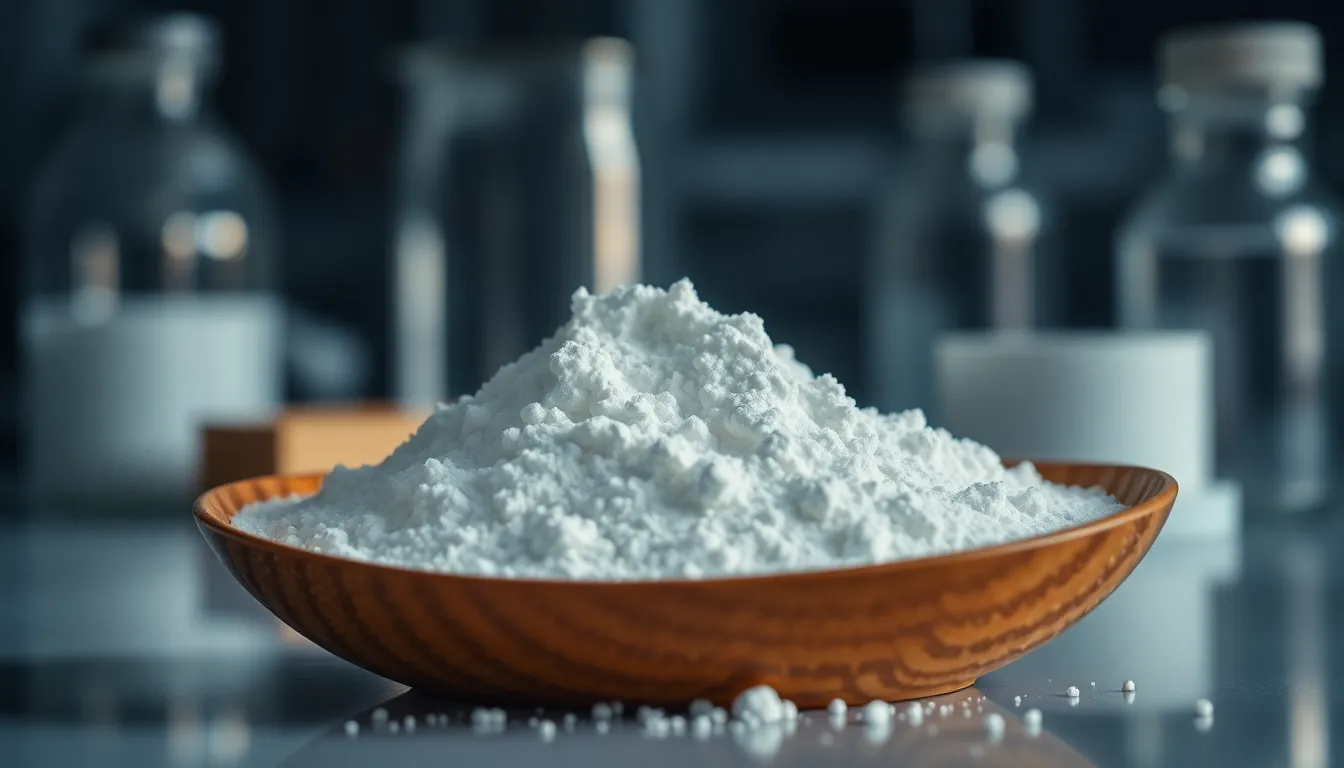
Cornstarch
Quick Verdict
Cornstarch: the unsung hero of your kitchen, transforming everyday dishes into culinary delights!
The Magic Thickener
Cornstarch, derived from the starchy endosperm of corn kernels, is a kitchen staple. It’s most commonly used to thicken sauces, soups, and gravies. Imagine pouring a rich, velvety gravy over mashed potatoes, all thanks to cornstarch’s ability to create that perfect texture. Not only does it enhance flavors, but it also provides a glossy finish, making dishes visually appealing.
A Versatile Ingredient
Beyond thickening, cornstarch finds its way into a variety of recipes. From lightening baked goods to creating crispy coatings for fried foods, its versatility is unmatched. You might find it in corn tortillas, puddings, and even some candies. The next time you enjoy a slice of cornstarch-based cheesecake, remember this humble ingredient is working hard to elevate your dessert experience!
Health Considerations
While cornstarch is generally safe for consumption, moderation is key. It’s calorie-dense and lacks essential nutrients, so balance is important. For those with dietary restrictions, fear not—cornstarch is naturally gluten-free and vegan. However, if you’re looking for alternatives due to health concerns, consider arrowroot powder or tapioca starch, which offer similar thickening properties.
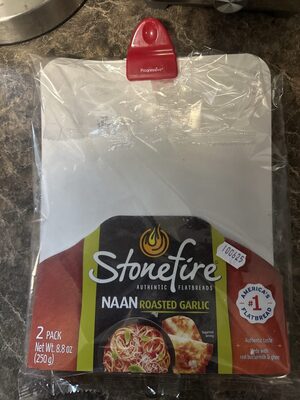
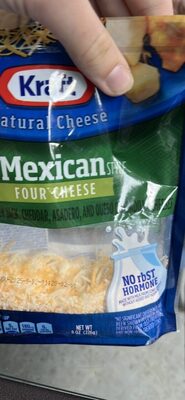
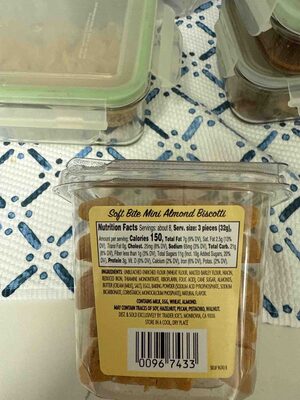
Found in 1712 Products


Common Questions
Scientific References
Risk Score
- Arrowroot Powder
- Tapioca Starch