
USA-first hubs
Jump to FDA-based guides that help shoppers understand labels and avoid major allergens.
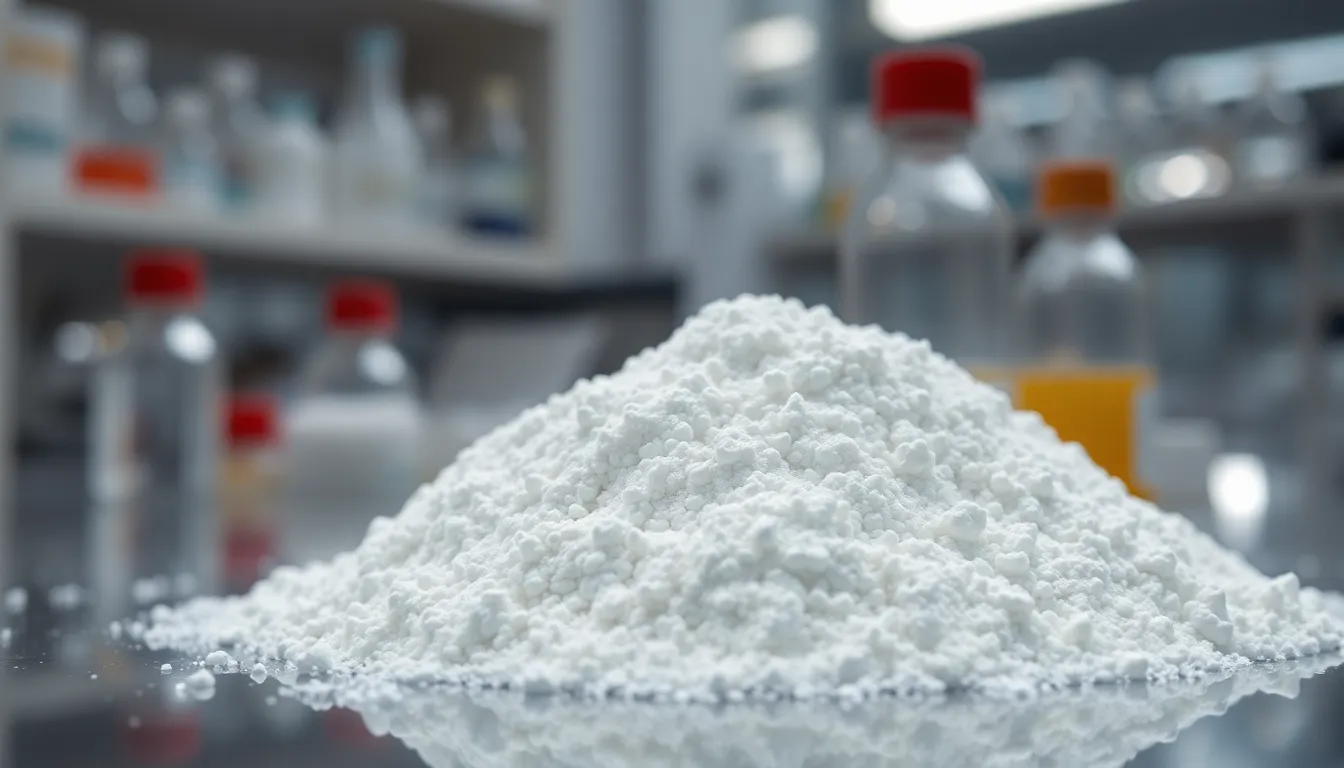
Disodium Phosphate
Quick Verdict
A pantry-friendly stabilizer with a quiet MVP role: it tames acidity, keeps textures consistent, and helps recipes behave—often tucked away in everyday favorites.
Pocket-Sized Stabilizer: A Quiet Kitchen Hero
On a sunny Tuesday in a family-run bakery, a little container labeled Disodium Phosphate sits beside jars of salt and sugar. The narrator, a curious home cook, learns that this white powder isn’t a flavor booster but a texture manager. It smooths sauces, stabilizes cheeses, and helps canned soups keep their creaminess even when reheated. Real foods in which you might find it include processed cheese slices, canned soups, and instant mashed potatoes. These everyday favorites rely on tiny amounts to keep things from separating or clumping. The story isn’t about a flashy ingredient, but about a dependable workhorse that keeps meals consistent from package to plate.
From Lab Bench to Dinner Plate
In the science corner of the kitchen, Disodium Phosphate explains itself with a simple function: buffering acidity and binding water. That means it helps water stay in foods during freezing and cooking, preventing soggy textures or color changes. You’ll encounter it most in products designed for convenience—frozen meals, lunch meats, and baked-goods mixes—where uniform texture matters. Real food sources aren’t plants or animals here; the additive is synthesized and then integrated into recipes to harmonize ingredients. The lesson is practical: a dash of chemistry keeps the familiar mouthfeel you expect from your go-to brands.
What to Know Before the Next Grocery Scan
Health notes arise where phosphorus from additives adds up. Disodium Phosphate is generally considered safe in typical dietary amounts, but those with kidney disease or phosphorus concerns should monitor intake. The substance is vegan and gluten-free, and it’s commonly used within regulatory limits to stabilize moisture and texture. If you’re curious about everyday eating, look for it in processed cheeses, canned soups, and certain instant mixes. The key takeaway: it’s a reliable tool for manufacturers, not a flavor driver—so your enjoyment comes from the overall dish, not the subtle saltiness of this helper.
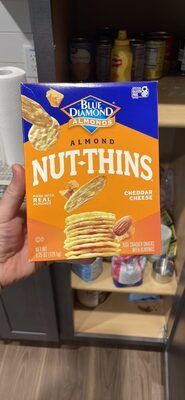
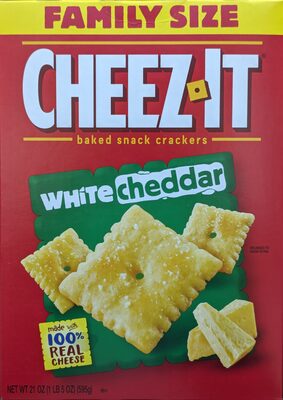
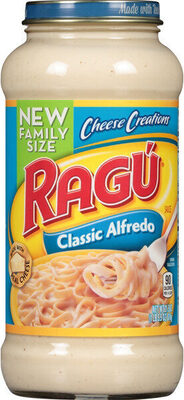
Found in 514 Products

Common Questions
Risk Score
- Potassium phosphate
- Calcium phosphate