
USA-first hubs
Jump to FDA-based guides that help shoppers understand labels and avoid major allergens.
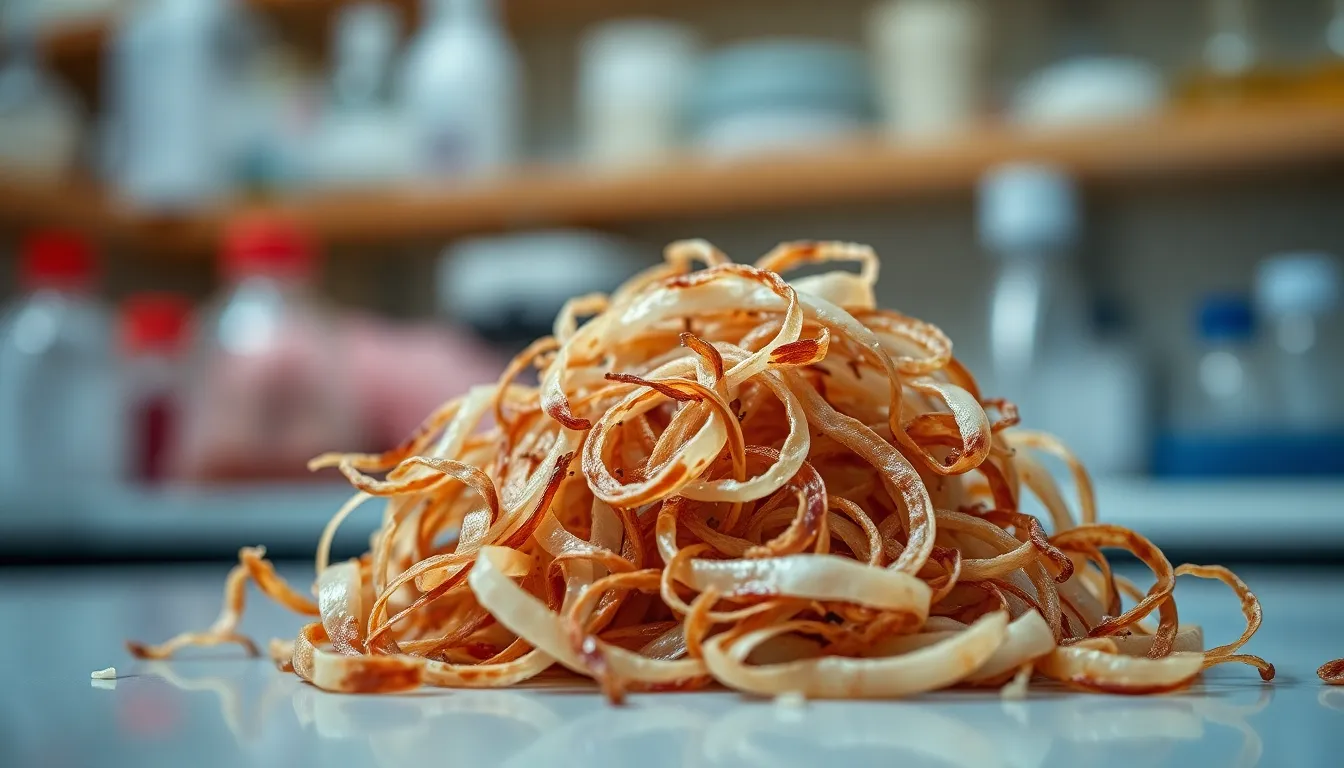
Dried Onion
Quick Verdict
A pantry storyteller that preserves a garden’s bite in a jar, dried onion turns field harvests into weeknight flavor with minimal fuss.
Field to Jar: The Dried Onion Chronicle
On a sunlit field, onions ripen and glow before harvest. Farmers lift the bulbs, wash away the soil, and send them to a warm drying shed. The gentle heat pulls out moisture, locking in the garden’s sulfur-rich magic—the same bite that fills your sauces with character. When you crack open a jar of dried onion, you’re unsealing a capsule of REAL FOOD SOURCES: the humble onion moved from soil to pantry, carrying notes of garlic, leek, and pepper in its wake. The flakes and shards slip easily into soups, stews, rubs, and dressings, delivering depth without hours at the stove. It’s a storyteller’s shortcut that respects the harvest’s memory.
Pantry Poetics: Real Food Sources, Real Flavor
In kitchens across the country, cooks reach for dried onion to coax warmth from a dish in minutes. A pinch elevates bone broth, a splash tightens a tomato sauce, a sprinkle seasons a bowl of beans. Yet the magic begins with REAL FOOD SOURCES: sliced onions drying in batches, sunlight turning them into powder, flakes, and shards. This pantry staple concentrates the vegetable’s sweetness and savory sting, offering consistent flavor even when fresh onions aren’t in season. It works well with garlic, thyme, carrots, and bell peppers—shelf companions that tell the same wholesome story without waste. Storage matters: keep it in an airtight jar away from light so the aroma stays bright.
Flavor with Confidence: Safety, Uses, and Tips
Beyond flavor, dried onion is a pragmatic upgrade for cooks and families. It comes from natural onions, dried and milled; no artificial binders needed when you choose single-ingredient versions. In terms of safety, it’s vegan, gluten-free, and widely tolerated, though a few people with allium sensitivities should use it sparingly. Always check labels for salt or spices that might raise sodium. Pair with REAL FOOD SOURCES like fresh onions, garlic, and herbs to balance intensity and nutrition. Use within six months for best aroma; discard if clumped or rancid. For everyday meals, a little goes a long way, delivering depth without overpowering the dish.
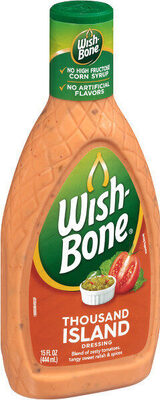
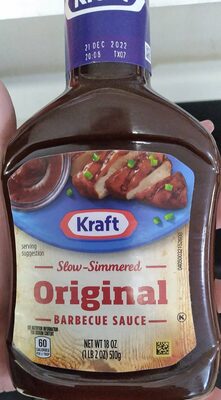
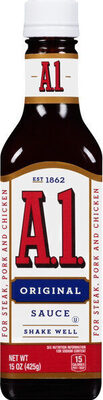
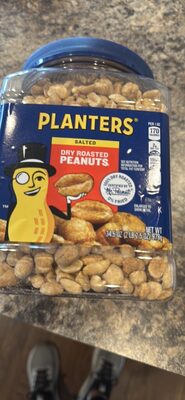
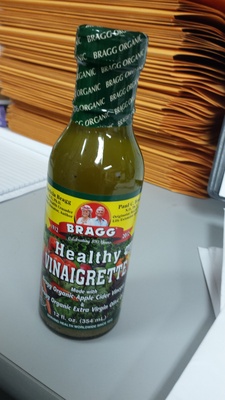
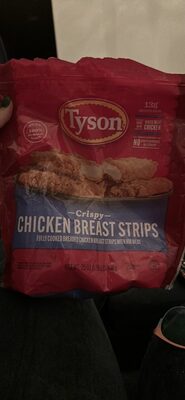
Found in 614 Products
Common Questions
Risk Score
- Fresh onions
- Onion powder (single-ingredient)
- Shallots
- Leeks