
USA-first hubs
Jump to FDA-based guides that help shoppers understand labels and avoid major allergens.
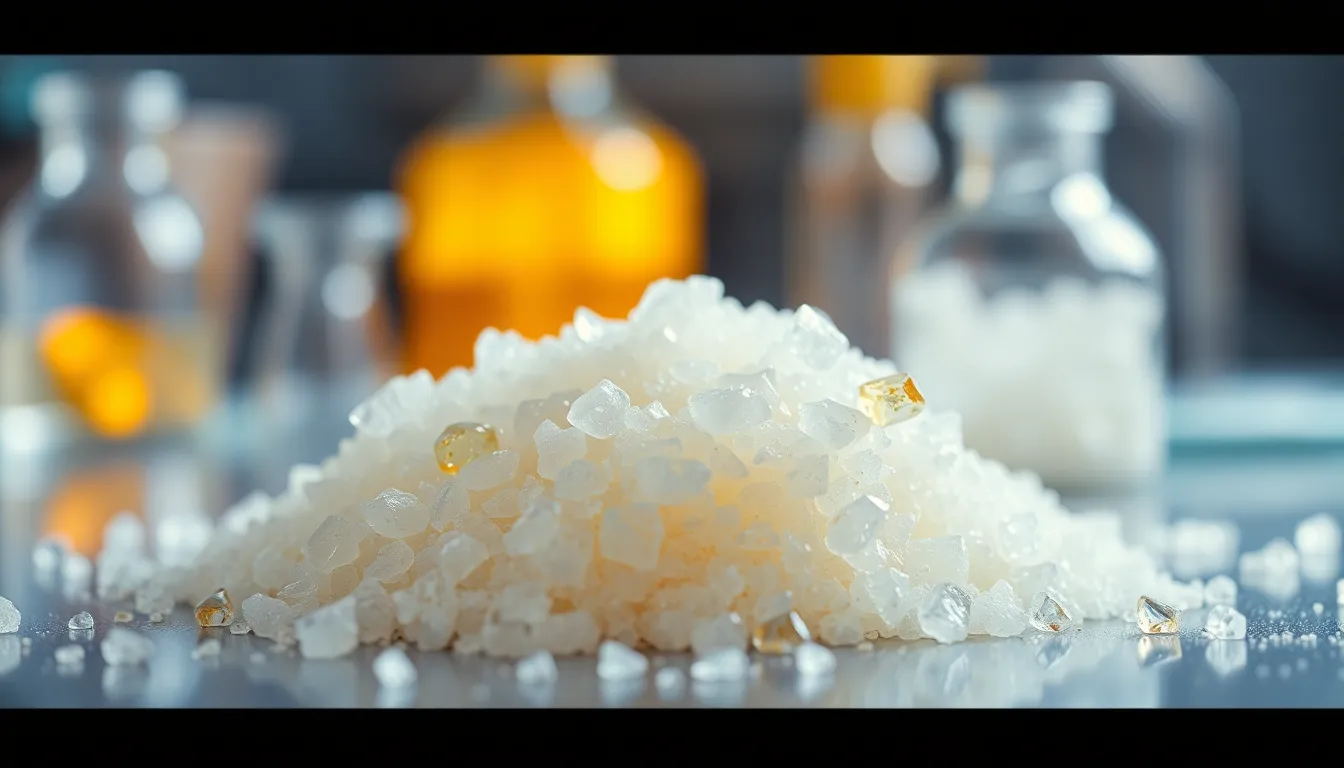
Fructose
Quick Verdict
Fructose, the sweet sugar found in fruits, brings both flavor and health benefits, but moderation is key.
The Sweetest Secret of Nature
Fructose, a simple sugar, is nature's sweet gift, found abundantly in fruits like apples, pears, and honey. Imagine biting into a juicy pear—sweetness floods your senses, thanks to fructose. Its sweetness is about 1.5 times that of sucrose, making it a popular choice in sweeteners. Fructose not only delights our taste buds but also fuels our bodies with quick energy. However, its natural sources are where the magic lies—whole foods provide vitamins and fiber, enhancing overall health.
The Fine Line of Moderation
Though fructose is a natural sugar, moderation is essential. Overconsumption, especially from processed foods containing high-fructose corn syrup, can lead to health issues like obesity and insulin resistance. Balancing your diet with whole fruits, which provide fiber and nutrients, helps mitigate these risks. Think of a vibrant fruit salad—each bite offers not just sweetness but also a treasure trove of health benefits. Enjoy fructose from its real sources, and your body will thank you!
Fructose in Your Daily Diet
Incorporating fructose into your diet can be delicious and healthy when done right. A medium banana has about 5g of fructose, while a cup of strawberries contains roughly 7g. These fruits not only satisfy your sweet tooth but also provide antioxidants and essential vitamins. Aim for whole fruit servings rather than juices or processed snacks. This way, you can enjoy the sweetness of fructose while reaping the benefits of fiber and hydration—keeping your diet balanced and nutritious.
Found in 2708 Products






Common Questions
Scientific References
Risk Score
- Sucrose
- Glucose