
USA-first hubs
Jump to FDA-based guides that help shoppers understand labels and avoid major allergens.
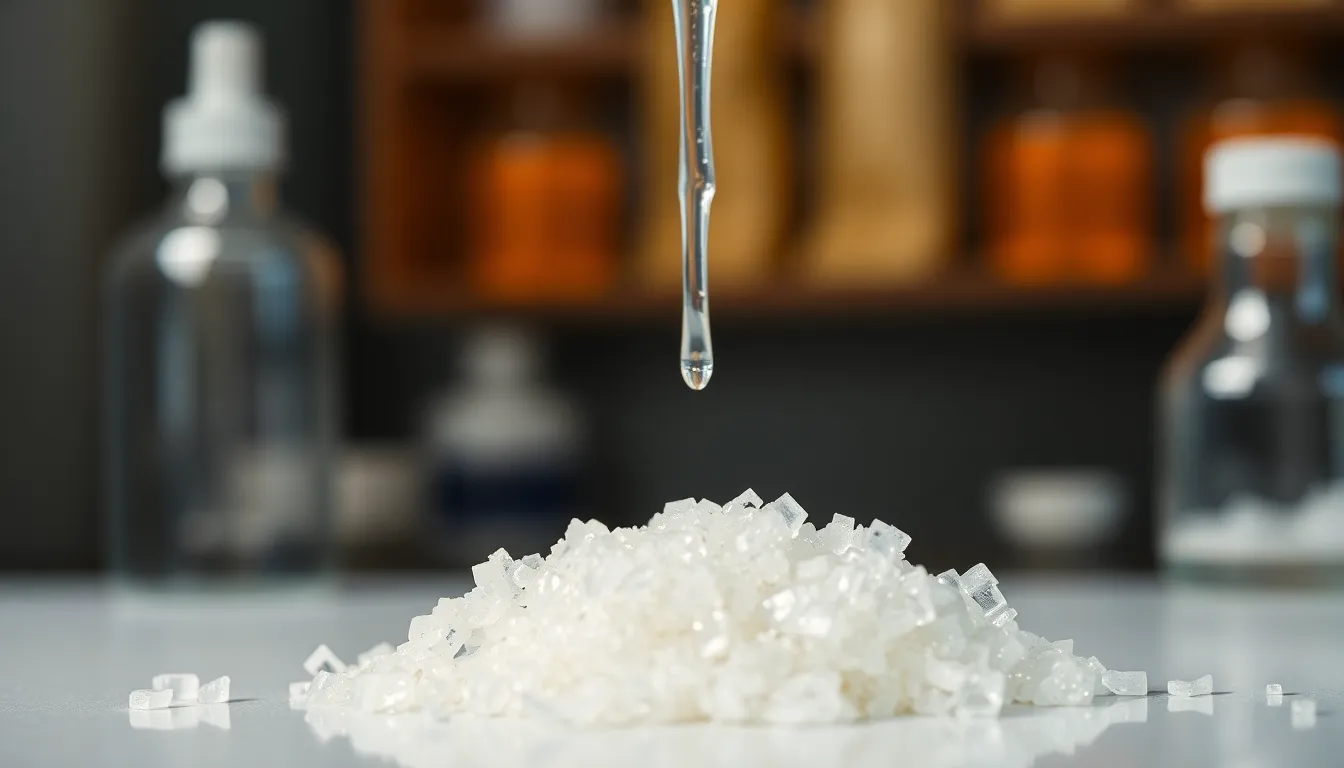
Gellan Gum
Quick Verdict
From thickening sauces to creating vegan delights, gellan gum is a versatile ingredient that plays a pivotal role in modern food production.
The Origins of Gellan Gum
Born from the depths of nature, gellan gum is derived from the fermentation of a specific bacterium, Sphingomonas elodea. Initially discovered in the 1970s, it quickly gained popularity for its ability to gel liquids. This natural polysaccharide can be found in a variety of foods, including jellies, sauces, and even dairy alternatives. Its journey from laboratory to kitchen showcases the beauty of scientific innovation in delivering food textures that delight the palate.
Gellan Gum in Everyday Food
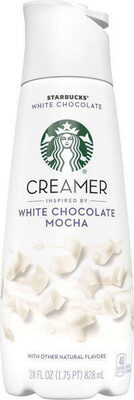
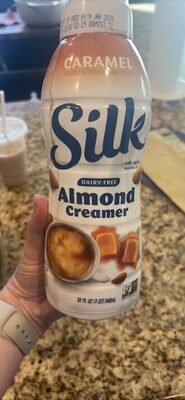
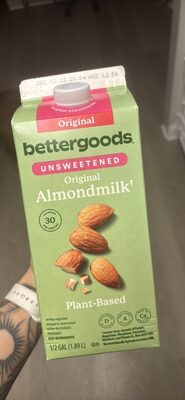
Imagine biting into a luscious, fruity jelly or savoring a creamy, plant-based yogurt. Gellan gum plays a crucial role in achieving these textures. Found in over 628 products—ranging from salad dressings to vegan desserts—it's a staple for those seeking plant-based options. The gum provides stability and enhances mouthfeel, making it a favorite among chefs and food manufacturers. In your local grocery store, gellan gum is often listed as a key ingredient, subtly improving the foods you love.
The Science Behind Gellan Gum
What makes gellan gum so effective? At its core, this ingredient forms a gel when combined with water, creating a stable matrix that holds ingredients together. Its unique properties allow it to gel in a wide range of temperatures, making it versatile for various recipes. The science behind gellan gum ensures that it can be used in low-calorie foods while still maintaining texture and stability, proving that health-conscious eating can be delicious!
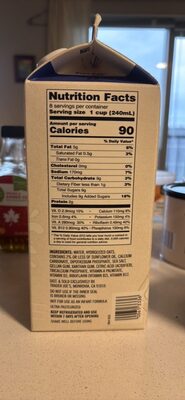
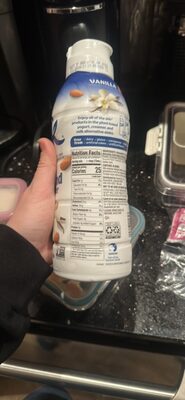
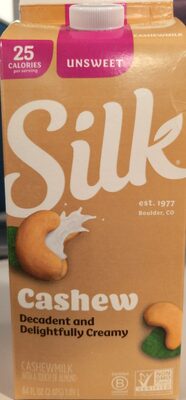
Found in 628 Products
Common Questions
Scientific References
Risk Score
- Agar-Agar
- Xanthan Gum