
USA-first hubs
Jump to FDA-based guides that help shoppers understand labels and avoid major allergens.
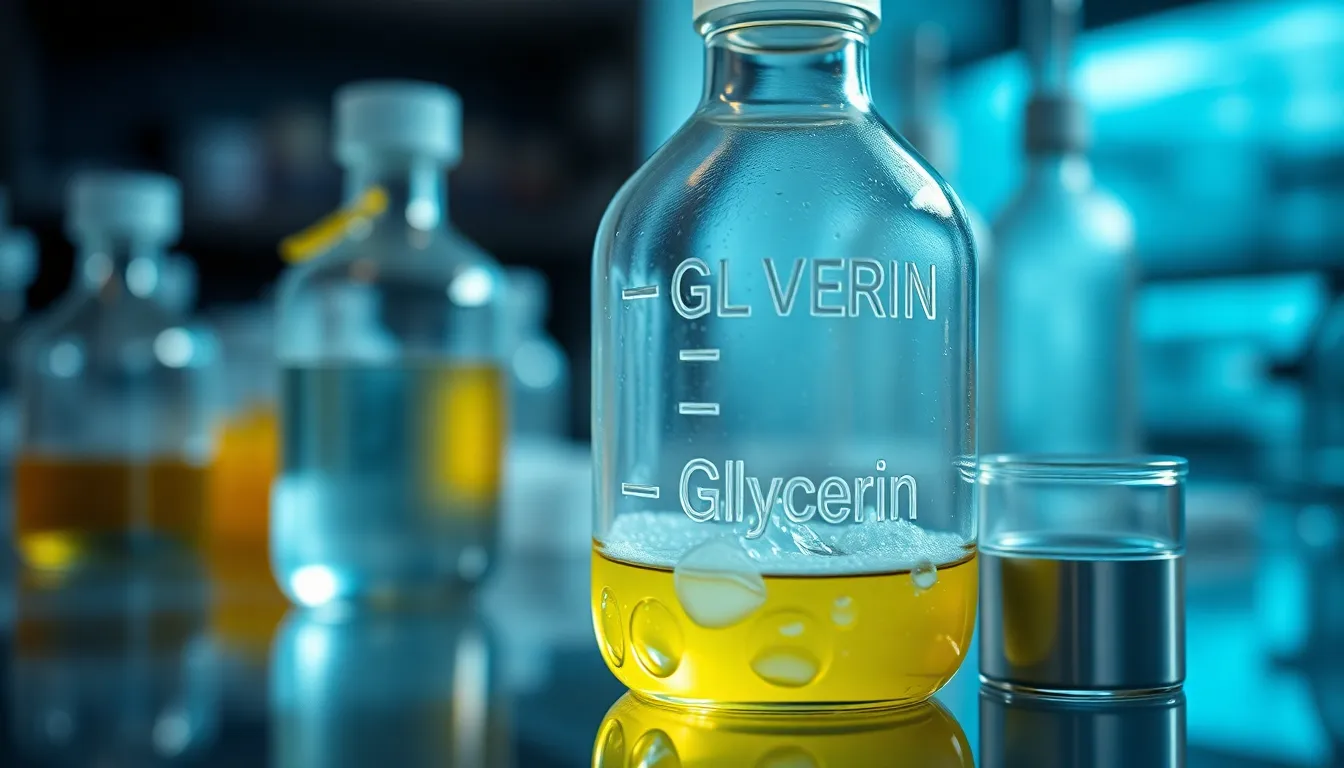
Glycerin
Quick Verdict
Glycerin: the secret ingredient that keeps your food moist and your skin radiant!
The Sweet Side of Glycerin
Imagine biting into a piece of moist carrot cake, the sweetness enveloping your taste buds. Glycerin, often derived from vegetable oils like palm or soy, plays a crucial role in maintaining that delightful texture. This sweet, syrupy liquid not only enhances flavors but also acts as a humectant, locking in moisture and keeping baked goods fresh longer. Found in an astounding 1482 products, from candies to skincare, glycerin is a versatile ingredient with a rich history dating back to the 18th century.
Nature’s Moisture Magnet
Glycerin is a natural byproduct of soap making, but it also occurs in many foods. You can find it in avocados, sweet potatoes, and even in the fat of animal tissues. This multi-talented compound is like a sponge for moisture, which is why it’s a favorite in both culinary and cosmetic industries. Ever wonder why your favorite lotion feels so silky? Glycerin is likely to thank for that velvety touch, drawing moisture from the air to keep your skin hydrated and luminous.
Safety and Sustainability
With a low risk score of 2, glycerin is deemed safe for most consumers, including children. Its vegan-friendly nature makes it an attractive alternative to animal-derived humectants. However, moderation is key; the average daily limit is around 10g. While glycerin is primarily sourced from plants, synthetic versions exist. Always check labels if you’re concerned about sourcing, but rest assured that in most cases, this ingredient is a green light for your health.
Found in 1482 Products


Common Questions
Scientific References
Risk Score
- Honey
- Agave Syrup