
USA-first hubs
Jump to FDA-based guides that help shoppers understand labels and avoid major allergens.
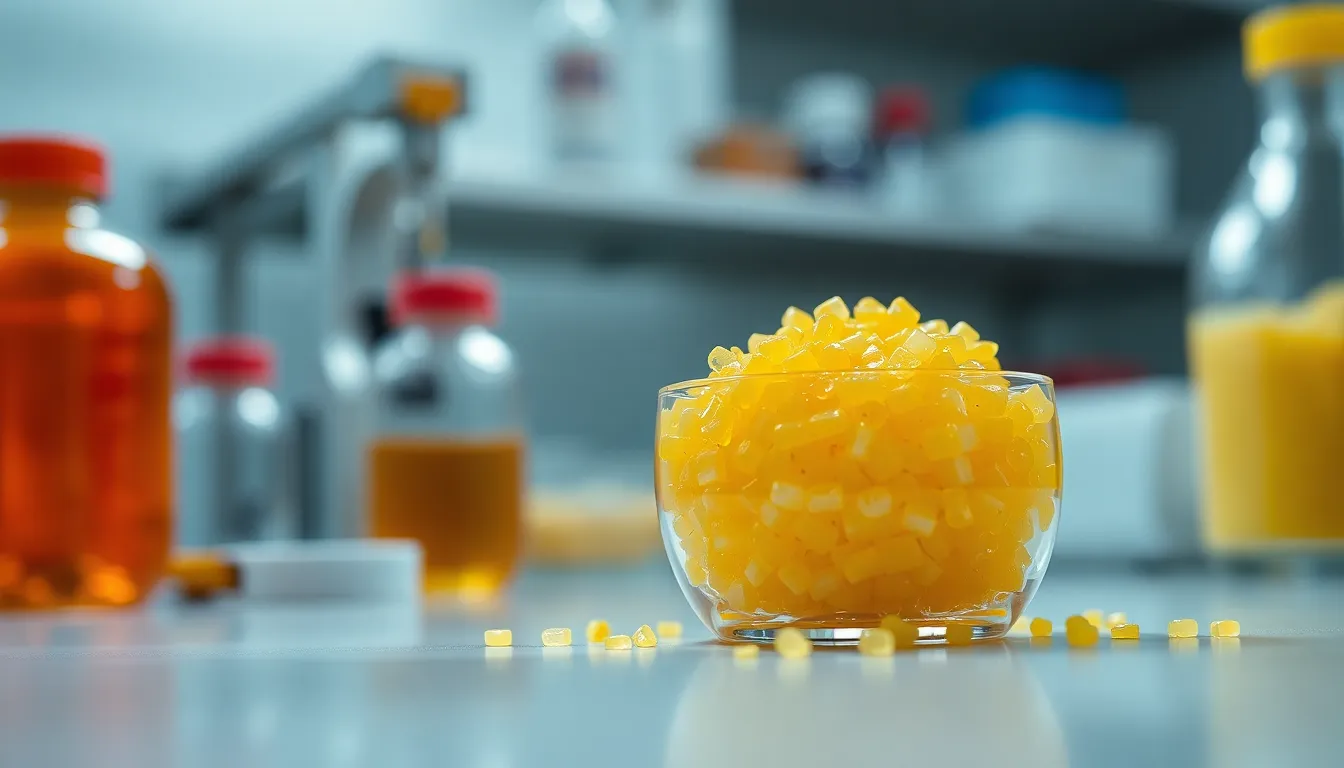
High Fructose Corn Syrup
Quick Verdict
High fructose corn syrup (HFCS) is a sweetener that has become a staple in modern diets, lurking in everything from sodas to sauces.
A Sweet Tale: The Origins of HFCS
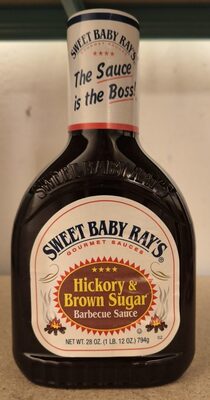
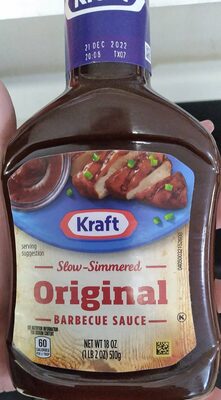
High fructose corn syrup made its debut in the late 20th century, revolutionizing the food industry. Derived from corn starch, enzymes convert glucose into fructose, creating a sweetener that's cheaper and sweeter than regular sugar. Found in products like ketchup and breakfast cereals, HFCS became a household name, often criticized for its role in the obesity epidemic. Imagine enjoying a classic American barbecue with a tangy BBQ sauce, only to discover it’s sweetened with HFCS!
The Good, The Bad, and The Sweet
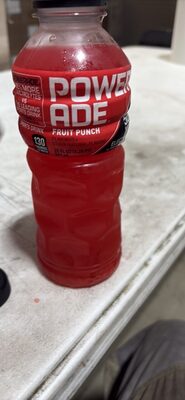
HFCS is often vilified for its health impacts, including potential links to obesity and metabolic disorders. Yet, it’s crucial to remember that moderation is key. In small amounts, HFCS can be part of a balanced diet. Think about that sweet drizzle on your pancakes or the occasional soda on a hot summer day. While it’s not the healthiest choice, being aware of its presence can help you make informed decisions.
Navigating Your Sweet Choices
As consumers become more health-conscious, many are seeking out alternatives to HFCS. Natural sweeteners like honey and agave nectar are gaining popularity as they are perceived as healthier options. However, it’s essential to note that they are still sugars and should be consumed sparingly. The next time you reach for that bottle of sweet sauce or snack, check the ingredients and consider opting for products that use real sugar or natural sweeteners.
Found in 1888 Products
Common Questions
Scientific References
Risk Score
- Agave Nectar
- Honey