
USA-first hubs
Jump to FDA-based guides that help shoppers understand labels and avoid major allergens.
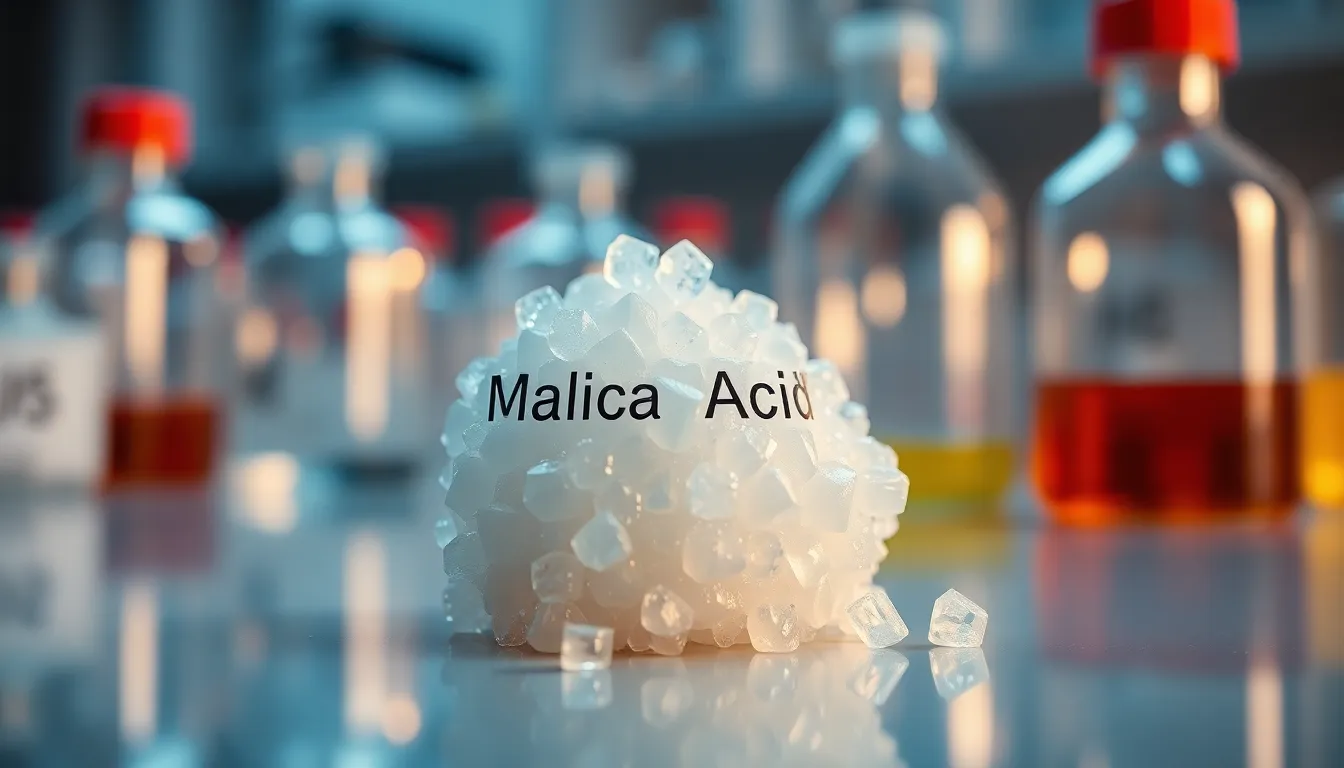
Malic Acid
Quick Verdict
Discover the zesty world of malic acid, a natural compound that not only adds a tart flavor to your favorite foods but also plays a vital role in energy production within our bodies.
The Zesty Player in Food
Malic acid is the secret behind the tangy taste of many fruits, especially apples. When you take a bite into a crisp apple, you’re experiencing the delightful tartness that malic acid brings. This organic compound is not just limited to apples; it can also be found in cherries, grapes, and various berries, enhancing their flavor profile. As a food additive, it appears in candies, soft drinks, and even some wines, making it a versatile ingredient that delights the palate.
Energy Production Ally
Beyond its culinary contributions, malic acid is a powerhouse in our bodies. It plays a crucial role in the Krebs cycle, a series of chemical reactions used by all aerobic organisms to generate energy. By aiding in the conversion of carbohydrates into energy, malic acid helps keep us energized and can even improve exercise performance. Many people turn to malic acid supplements to combat fatigue and enhance endurance, showcasing its importance not just in our diets but in our overall vitality.
Safety and Considerations
Malic acid is generally recognized as safe, with a low risk score of 2, meaning it’s suitable for most individuals, including children. It’s vegan and gluten-free, making it a great choice for various dietary needs. However, moderation is key. While it’s naturally occurring in fruits, excessive consumption through supplements might lead to digestive discomfort. Always consult with a healthcare provider if you’re considering malic acid supplements, especially if you have underlying health conditions.
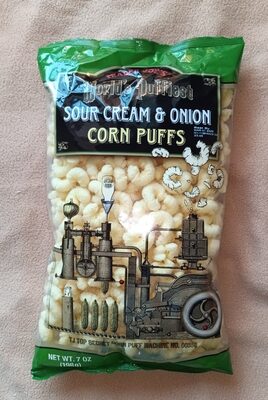
Found in 1249 Products




Common Questions
Scientific References
Risk Score
- Citric Acid
- Tartaric Acid