
USA-first hubs
Jump to FDA-based guides that help shoppers understand labels and avoid major allergens.
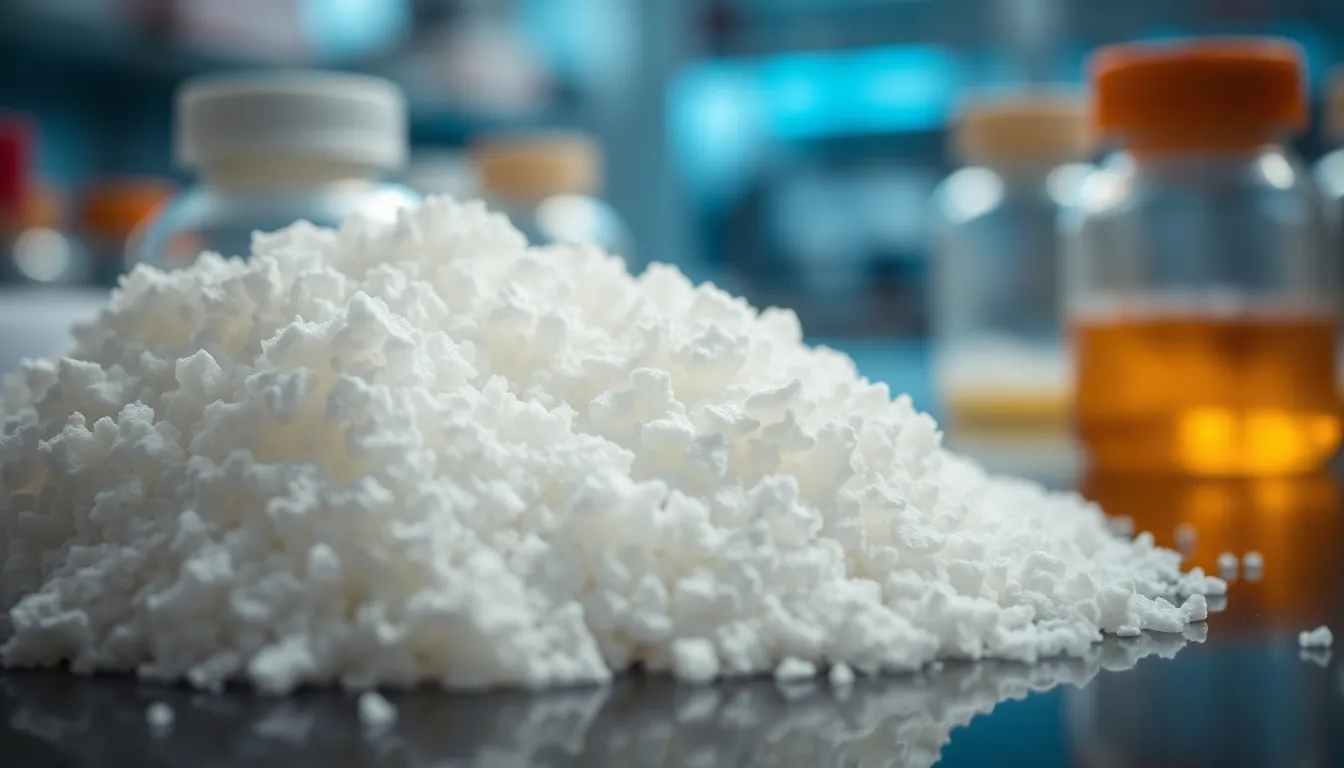
Maltodextrin
Quick Verdict
Maltodextrin: the unsung hero of your pantry, boosting energy without the fuss!
The Journey of Maltodextrin
Maltodextrin begins its life in the heart of corn or wheat fields, where starches from these grains undergo hydrolysis. This simple process transforms them into a white powder, reminiscent of sugar but with a much different role. Unlike its sweet counterparts, maltodextrin often acts as a bulking agent in foods like sauces and snack bars, making it a staple in over 4,000 products across grocery stores.
From Kitchen to Sports Field
In the world of athletics, maltodextrin shines brightly. Athletes often turn to this complex carbohydrate for a quick energy boost during intense workouts. When mixed into energy gels or drinks, it provides a rapid source of calories, helping fuel their performance. Beyond energy, it also thickens sauces and improves the texture of low-calorie foods, making it a versatile ingredient in both the pantry and gym bag.
The Sweet Side of Safety
Despite its synthetic origins, maltodextrin is considered safe for most individuals. Its low glycemic index makes it a preferable choice for those looking to manage blood sugar levels. However, moderation remains key—consuming excessive amounts can lead to digestive discomfort. For those sensitive to gluten, rejoice! Maltodextrin derived from corn is gluten-free, making it suitable for a variety of diets.
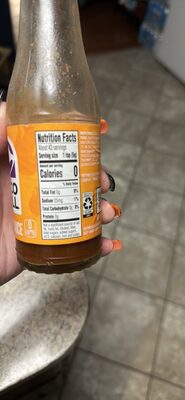
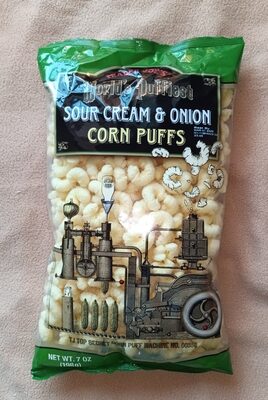
Found in 4144 Products




Common Questions
Scientific References
Risk Score
- Dextrose
- Tapioca Starch