
USA-first hubs
Jump to FDA-based guides that help shoppers understand labels and avoid major allergens.

Milkfat
Quick Verdict
Milkfat, the creamy delight derived from dairy, adds richness to our favorite foods while also offering essential nutrients.
The Creamy Essence of Milkfat
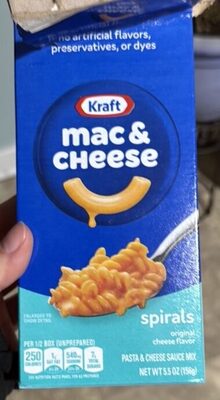
Milkfat is the luscious component of dairy products, primarily found in butter, cheese, and whole milk. Known for its rich flavor, it’s essential for creating creamy textures in sauces and desserts. Imagine a warm bowl of macaroni and cheese, where the milkfat envelops each pasta piece, transforming a simple dish into a comforting experience. With its origins rooted in the milk of cows, goats, and sheep, milkfat is a staple in kitchens around the world, celebrated for both its taste and nutritional value.
Nutritional Benefits and Culinary Uses
Beyond flavor, milkfat is a source of essential fatty acids and fat-soluble vitamins like A, D, E, and K. These nutrients play crucial roles in bodily functions, from supporting vision to enhancing skin health. In culinary applications, milkfat is a versatile ingredient; it can be whipped into airy frosting, blended into creamy soups, or simply spread atop warm bread. Its ability to enhance the mouthfeel of food makes it a favorite among chefs and home cooks alike.
The Controversy of Consumption
Despite its deliciousness, milkfat has been scrutinized due to its saturated fat content, which some studies associate with heart disease. However, recent research suggests that moderate consumption may not pose significant health risks. The key lies in balance and moderation. Opt for whole dairy products in moderation to enjoy the benefits of milkfat while maintaining a healthy diet. As the debate continues, many health enthusiasts advocate for a return to whole foods, emphasizing the importance of natural sources like milkfat.
Found in 528 Products



Common Questions
Scientific References
Risk Score
- Coconut Oil
- Olive Oil