
USA-first hubs
Jump to FDA-based guides that help shoppers understand labels and avoid major allergens.
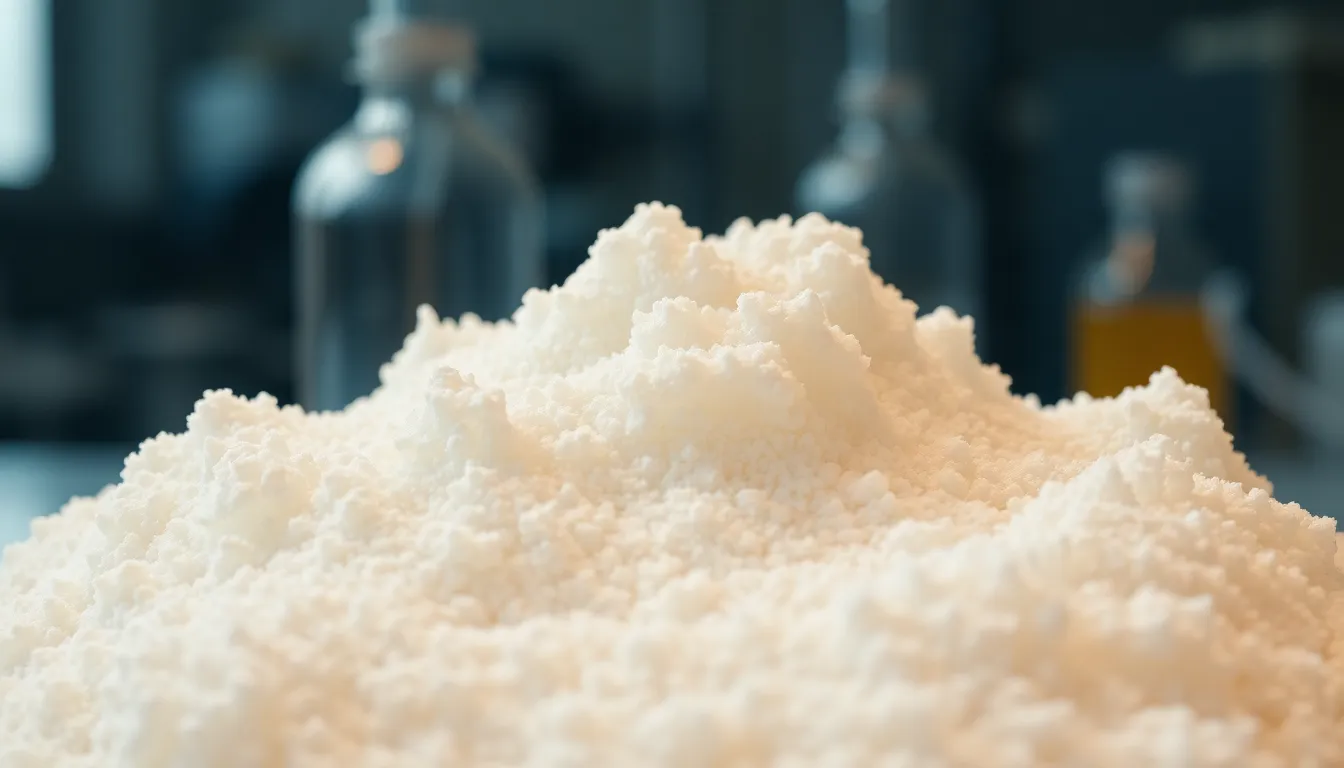
Modified Food Starch
Quick Verdict
Modified food starch is the culinary magician behind your favorite creamy textures and stable sauces, quietly enhancing your meals.
The Magic of Modification
Imagine a world where your favorite soups and sauces are smooth and velvety without any lumps. Enter modified food starch, a versatile ingredient derived from natural sources like corn, potatoes, and tapioca. This starch undergoes a transformation process, enhancing its thickening power and stability in various culinary applications. Whether it’s a creamy pasta sauce or a luscious fruit filling, modified food starch plays a crucial role in ensuring consistency and texture, making your meals not just palatable but delightful.
From Kitchen to Shelf
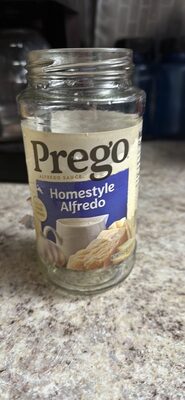
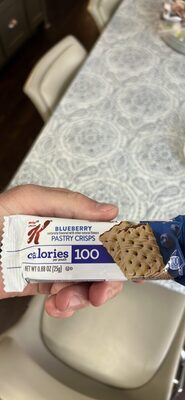
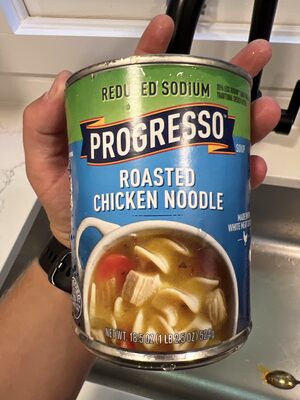
Modified food starch isn’t just a kitchen staple; it’s a common ingredient in over 1561 products found on grocery shelves. From salad dressings to frozen meals, this food additive ensures that products maintain their intended texture and appearance. It acts as a stabilizer, preventing separation in products like mayonnaise and ensuring that soups and gravies are thick and satisfying. With its origins in real food sources, modified food starch exemplifies how science can enhance everyday cooking and food production.
Safety in Your Plate
Despite its modified nature, food starch is deemed safe for consumption by regulatory bodies around the world. It’s vegan, gluten-free, and generally safe for children, making it an inclusive ingredient for diverse diets. While some individuals may prefer alternatives like arrowroot powder or xanthan gum for their own dietary choices, modified food starch remains a reliable option for many. Its low risk score of 2 indicates that it poses minimal health concerns, allowing you to enjoy your meals with peace of mind.
Found in 1561 Products

Common Questions
Scientific References
Risk Score
- Arrowroot Powder
- Xanthan Gum