
USA-first hubs
Jump to FDA-based guides that help shoppers understand labels and avoid major allergens.

Phosphoric Acid
Quick Verdict
Phosphoric acid wears a quiet badge in the pantry of modern foods: a precise acidity regulator that sharpens flavor, steadies color, and extends shelf life—often behind the tang of your favorite cola, with real-food phosphorus keeping a parallel, nourishing note.
Fizz Factor: The Sour Side of Soda Seduction
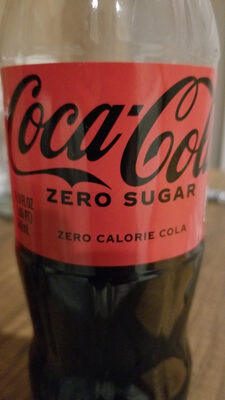
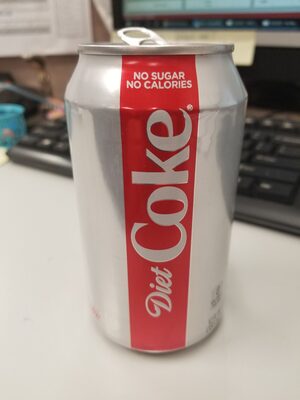
In the split-second between sweetness and bite, phosphoric acid shows up as a clear, industrially derived liquid. It’s the backstage pass that makes a soda feel bright and tart without shouting. It lowers pH, sharpens flavors, and helps beverages stay stable on a crowded shelf. The tale feels modern and algorithmic, born in labs and reactors rather than kitchens, yet it touches every sip. REAL FOOD SOURCES of phosphorus—dairy milk, cheese, yogurt, eggs, beans, lentils, nuts, and lean meats—remind us that balance comes from whole foods as well as engineered acids. Used with care, phosphoric acid is a regulator that supports flavor and safety, not a villain in your glass.
From Rock to Regulator: The Chemistry Behind the Kick
Picture a factory gleaming with stainless steel and careful timing. Phosphoric acid is born when phosphate rock meets reagents and is refined into a clear acid that can lower pH and modulate taste. It acts as an acidity regulator, preventing dull flavors and extending shelf life, while also stabilizing color and texture in processed foods. In real life, you’ll find it in colas, baked goods, dairy desserts, and canned vegetables. The power sits in the balance: enough acid to sharpen the bite, but not so much that teeth or digestion protest. The lesson is moderation and mindful choice, especially for frequent consumers of highly acidic products.
Real Food Substitutes and Label Literacy
Labels often hide the chemistry behind the label. Phosphoric acid appears as acidity regulator in many processed foods and beverages. If you want fewer additives, choose alternatives like citrus-based acids (citric, malic), or simply favor whole foods that carry natural phosphorus: yogurt, cheese, chicken, fish, beans, lentils, seeds, and whole grains. Real cooking can deliver tang with yogurt dressings, vinegars, or a squeeze of lemon, offering similar brightness without relying on phosphoric acid. When you do encounter it on a label, use it as a cue to balance your plate with real foods—focusing on variety, color, and nutrient density. Moderation and evidence-based choices keep the science on your side.
Found in 531 Products




Common Questions
Risk Score
- Citric acid
- Malic acid
- Acetic acid