
USA-first hubs
Jump to FDA-based guides that help shoppers understand labels and avoid major allergens.
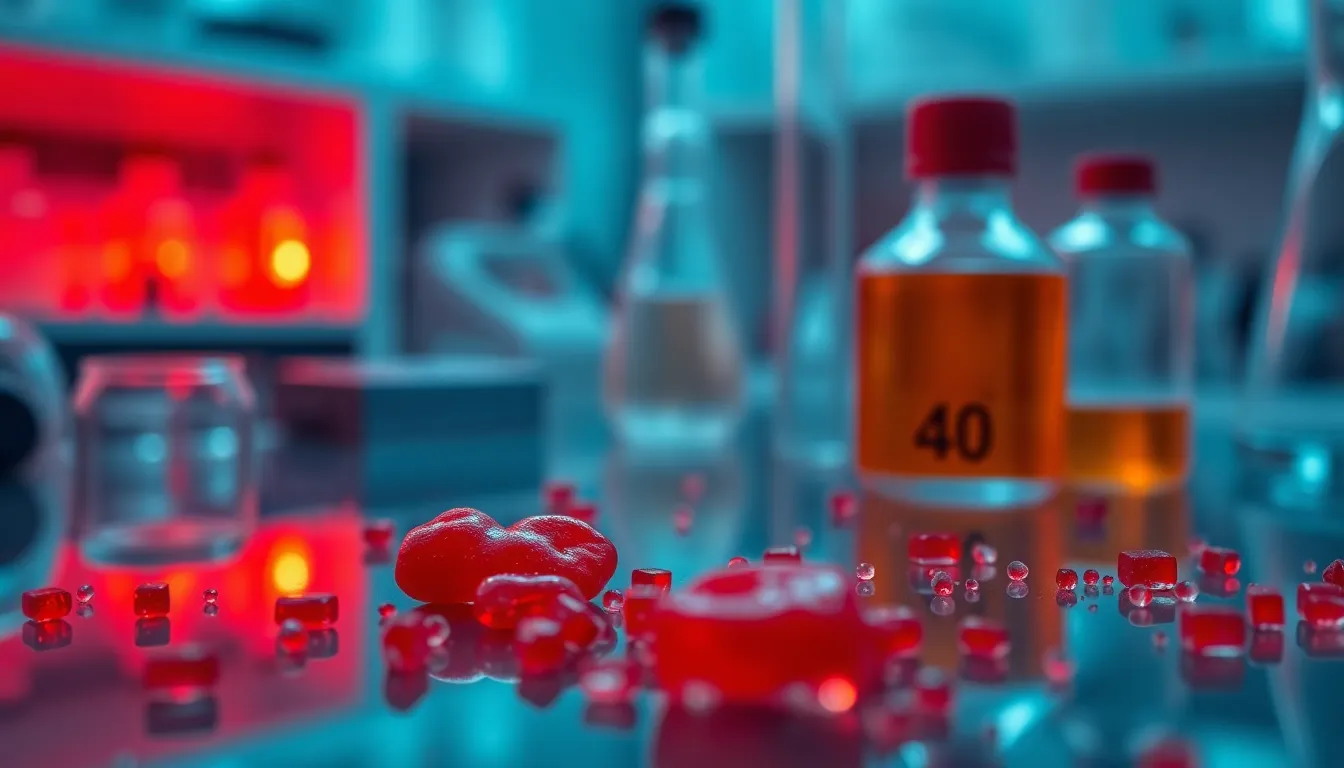
Red 40
Quick Verdict
Red 40, a vibrant hue found in numerous products, is both a feast for the eyes and a topic of debate.
The Colorful History of Red 40
Red 40, known scientifically as Allura Red AC, has a history that dates back to its introduction in the 1970s. Originally derived from coal tar, this synthetic dye quickly became a staple in the food industry. From vibrant candies to bright beverages, its eye-catching hue enhances the visual appeal of countless products. Interestingly, natural sources like beets and pomegranates can also impart red shades, but Red 40’s stability and cost-effectiveness have made it a go-to choice for manufacturers worldwide.
Where You’ll Find Red 40
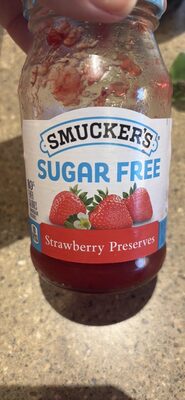
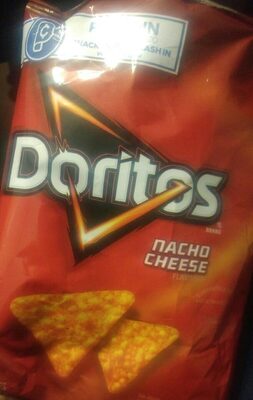
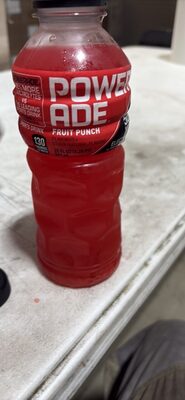
If you’ve ever enjoyed a strawberry-flavored drink or indulged in a bag of colorful candies, you’ve likely encountered Red 40. This dye is prevalent in over 1,520 products, including popular brands of snacks, sodas, and even some yogurts. While it gives foods a delightful pop of color, it’s essential to read labels carefully. Natural alternatives, like beet juice, are gaining traction, appealing to those seeking cleaner ingredients without sacrificing vibrancy.
The Debate Around Red 40
Despite its widespread use, Red 40 has sparked discussions regarding its safety. Some studies suggest potential links to hyperactivity in children, leading certain parents to limit their intake. Regulatory bodies, however, deem it safe when consumed within established limits. As consumers become more health-conscious, the food industry is responding by exploring natural alternatives. While Red 40 remains a common sight on shelves, the conversation continues on how to balance food aesthetics with health considerations.
Found in 1520 Products



Common Questions
Scientific References
Risk Score
- Beet Juice
- Paprika Extract