
USA-first hubs
Jump to FDA-based guides that help shoppers understand labels and avoid major allergens.
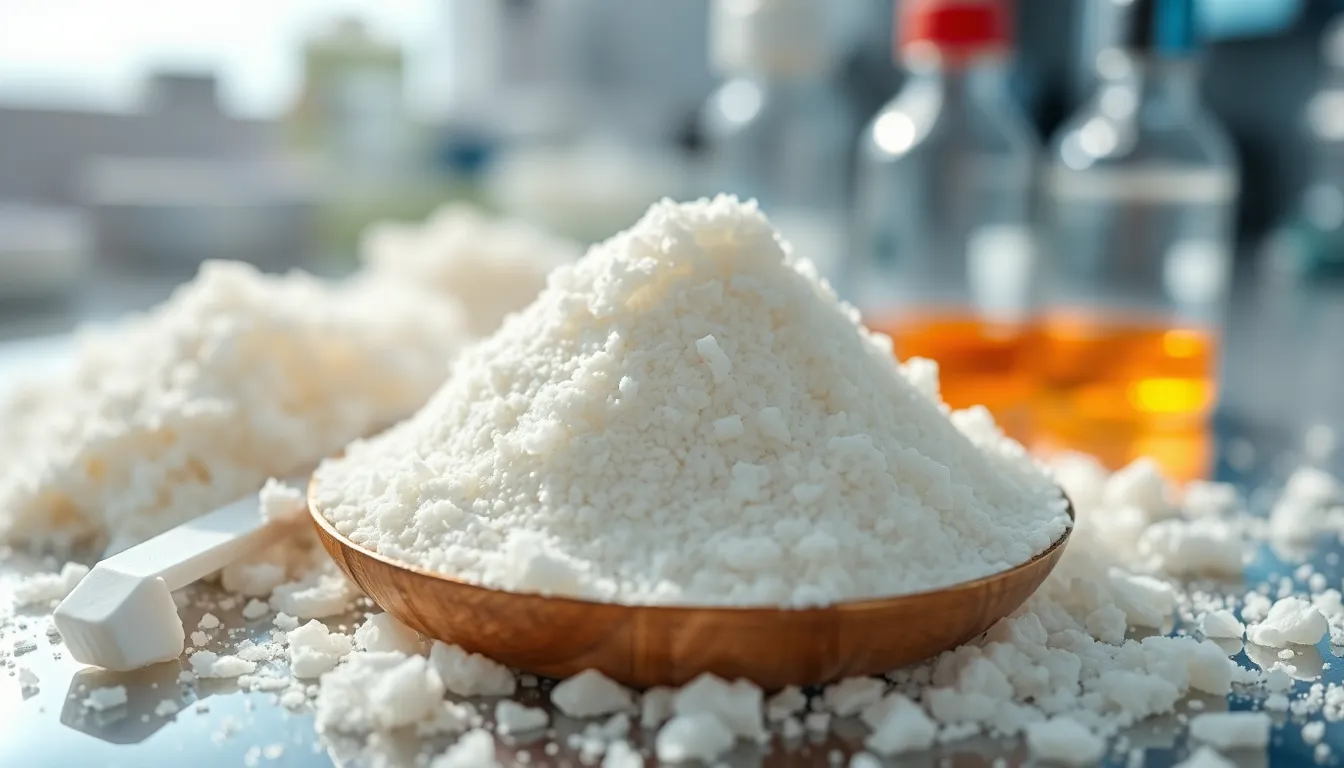
Rice Starch
Quick Verdict
From field to ladle, rice starch is the quiet hero that adds body to sauces, soups, and desserts—without stealing the flavor of real foods.
From Field to Spoon: The Rice Starch Odyssey
On a sunlit hillside of rice fields, a quiet transformation happens before a pot meets the stove. Rice starch begins as tiny granules inside polished kernels, and through gentle milling and washing, those granules loosen into a silky slurry. When cooked in water or dairy, they swell and thicken, releasing no flavor of their own but making soups and sauces feel lush. It’s a reminder that not all richness comes from fat—thickening can come from simple starch. Real food sources prove this power in everyday kitchens: mashed potatoes, corn kernels, cassava’s tapioca, or arrowroot. Each of these starches can alter texture, but rice starch does so with a pale, forgiving hand—subtle, dependable, and family-friendly.
Silky Texture, Gentle Power: How It Works in Real Foods
Outside the pantry, the kitchen becomes a workshop of texture. Rice starch behaves like a patient artist: heat activates its granules, they swell, align, and trap water, yielding a glossy, creamy body without clouding flavors. In dairy sauces, gravies, and gluten-free baking, a small amount goes a long way. The beauty lies in balance: too much can glue a sauce, too little can leave it thin. Real food sources offer a spectrum of thickening options: corn starch for quick gels, potato starch for crispness, arrowroot for luster, tapioca for chew. In home recipes, rice starch shows up as the quiet hero, masking no flavor yet lifting the entire plate.
Safety, Sourcing & Substitutes
Rice starch is a natural derivative of rice, typically refined to a pure starch that’s gluten-free and vegan. It suits children’s meals and everyday dishes without triggering common allergies. When choosing products, look for plain rice starch or rice flour labeled as starch, and be mindful of blends that add gluten or unwanted additives. Real-world use suggests starting small: dissolve in cold water, then whisk into hot liquids to prevent clumping. If you want to thicken dairy-free soups or puddings, rice starch can replace cornstarch with a silkier mouthfeel. Sourcing from responsible mills helps keep this gentle thickener accessible and sustainable.
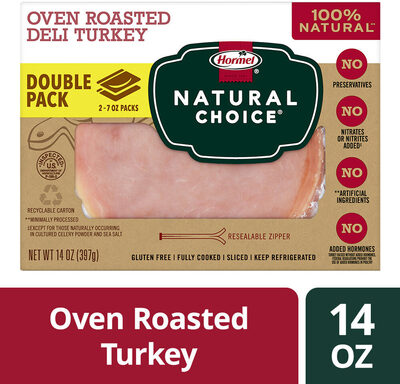
Found in 481 Products
Common Questions
Risk Score
- Corn starch
- Potato starch
- Tapioca starch