
USA-first hubs
Jump to FDA-based guides that help shoppers understand labels and avoid major allergens.

Sodium Acid Pyrophosphate
Quick Verdict
Sodium acid pyrophosphate: a silent hero in your favorite baked goods and processed foods.
The Leavening Luminary
Imagine biting into a fluffy pancake or a light soufflé. Sodium acid pyrophosphate (SAPP) is often the unsung hero lurking in the background, helping these delights rise to perfection. Found commonly in baking powders, it activates the leavening process, ensuring your baked goods achieve that airy texture we all crave. Whether it's a homemade cake or your favorite store-bought snack, this ingredient plays a crucial role in the kitchen.
From Nature to Nurture
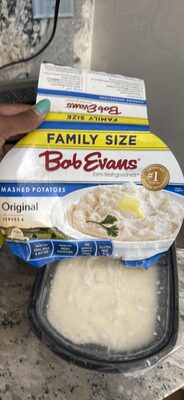
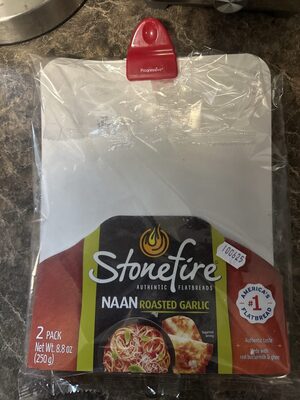
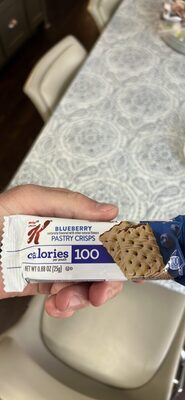
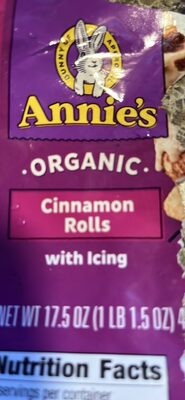
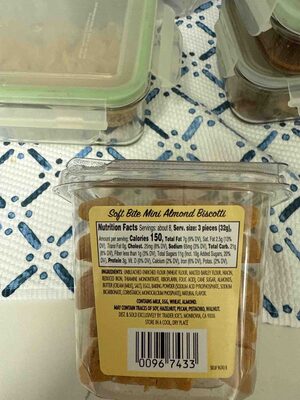
While SAPP is primarily synthesized in labs, it can be linked back to natural sources of phosphate, such as animal bones or guano. However, in our modern food landscape, it’s more about the convenience of synthetic production. You’ll find this versatile additive in products like processed cheese, where it helps maintain texture and stability. Its presence in over 1261 products showcases its widespread utility in the food industry.
Safety First: What You Need to Know
With a low risk score of 2, sodium acid pyrophosphate is deemed safe for consumption by regulatory bodies in the USA, EU, Australia, and Japan. Its approval means you can enjoy your favorite foods without worry. However, moderation is key, as excessive intake can lead to digestive discomfort. Always check labels, especially if you're mindful of additives in your diet.
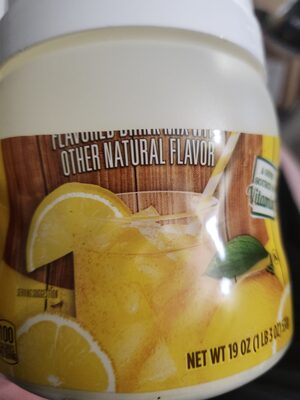
Found in 1261 Products
Common Questions
Scientific References
Risk Score
- Baking Powder
- Cream of Tartar