
USA-first hubs
Jump to FDA-based guides that help shoppers understand labels and avoid major allergens.
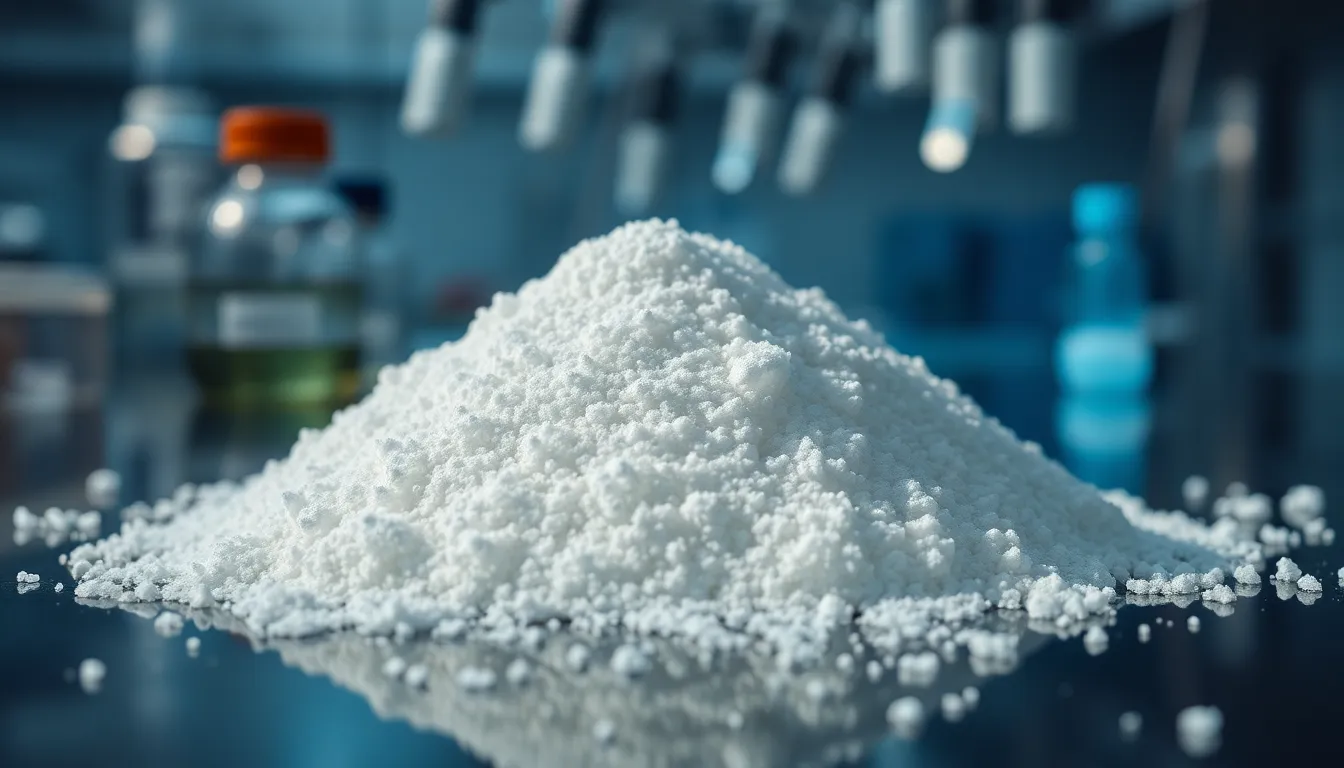
Sodium Aluminum Phosphate
Quick Verdict
A backstage leavening star in the processed-food aisle, sodium aluminum phosphate quietly helps cakes and breads rise, while inviting readers to weigh safety, dosage, and the truth about real-food sources.
The Rise of SALP: A Quiet Leavener
On a rainy afternoon, a home cook opens a box of cake mix and wonders what keeps the batter light. The answer isn't a secret family recipe but a small molecule called sodium aluminum phosphate. In processed foods, SALP acts as a leavening acid: it reacts with baking soda to release carbon dioxide, puffing the batter into tender, airy crumbs. It’s a backstage player in more than 500 products—from breads and pastries to snack cakes—chosen by manufacturers for reliable rise and longer shelf life. Yet our plates also offer real sources of phosphate: yogurt, milk, eggs, beans, lentils, oats, and leafy greens provide natural phosphates our bodies use for energy and structure. The tension between real foods and engineered leaveners sits at the heart of SALP’s everyday story.
From Real Foods to Real Choices: Where It Shows Up
To understand SALP’s place at the table, imagine bread rising with flour, water, and yeast. Real foods provide phosphates naturally—dairy in yogurt and milk, eggs that bind, beans, lentils, oats, and leafy greens. When you want to skip aluminum, use aluminum-free baking powder or mix cream of tartar with baking soda. For gluten-free or vegan bakers, try self‑rising blends or yeast instead of SALP. You’ll still get satisfying lift and crumb with these approaches. The takeaway: you can achieve texture and flavor without aluminum salts by leaning on whole foods and mindful substitutes.
Safety Spotlight: Reading Labels and Making Mindful Choices
Safety isn’t a siren, but a steady drumbeat you hear when you scan the ingredients list. Regulators generally permit SALP in typical baking and processing doses, yet some families prefer to limit aluminum exposure. If you’re cooking for little ones, kidney conditions, or those avoiding additives, aim for aluminum-free products or bake from scratch with simple leavening options. Reading labels is the practical skill: look for sodium aluminum phosphate or aluminum-based acids; steer toward ingredients that say 'baking powder (aluminum-free).' You can also diversify recipes: muffins with yogurt or buttermilk, bread with yeast, pancakes with pure baking soda and cream of tartar. The goal is informed choice, not fear, giving your meals a transparent, delicious lift.
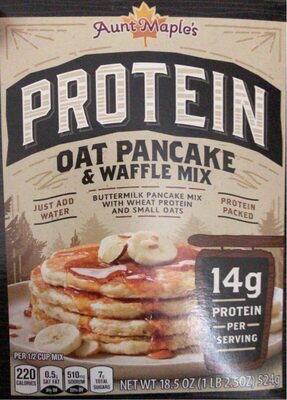
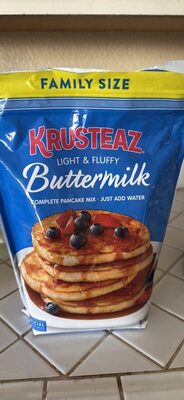
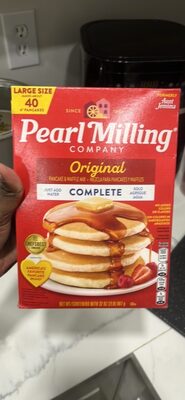
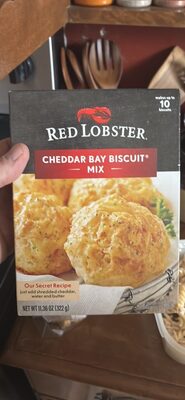
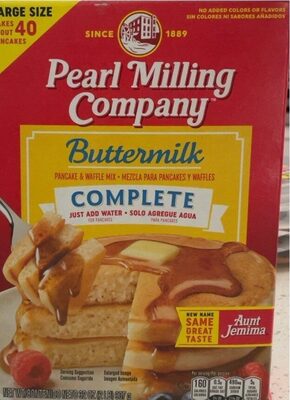
Found in 509 Products

Common Questions
Risk Score
- Aluminum-free baking powder
- Cream of tartar (potassium bitartrate) + baking soda
- Yeast-based leavening for bread